Why Seniors Are More at Risk from Contaminated Water Jugs
Reading time: ~5 minutes | Senior Safety Immune Function Water Hygiene
Three Age-Related Changes That Increase Risk
1. Immunosenescence — The Age-Related Decline in Immune Function
Immunosenescence describes the gradual deterioration of the immune system that occurs with aging. By age 65, both innate immunity (the rapid non-specific response) and adaptive immunity (the targeted, learned response) have measurably declined from peak function. The practical effect: bacteria that a healthy adult's immune system neutralizes before they cause symptoms may produce gastrointestinal illness in an older adult exposed to the same load. The threshold between "no effect" and "unwell" lowers with age.
2. Reduced Stomach Acid — The First Line of Defense Is Weaker
Stomach acid (hydrochloric acid, pH 1.5–3.5) is one of the primary defenses against waterborne pathogens — most bacteria are killed by this acidity before reaching the intestines. Older adults commonly experience reduced gastric acid production (hypochlorhydria), either naturally or as a result of medications (particularly proton pump inhibitors, widely prescribed for acid reflux). Reduced stomach acid means more ingested bacteria survive to reach the intestinal tract, where they can cause illness that the acid barrier would have prevented in a younger person.
3. Altered Gut Microbiome — Reduced Competitive Exclusion
A healthy, diverse gut microbiome performs "competitive exclusion" — existing microorganisms occupy niches and produce compounds that inhibit pathogenic newcomers from establishing. Age-related changes in gut microbiome composition reduce this protective diversity, making successful colonization by introduced pathogens more likely.
The Practical Implication: A Stricter Cleaning Standard
For senior-only households or homes with elderly members, the same bacterially-compromised jug that a 35-year-old adult experiences as "water that tastes slightly off" may cause acute gastrointestinal illness in a 70-year-old. This is not catastrophizing — it's the practical consequence of documented immune changes. The standard response is straightforward:
- Clean every 3–5 days rather than the standard 7-day interval
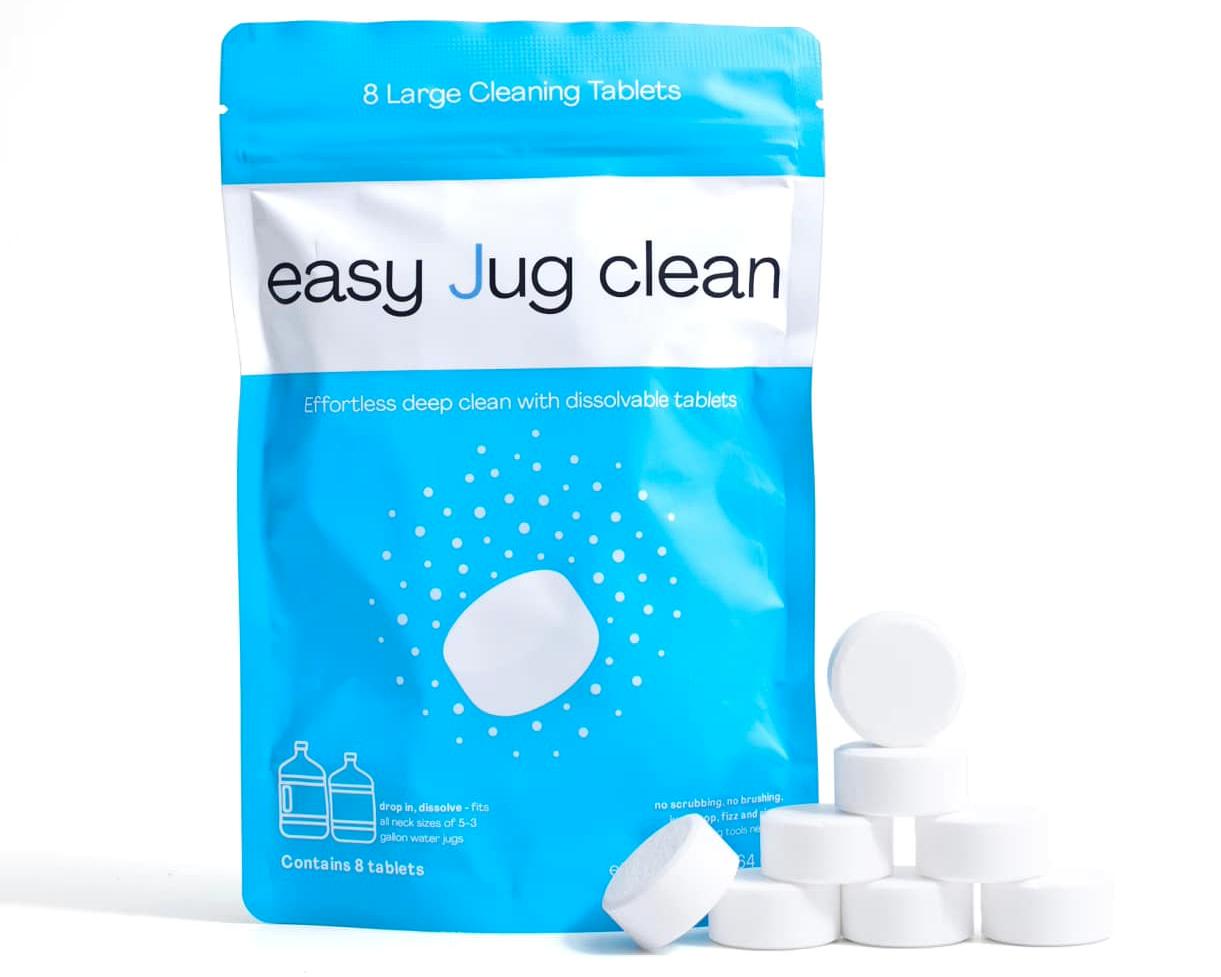
- Use genuine sanitizing chemistry — not vinegar, not dish soap
- Don't skip cleaning cycles — consistency matters more for senior households than for others
See why the tablet method beats manual cleaning on every single measure that matters:


 Order now — get it by