Biofilm vs. Hard Water Scale: Two Problems That Need Two Different Fixes
By the Easy Jug Clean Research Team
Reading time: ~6 minutes | Biofilm Hard Water Scale Two-Problem Framework
The single most important insight for understanding why most jug cleaning routines fail: biofilm and hard water scale are completely different types of contamination requiring completely different chemistry to address. Vinegar can partially attack scale but does nothing meaningful to biofilm. Bleach kills bacteria but does nothing to scale. A brush disturbs both without fully resolving either. The only approach that treats both problems completely — and simultaneously — is one that combines oxidizing chemistry with chelating chemistry in the same treatment.
Side-by-Side: What Makes Each Problem Unique
🦠 Biofilm
- What it is: Living bacterial colonies protected by a polymer matrix (EPS)
- How it feels: Slippery, slimy
- Requires: Oxidizing chemistry to destroy EPS matrix and kill bacteria
- Health risk: Direct — bacteria can cause illness
- Grows in: Warm, moist, dark environments regardless of water hardness
- Removed by vinegar: ❌ No
- Removed by bleach: ⚠️ Partial at household concentration
- Removed by Easy Jug Clean: ✅ Active oxygen destroys EPS matrix
🪨 Hard Water Scale
- What it is: Calcium and magnesium carbonate mineral deposits
- How it feels: Rough, chalky, hard
- Requires: Chelating or acid chemistry to dissolve mineral bonds
- Health risk: Indirect — provides shelter for bacteria, not directly harmful
- Grows in: Hard water areas; rate depends on water mineral content
- Removed by vinegar: ⚠️ Light deposits only, slowly
- Removed by bleach: ❌ No — bleach has no descaling action
- Removed by Easy Jug Clean: ✅ Chelating agents dissolve deposits
Why Single-Solution Approaches Always Leave Half the Problem
| Cleaning Method | Kills Biofilm? | Removes Scale? | Both Problems Solved? |
|---|---|---|---|
| Vinegar soak | ❌ No | ⚠️ Partially | ❌ Only partial scale |
| Bleach solution | ⚠️ Partially | ❌ No | ❌ Only partial bacteria |
| Dish soap | ❌ No | ❌ No | ❌ Neither |
| Bottle brush | ❌ Disturbs only | ❌ Cannot dissolve | ❌ Neither |
| Easy Jug Clean | ✅ Active oxygen destroys matrix | ✅ Chelating agents dissolve | ✅ Both, simultaneously |
How They Interact: The Amplification Effect
Biofilm and scale don't just coexist — they amplify each other. Scale creates rougher surfaces that increase biofilm adhesion energy. Biofilm organic matrix provides nucleation sites for mineral crystallization. Scale encapsulates bacteria, protecting them from sanitizing agents. Treating only one while ignoring the other always leaves the untreated problem intact — and that untreated problem then accelerates the return of the treated one. Complete jug hygiene requires both problems addressed simultaneously.
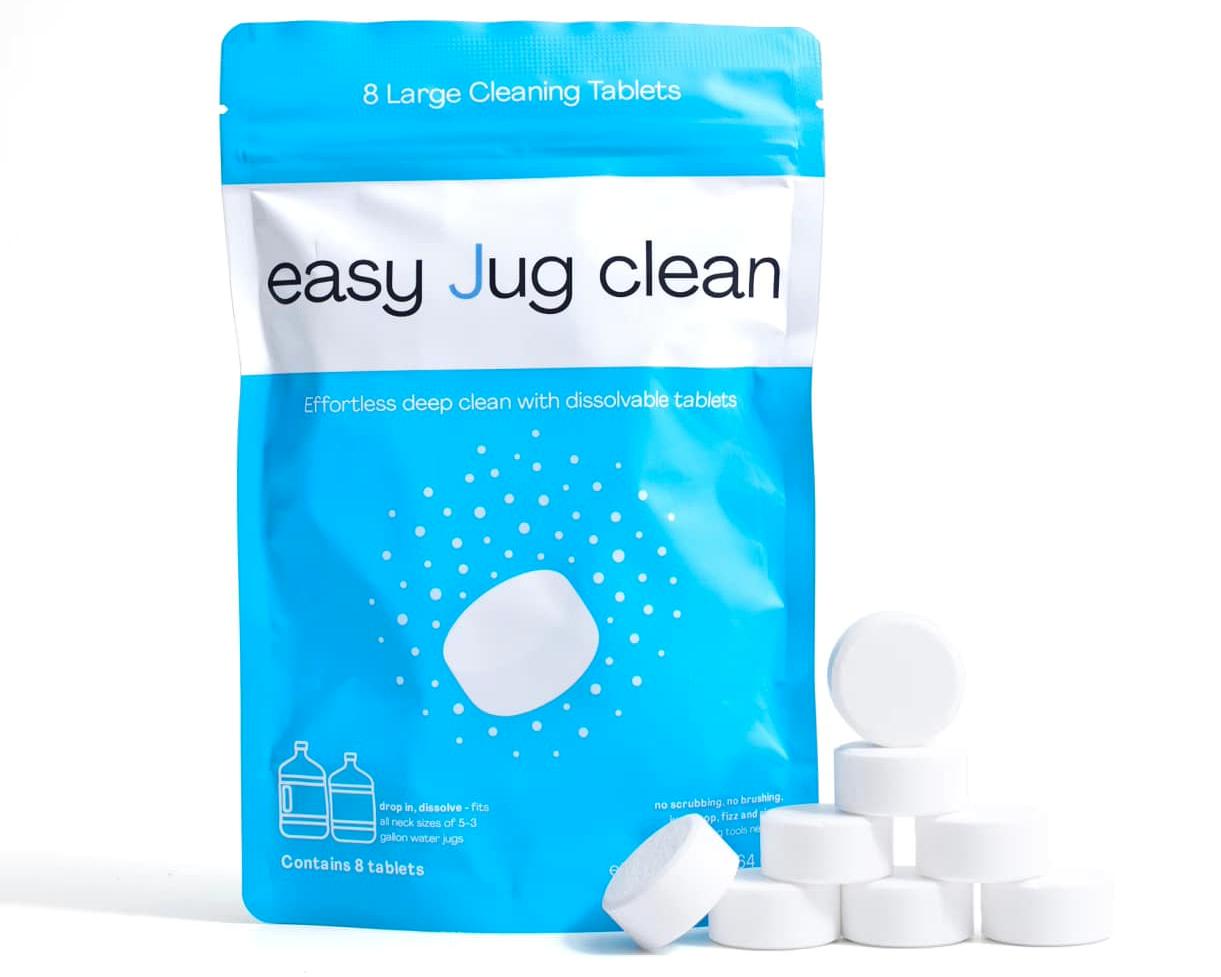
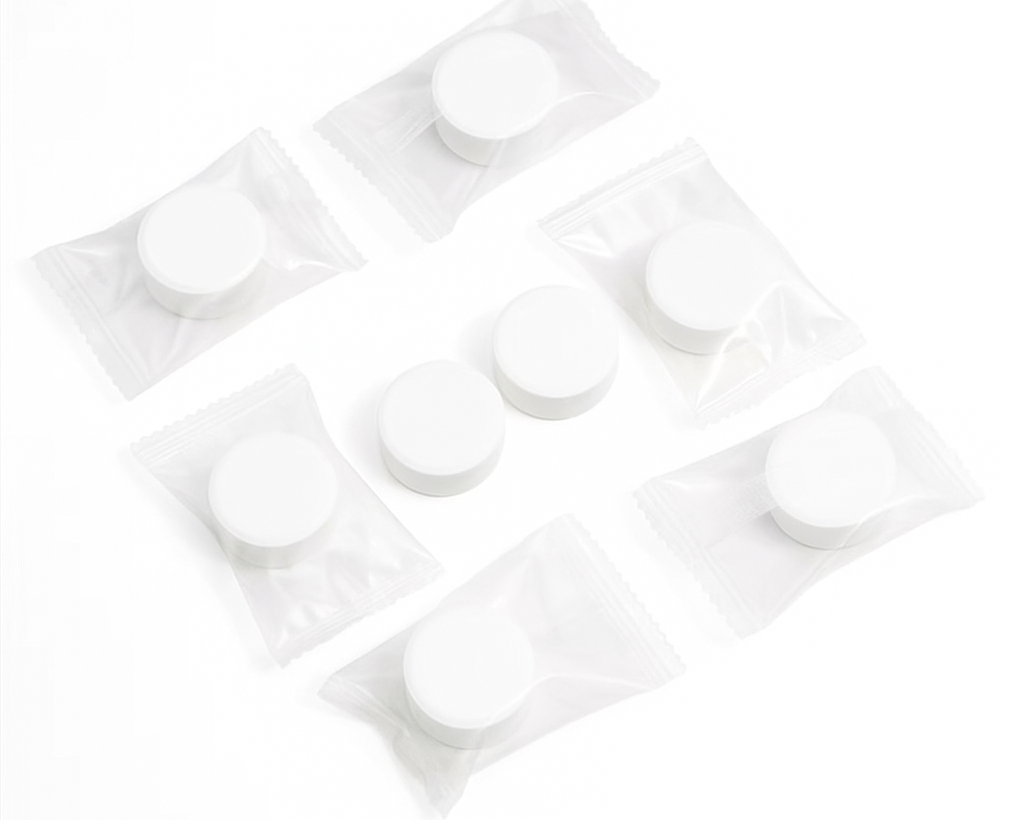
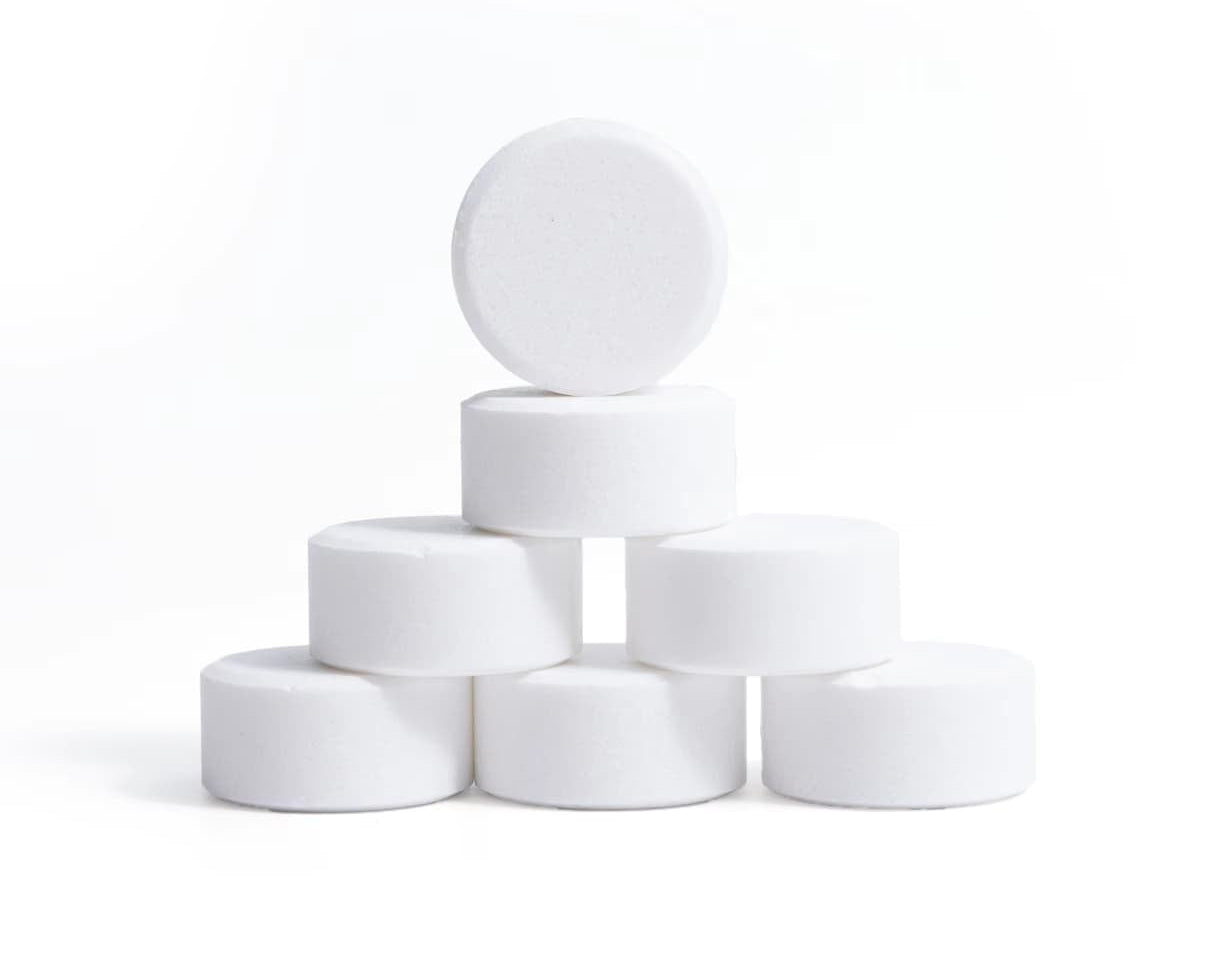
✅ The integrated solution: Easy Jug Clean's multi-system formula was designed precisely around this two-problem reality. Sodium percarbonate handles biofilm. Sodium citrate and sodium gluconate handle scale. Plant-based surfactants lift the disrupted organic matter. All in one tablet, one treatment, 20 minutes. There is no other consumer product that addresses both mechanisms in a single treatment designed for 5 gallon water jugs.
Watch Easy Jug Clean dissolve scale and odor buildup in a single 20-minute treatment:
✅ One Treatment. Two Problems. Twenty Minutes.
Related Reading
📄 Oxidizing Cleaners vs. Surfactants: Which Actually Removes Biofilm?


 Order now — get it by