Insulated Large Water Bottles: Why Double-Walled Doesn't Mean Self-Cleaning
Reading time: ~5 minutes | Insulated Bottles Double-Walled Cleaning Myths
What Insulation Actually Does
Double-walled vacuum insulation maintains the temperature of liquid stored inside by minimizing heat transfer through the container walls. Hot water stays hot. Cold water stays cold. The interior surface of the bottle reflects whatever temperature the liquid is, which means a bottle filled with cold water has a cold interior surface, and a bottle filled with hot water has a hot interior surface.
Insulation does not affect:
- Whether bacteria can attach to the interior wall
- Whether biofilm can form on the surface
- Whether mineral scale accumulates from hard water
- Whether the interior dries fully between uses
- Whether the container is mechanically accessible for cleaning
The cleaning problem is determined by what bacteria do on the interior surface — and bacteria don't care whether the container's outer wall has a vacuum gap.
The Common Misconceptions
"Cold water inside means slower bacterial growth, so I clean less often."
Partially true, but not enough to change the cleaning interval. Bacterial growth slows in cold water — typically by half for every 10°C drop — but doesn't stop. Refrigerator-temperature water bacteria still grow, just over days rather than hours. If your insulated jug holds water for 5–10 days, that's still plenty of time for biofilm establishment.
"The vacuum-sealed wall keeps contaminants out."
The vacuum is between the inner and outer walls of the container — it's a physical barrier within the wall structure, not an environmental seal. The interior is just as open to the surrounding air through the opening as any other water bottle.
"Stainless steel doesn't grow bacteria like plastic does."
Bacteria grow on stainless steel surfaces too. The advantage of stainless is mostly about scratch resistance — biofilm has slightly less surface roughness to anchor to on stainless than on scratched plastic. Smooth, undamaged plastic resists biofilm just as well as smooth stainless. The difference matters most for older, heavily-cleaned containers, not for biofilm initiation.
"My insulated bottle still smells fresh after a week — it must be cleaner."
Smell production from biofilm requires bacterial colonies to mature past a certain density. Cold storage slows the maturation, so insulated bottles often don't develop the obvious smells that warm-storage bottles do — but the biofilm is still present, just less fragrant. Absence of smell is not absence of contamination.
The Cleaning Method for Insulated Large Water Bottles
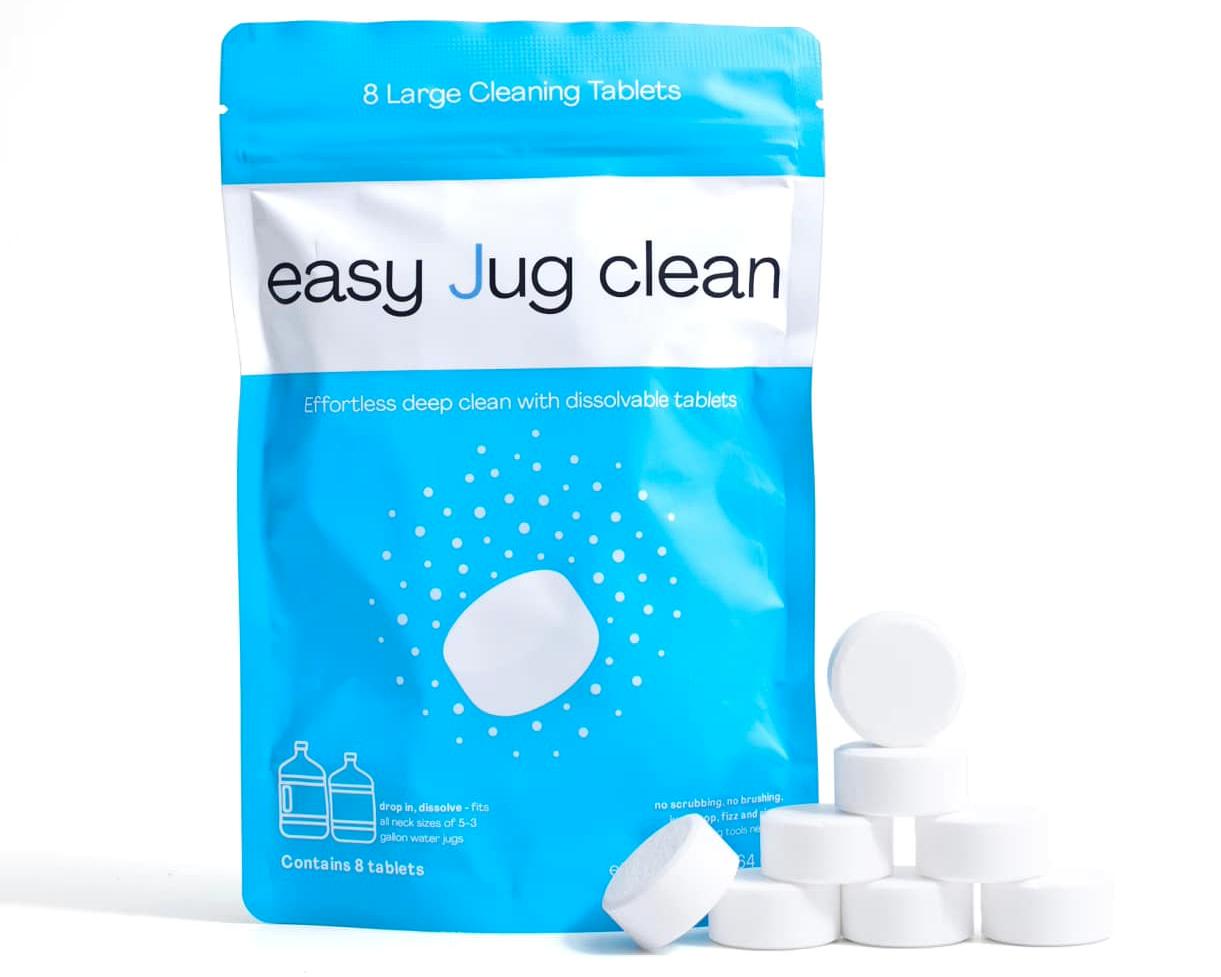
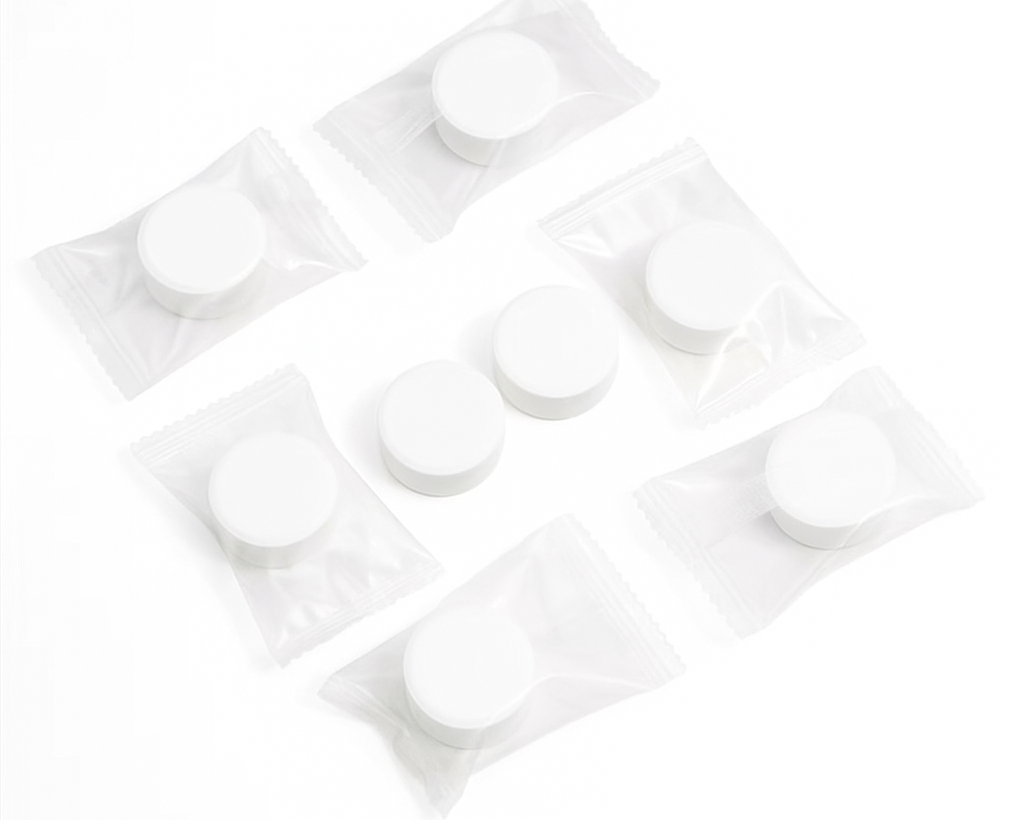
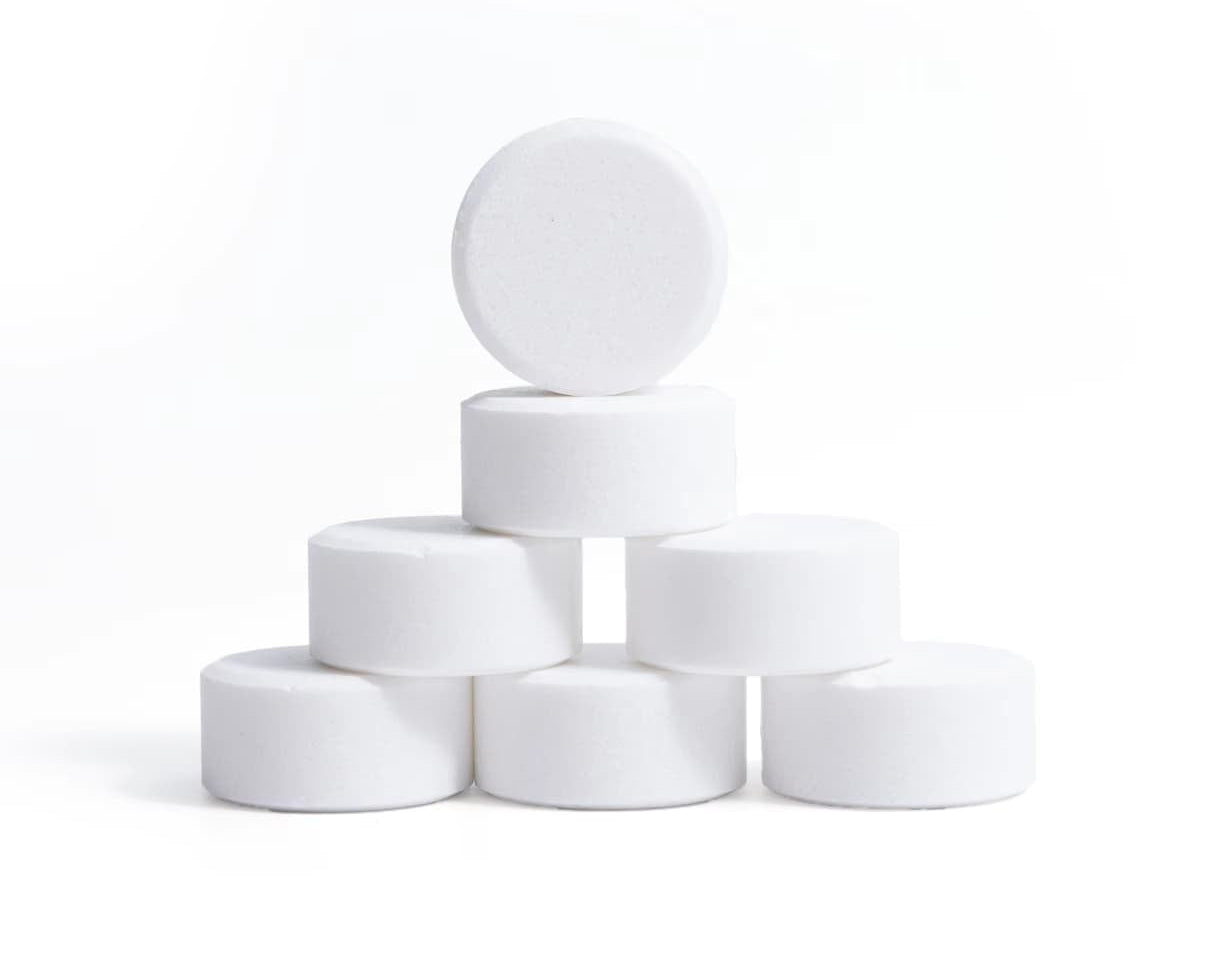
Identical to non-insulated large water bottles. Two Easy Jug Clean tablets in 1.5–2.5 gallons of warm water (35–45°C, since insulated bottles can handle warmer water without external surface temperature concerns). Soak 20–30 minutes. Rinse thoroughly. Air-dry inverted at an angle.
The only adjustment for insulated bottles: be careful not to expose the cap or seal mechanism to extreme heat that could degrade the gasket seals. Warm water is fine; boiling water is unnecessary and may compromise seal longevity over time.
The Insulated Container Comparison
| Cleaning Variable | Insulated Large Bottle | Non-Insulated Large Bottle |
|---|---|---|
| Interior bacterial colonization | Same | Same |
| Biofilm formation rate | Slightly slower (cold) | Standard (room temp) |
| Mineral scale accumulation | Same | Same |
| Mechanical cleaning access | Same — narrow neck | Same — narrow neck |
| Smell development | Slower / less obvious | Faster / more obvious |
| Required cleaning frequency | Per refill / weekly | Per refill / weekly |
| Required cleaning chemistry | Same — active oxygen + chelation | Same — active oxygen + chelation |
✅ Same Cleaning Method, Insulated or Not
Insulation doesn't change the bacterial dynamics. Easy Jug Clean handles all large containers the same way — two tablets, 20 minutes, rinse. Premium container, same cleaning intelligence.
FAQ: Insulated Container Cleaning
Q: Can I use bleach in my insulated stainless steel large bottle since stainless tolerates it?
The stainless tolerates the bleach, but the seal gaskets typically don't tolerate repeated exposure. Bleach degrades silicone and rubber over time, leading to seal failure. Active oxygen tablets are gasket-safe.
Q: My insulated bottle has a wide-mouth opening — does that change the cleaning approach?
If the opening is wider than ~50% of the body diameter, you're in wide-mouth territory and mechanical cleaning becomes feasible alongside tablet treatment. For dispenser-style insulated bottles with narrow openings, tablet treatment is the only fully effective option.
Q: Insulated large water bottles are expensive — does the cleaning method affect their lifespan?
Yes. Bleach-based cleaning shortens the gasket life and can pit stainless steel surfaces over years of repeated exposure. Active oxygen cleaning is non-corrosive and extends the practical lifespan of the container.
What Insulated Bottle Manufacturers Imply vs. What's Actually True
Marketing materials for premium insulated containers often describe features in ways that imply hygiene benefits without explicitly claiming them. "Keeps water fresher" usually means "keeps water cold," but consumers reasonably interpret it as "stays cleaner." "Vacuum-sealed" sounds like an environmental seal, but it describes the wall construction. "Stainless steel interior" is true and useful, but it's not a self-cleaning surface — bacteria establish on stainless just as they do on plastic, given the same dwell time and contamination opportunity.
The premium price of insulated large water bottles buys real benefits — temperature retention, durability, scratch resistance — but doesn't reduce the cleaning workload. If anything, the longer service life of an insulated container means it accumulates more cleaning history over time, which makes consistent cleaning protocol more important rather than less.
The Bottom Line
Insulation is a temperature feature, not a hygiene feature. The double-walled construction that keeps your water cold for a day doesn't change anything about how the interior contaminates. Apply the same cleaning protocol to insulated and non-insulated large water bottles alike — the bacteria don't read the marketing materials.


 Order now — get it by