Why Single-Use Cleaning Tablets Eliminate Cross-Contamination Risk
Cross-ContaminationSingle-UseBottle Brush Bacteria · Reading time: ~7 minutes
The Reusable Tool Cross-Contamination Cycle
🔄 How Contamination Transfers Between Brush and Jug
The Science Behind Brush Contamination
Why Brush Sanitization Doesn't Fully Solve the Problem
Several approaches to reducing brush contamination are commonly recommended: microwave sanitization of wet brushes, dishwasher cleaning, bleach soaking. Each offers partial improvement but not complete resolution:
- Microwave (2 mins, wet brush): Significantly reduces surface bacteria but doesn't reach bacteria embedded in bristle bases or inside hollow handle cavities. Fire hazard risk if any dry spots exist.
- Dishwasher cleaning: Reduces surface contamination but typically doesn't achieve the sustained high temperatures throughout the bristle mass needed for thorough reduction. Incomplete drying afterward recreates optimal bacterial growth conditions.
- Bleach soaking: Effective at reducing contamination, but introduces chlorine residue that the brush then transfers to the next jug it cleans — exchanging one contamination concern for another.
The fundamental issue — a porous, soft-bristled, moist-storage tool that contacts food-grade containers — doesn't resolve regardless of the sanitization approach applied to the brush itself.
The Single-Use Structural Advantage
✅ Tablets Begin Every Treatment From Zero Contamination
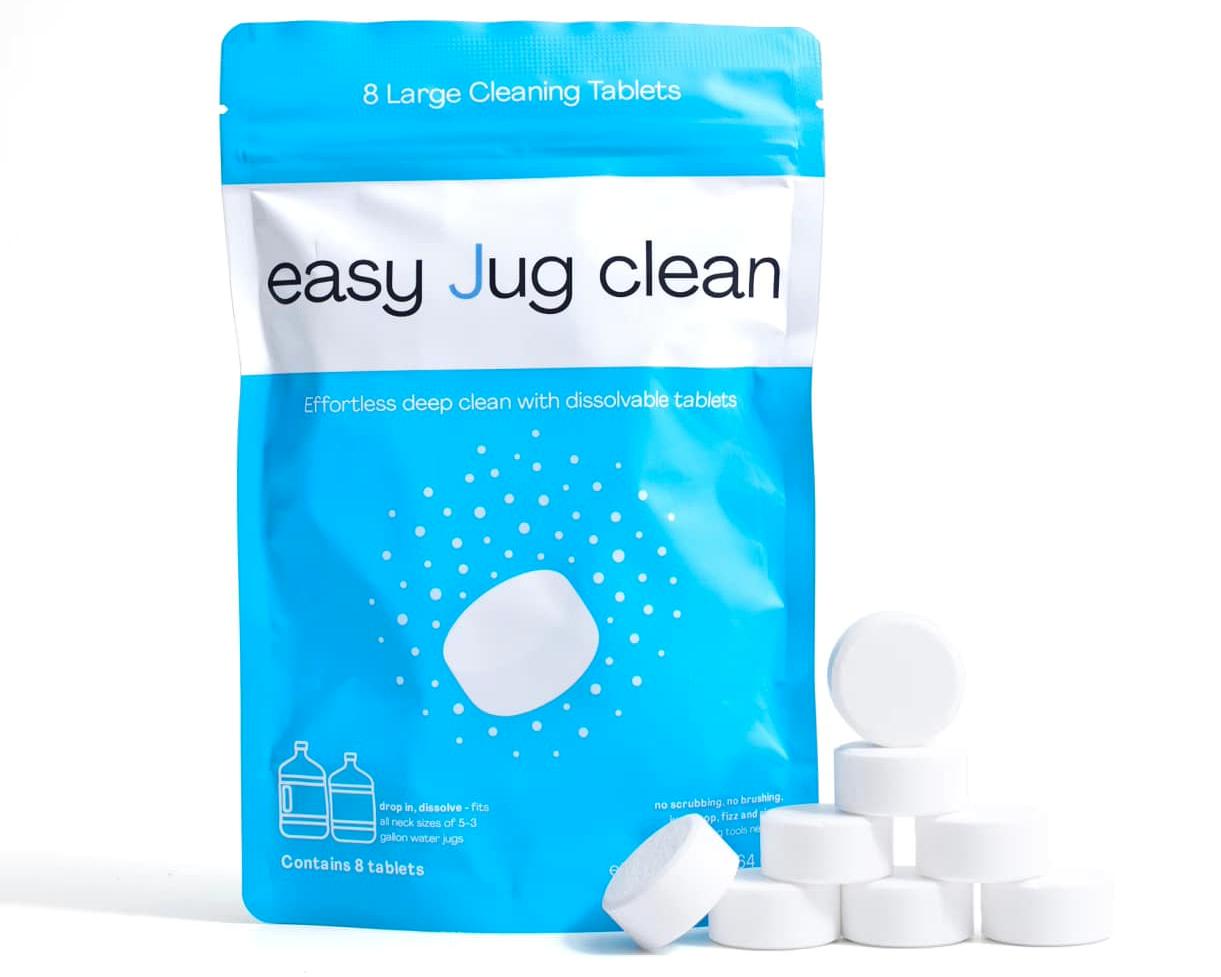
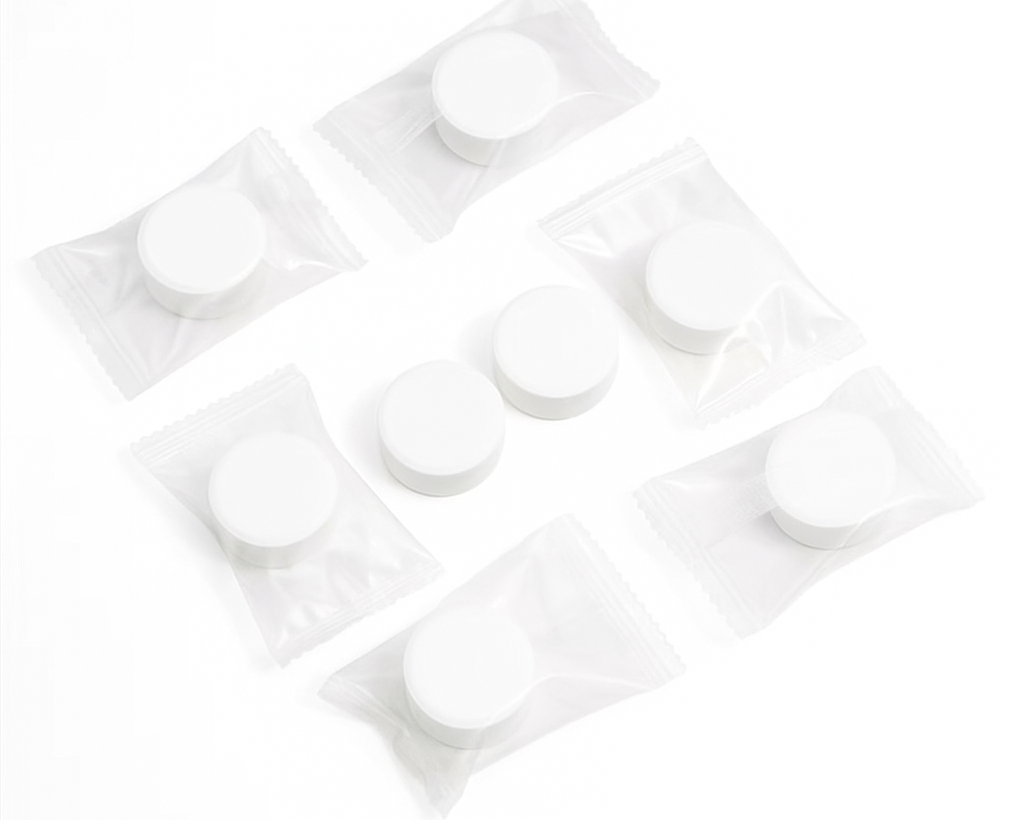
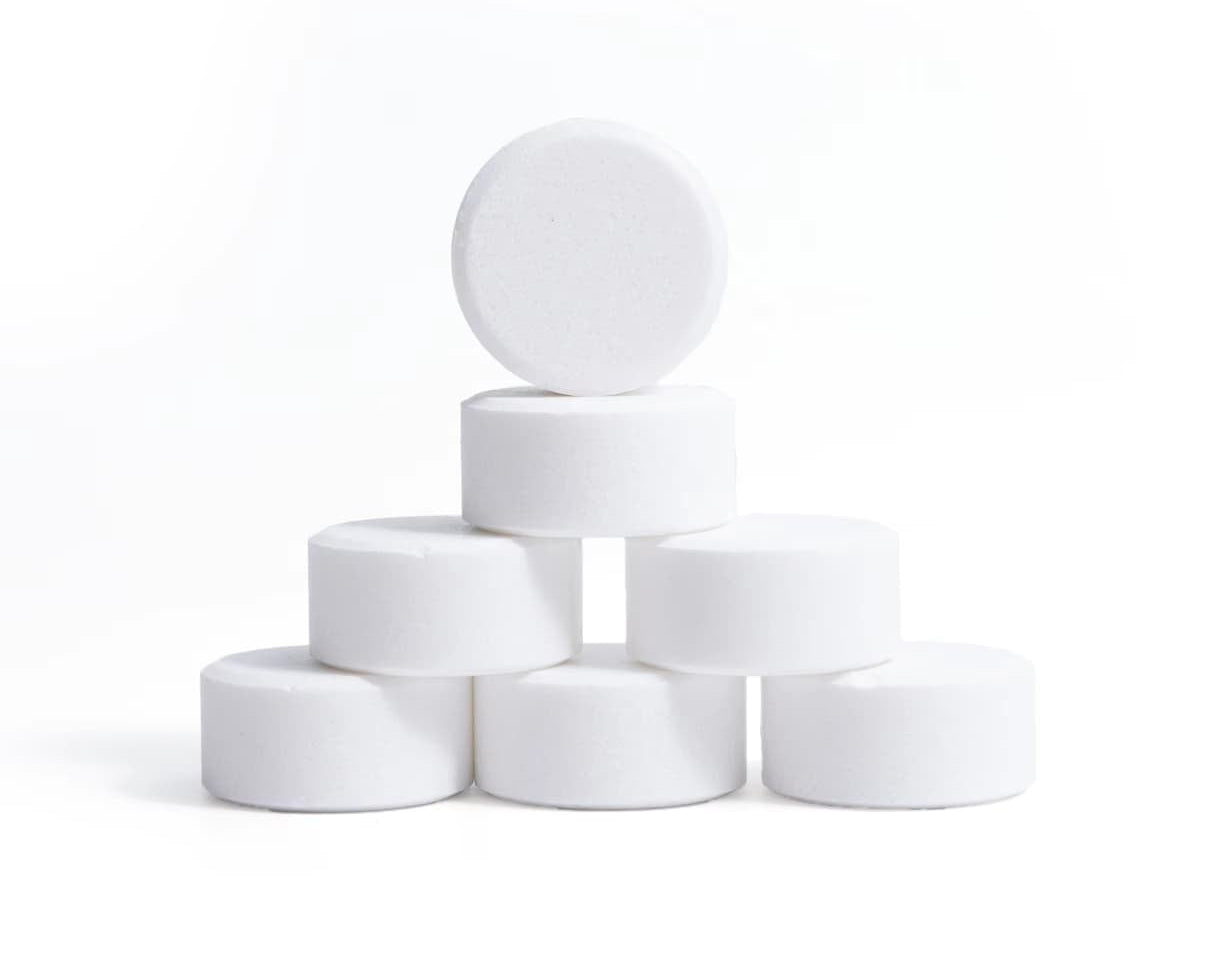
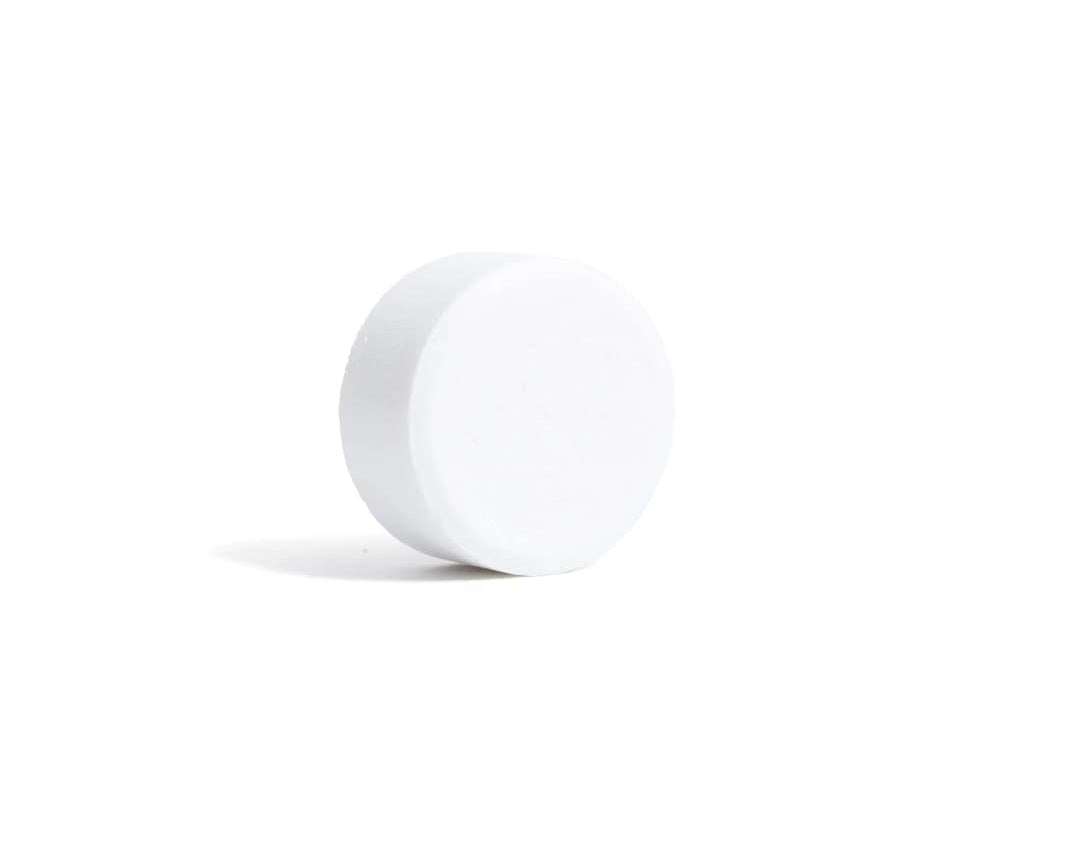
An Easy Jug Clean tablet is manufactured in a sterile dry-powder environment and sealed until use. It has never contacted water, organic material, or any contaminated surface before the moment you drop it into your jug. It carries no contamination history because it has no history. The bacteria-introduction math is: zero bacteria on the tablet + zero bacteria from previous uses = zero cross-contamination from the cleaning tool itself.
And the active oxygen released during dissolution actively destroys bacteria and biofilm — the treatment contributes a large negative contamination number, not even a neutral zero. The net effect is a substantial reduction in jug contamination, without the offsetting contamination input that every reusable brush adds to the equation.
Contamination Comparison Per Cleaning Session
| Cleaning Method | Bacterial Input from Tool | Bacterial Removal from Jug | Net Result |
|---|---|---|---|
| New bottle brush (first use) | Minimal — little accumulated history | Moderate physical disruption | Slightly positive |
| Brush used for 3+ months | HIGH — accumulated bristle colony | Moderate physical disruption | Potentially neutral or negative |
| Easy Jug Clean tablet | Zero — never used before | HIGH — active oxygen destroys biofilm and bacteria | Strongly positive |
Watch the right cleaning approach versus what a brush actually does to your jug:
✅ No Cross-Contamination. No Bacterial History. No Reuse Risk.
Q: How often should I replace my bottle brush if I continue using one?
Food safety guidelines generally recommend replacing kitchen brushes every 1–2 months. By 3 months, contamination loads are typically high enough that the brush is contributing more bacterial contamination to surfaces than it's removing. Given this replacement frequency, a brush costs approximately $12–18 per year plus 45 minutes of actual scrubbing effort — less convenient and less effective than Easy Jug Clean at a comparable annual price.


 Order now — get it by