3-Gallon vs 5-Gallon Water Cooler Jug: Does Size Change the Cleaning Protocol?
Reading time: ~6 minutes | 3-Gallon Jug 5-Gallon Jug Cleaning Protocol
3-Gallon vs 5-Gallon Water Cooler Jug: Does Size Change the Cleaning Protocol?
The Physical Differences Between 3-Gallon and 5-Gallon Jugs
Let's start with what's the same and what's different physically:
- Neck diameter: Identical (or nearly so) on both sizes. You can use the same brush or brush doesn't matter because tablets work without brushing.
- Interior surface area: The 5-gallon jug is larger, but not proportionally larger—it's mostly deeper, not wider.
- Water volume: 3-gallon = 11.4 liters; 5-gallon = 18.9 liters. This is where the meaningful difference lies.
- Weight when full: 3-gallon weighs about 26 pounds; 5-gallon weighs about 40 pounds. This affects handling, not cleaning.
What matters for cleaning? Just one thing: water volume. Everything else is functionally identical.
The Real Difference: Contamination Risk by Size
Here's where size actually matters for cleaning frequency and urgency:
5-Gallon Jugs: Higher Risk in Low-Use Settings
A 5-gallon jug in a low-use environment (a home with 2–3 people, or an office with sporadic use) can sit partially full for days. Stagnant water breeds biofilm faster. If your 5-gallon jug takes 2 weeks to empty and you only clean it between refills, you're asking for heavy bacterial growth. The larger volume means longer contact time with the jug's interior, and that means more aggressive biofilm formation.
Sanitizing a 5-gallon jug in low-use scenarios requires more frequent cleaning—ideally every 7–10 days, or whenever it's refilled.
3-Gallon Jugs: Lower Risk Due to Faster Turnover
A 3-gallon jug empties faster. In a household of 4–5 people or a moderate office (10–15 people), the 3-gallon jug typically gets replaced every 3–5 days. Faster turnover means less stagnation, less biofilm buildup, and lower contamination risk. If your jug is emptying weekly, you're already maintaining a fresher state just through use.
This doesn't mean 3-gallon jugs don't need cleaning—they do. But the contamination pressure is lower, so cleaning can be less frequent (though not less thorough when you do clean).
The Key Insight: Usage Pattern Matters More Than Size
A neglected 3-gallon jug sitting in a home with one person who drinks water infrequently can become as contaminated as a neglected 5-gallon office jug. Size alone doesn't determine contamination risk—use patterns do. However, size does influence those patterns. Larger jugs tend to sit longer in low-use settings, creating the risk window for biofilm.
The Cleaning Protocol: Identical for Both Sizes
Here's the critical point: the water cooler jug cleaning method that actually sanitizes works the same way regardless of whether you're cleaning a 3-gallon or 5-gallon jug.
The Standard Protocol
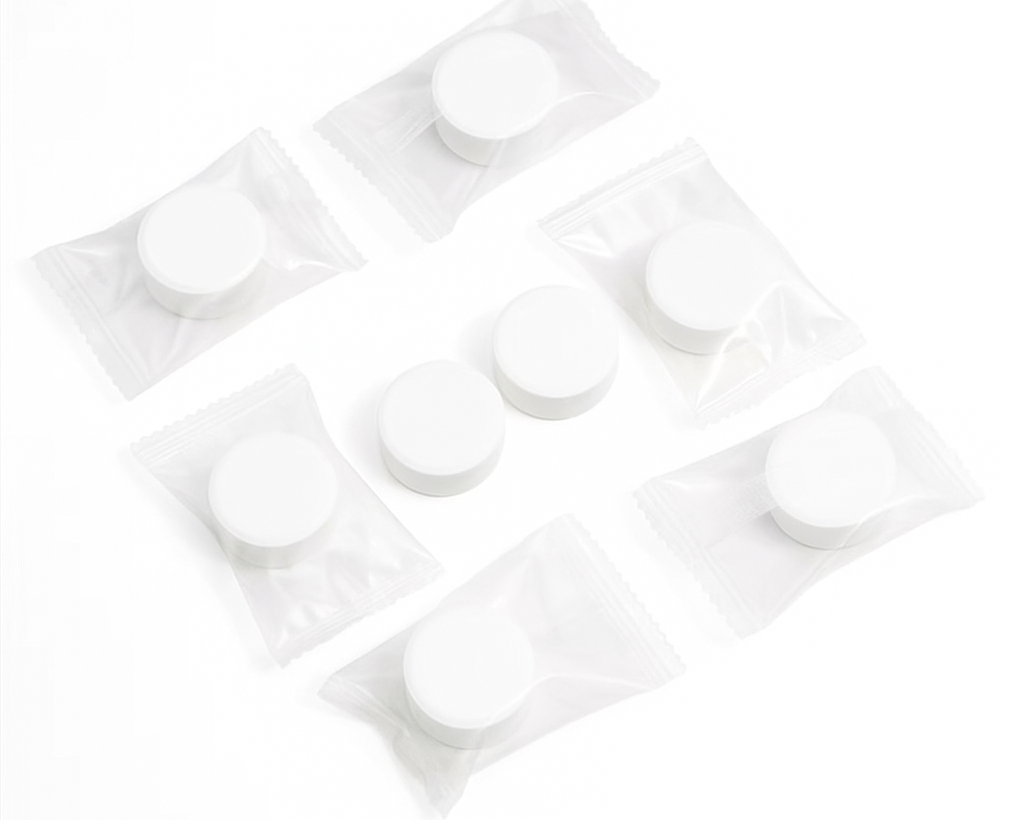
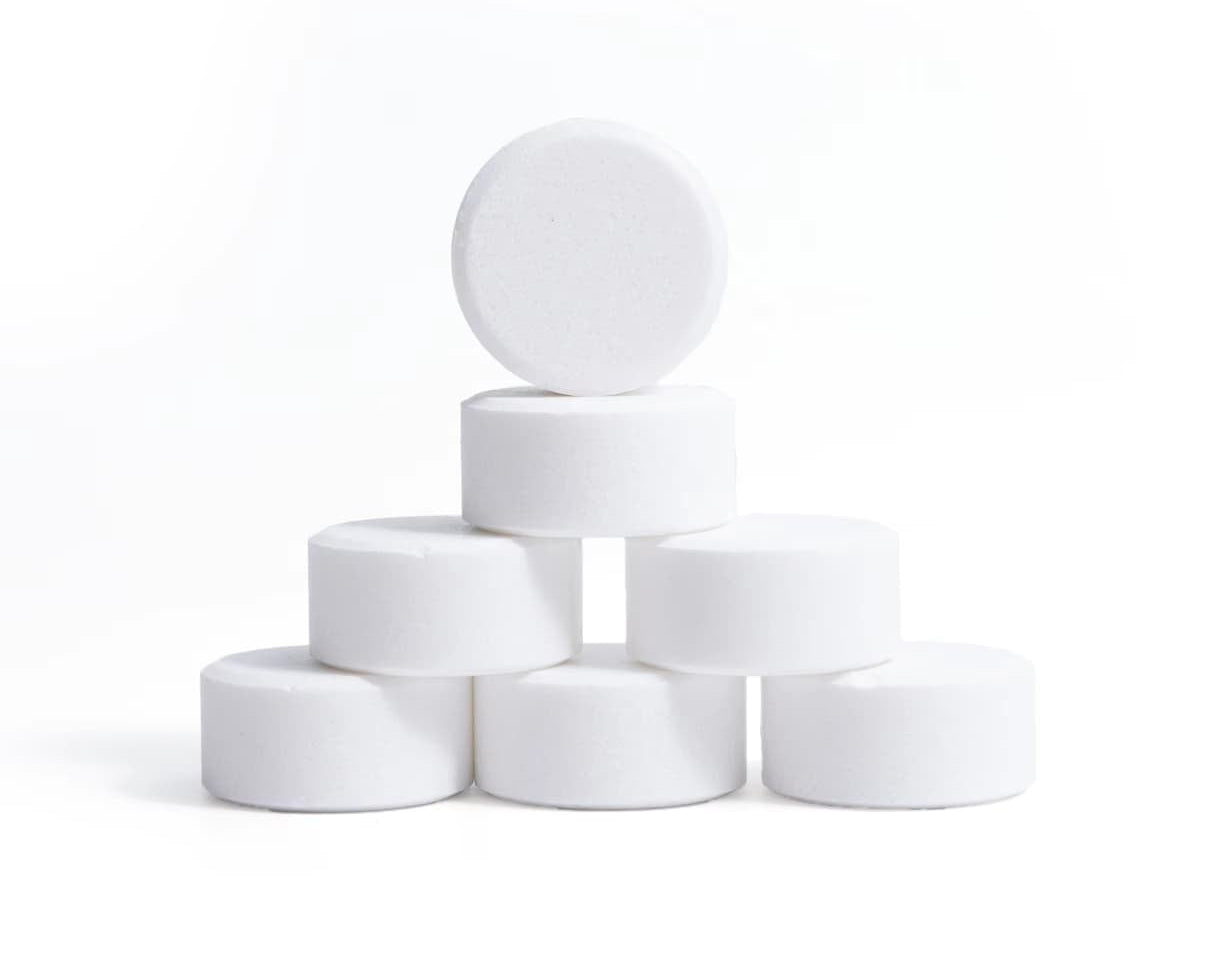
Why not different tablet dosages? Two tablets create the same active oxygen concentration regardless of whether you're treating 11 liters or 19 liters. The chemistry scales proportionally—more volume just means the oxygen molecules are distributed across more space. Both jugs still receive effective sanitization coverage.
When You Might Extend the Soak Time
If your jug is visibly discolored, smells stale, or hasn't been cleaned in months, extend the soak to 30 minutes for both 3-gallon and 5-gallon sizes. The larger size doesn't require longer treatment—contamination severity does.
Comparison Table: 3-Gallon vs 5-Gallon at a Glance
| Factor | 3-Gallon Jug | 5-Gallon Jug |
|---|---|---|
| Typical Use Pattern | Faster turnover (3–5 days) | Slower turnover (5–14 days) |
| Contamination Risk | Moderate (faster emptying reduces stagnation) | Higher in low-use settings (water sits longer) |
| Cleaning Frequency Needed | Every 5–7 days (or between refills) | Every 5–10 days (more often if in low-use setting) |
| Tablets Required | 2 tablets per cleaning | 2 tablets per cleaning |
| Soak Time (Normal) | 20 minutes | 20 minutes |
| Soak Time (Neglected) | 30 minutes | 30 minutes |
| Physical Difficulty | Lighter, easier to handle | Heavier, requires care when lifting |
Where Size Does Matter: Frequency, Not Method
The one place where jug size genuinely influences your cleaning schedule is in the frequency calculation:
- 3-gallon in active household (4+ people): Cleans itself through use. Clean every 5–7 days as preventive maintenance.
- 5-gallon in active office (20+ people): High turnover. Clean every 7–10 days. The frequent refills mean you're already enforcing regular replacement.
- 5-gallon in quiet office or home (1–3 people): Stagnation risk. Clean every 5–7 days regardless, or immediately when you notice water sitting for more than a week. The complete guide to cleaning a 5-gallon water jug emphasizes frequency in low-use settings.
- 3-gallon in very light use (1–2 people, occasional drinker): The jug doesn't need to refill weekly. Set a reminder to clean every 7–10 days regardless of how full it is.
In summary: Size doesn't change the cleaning method. Use patterns change the frequency.
FAQ: 3-Gallon vs 5-Gallon Cleaning
Can I use just 1 tablet for a 3-gallon jug to save money?
Not recommended. The 2-tablet dosage ensures effective active oxygen chemistry throughout the jug. Using 1 tablet reduces sanitization coverage and defeats the purpose of effective cleaning.
Do I need longer water temperature for a 5-gallon jug?
No. Warm water (not hot) works equally well for both sizes. The tablet chemistry handles the biological work, not heat.
If I'm using a 3-gallon jug, can I skip cleaning as often?
Only if you're actually using it more frequently (faster turnover). If your 3-gallon jug sits full for a week before being refilled, you have the same stagnation problem as a neglected 5-gallon jug. Usage frequency trumps size.
Is a 3-gallon jug better for shared offices?
3-gallon jugs are better for moderate-sized offices (5–15 people) because faster turnover means less stagnation risk. For large offices (30+ people), a 5-gallon jug makes sense because it empties frequently anyway. For 1–3 people, either size works, but clean with the same discipline.
Do I need different brushes for different jug sizes?
Actually, water jug cleaning tablets eliminate the need for brushes altogether. Brushing can damage the jug interior and miss biofilm in crevices. Tablets work on both sizes without mechanical scrubbing.
Size Doesn't Matter—Sanitization Does
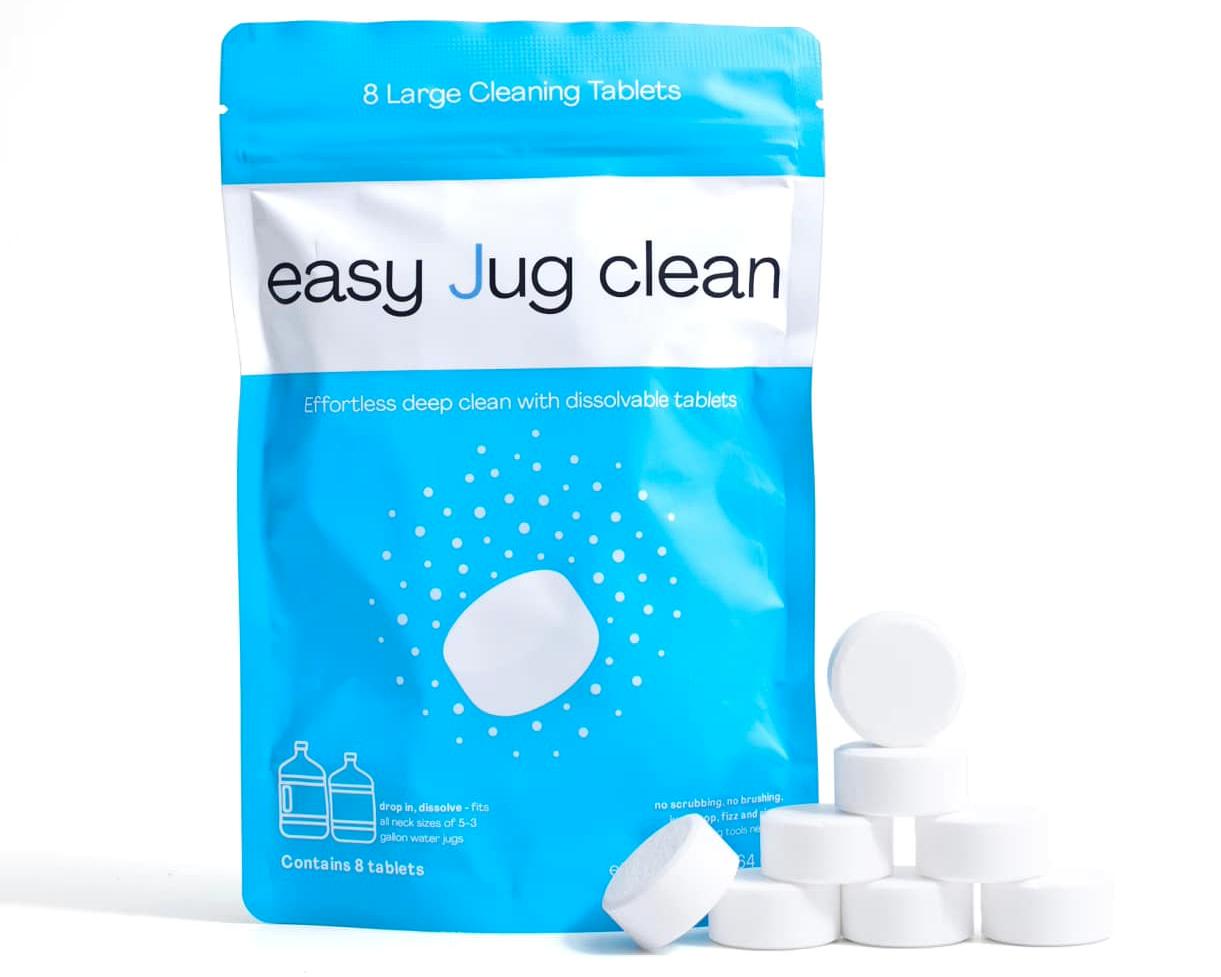
Whether you're cleaning a 3-gallon or 5-gallon jug, Easy Jug Clean tablets deliver the same effective, food-safe sanitization. The same 2 tablets work on both.
Get Easy Jug Clean – for 8 tablets
See how Easy Jug Clean works inside any size water cooler jug:


 Order now — get it by