How to Clean a 5 Gallon Water Jug: The Complete Guide
Category: Water Jug Hygiene | 5 Gallon Water Jug Jug Cleaning Water Safety
Why Cleaning Your 5 Gallon Water Jug Is Non-Negotiable
Most people assume that because bottled water is "clean," the jug it lives in must be clean too. That's a costly mistake. A 5 gallon water jug is a warm, dark, moist environment — exactly the conditions that bacteria, mold, and biofilm love. Every time you refill, you introduce new microorganisms from the air, your hands, and the fill station itself.
Left uncleaned, your jug can develop:
- Biofilm buildup — a sticky microbial layer that clings to the inner walls
- Hard water deposits — chalky calcium and mineral scale that clouds the plastic
- Odor and off-taste — often described as a plastic, musty, or stale flavor
- Mold spots — especially near the neck and the bottom seam where moisture collects
The Centers for Disease Control and Prevention (CDC) advises that water storage containers should be cleaned and sanitized on a regular basis. Most experts recommend cleaning reusable water jugs at least once per week — and more frequently if the jug sits in a warm room or is used heavily.
The Problem with Traditional Cleaning Methods
Before we get to the smart solution, let's be honest about what most people reach for — and why those approaches are more trouble than they're worth.
The Long-Handled Jug Brush: An Awkward Battle You Never Quite Win
The DIY Vinegar Soak: The Kitchen Myth That Gets Recycled Online
Bleach Solutions: Powerful, But at What Cost?
Dish Soap and Hot Water: Not Even Close
✅ There's a Better Way — and It Takes 20 Minutes
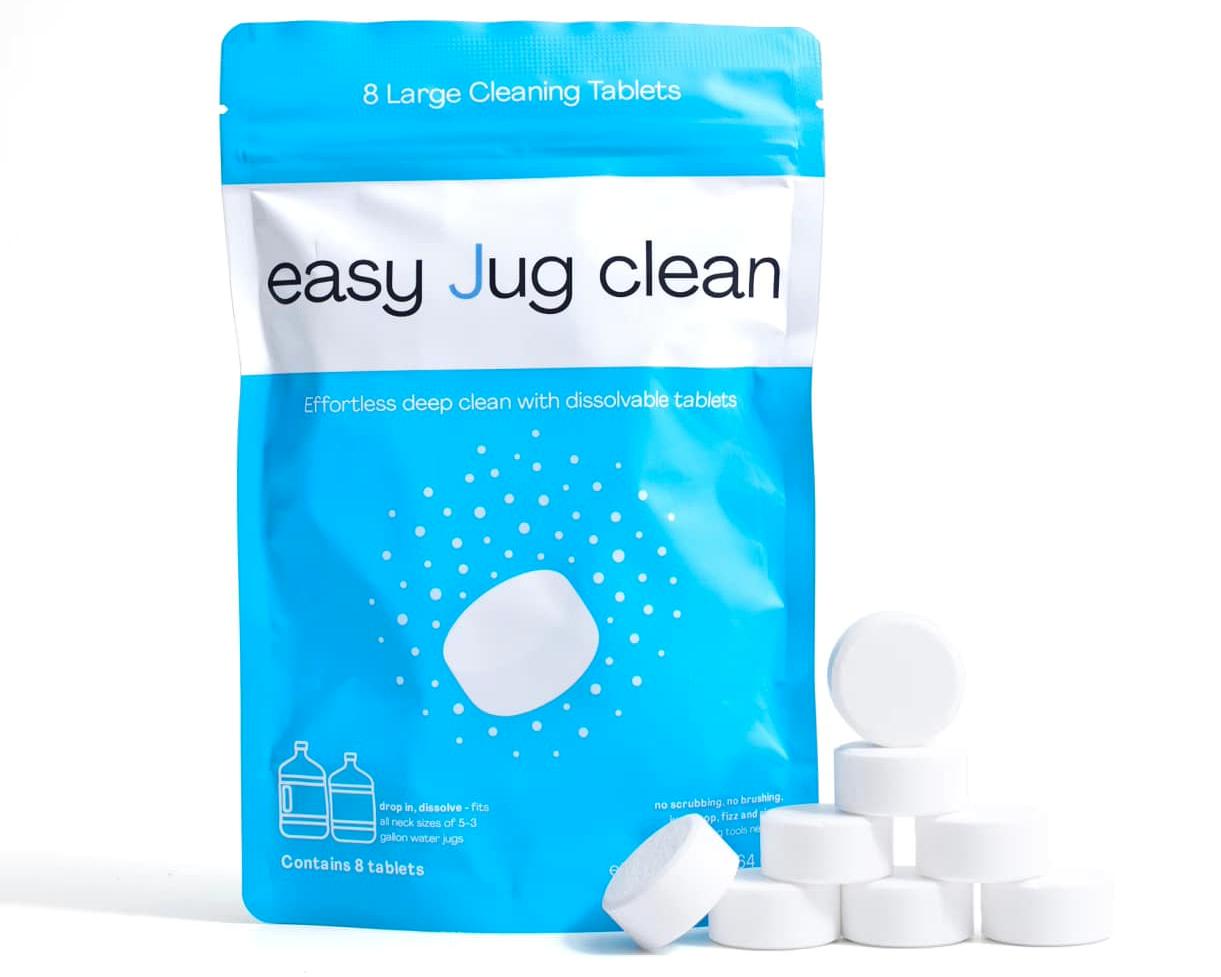
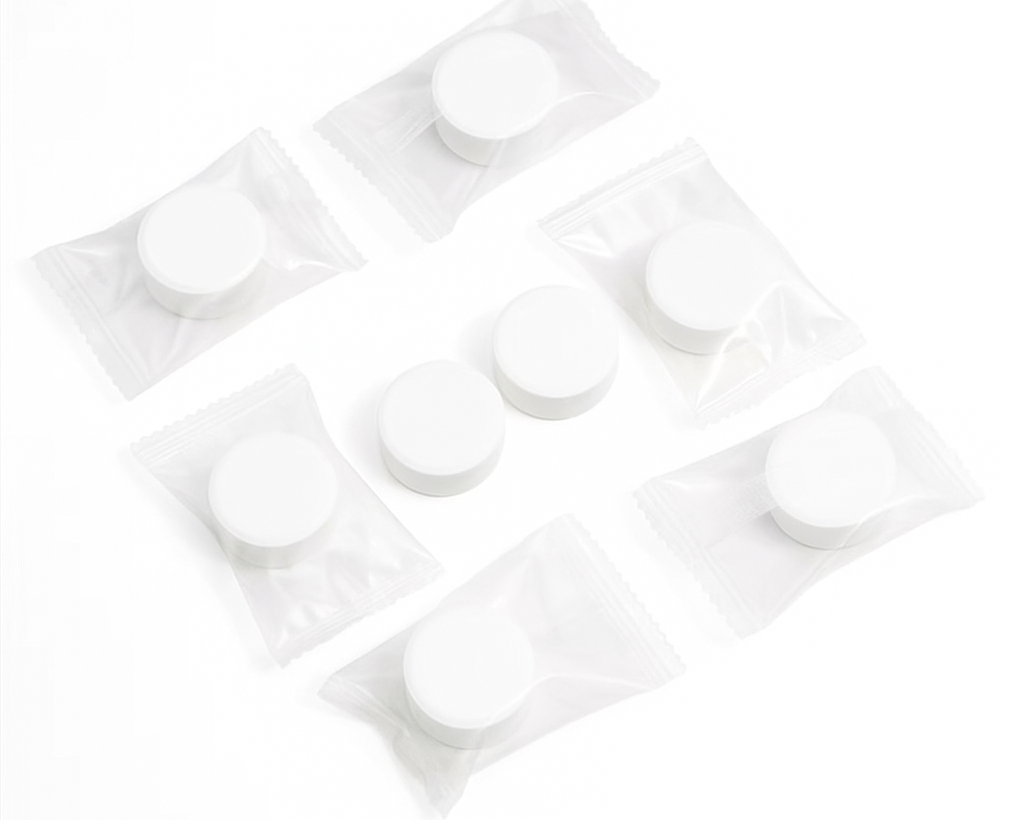
Meet Easy Jug Clean — the effortless cleaning tablet that does everything the old methods can't. No brushes. No harsh chemicals. No scrubbing. Just drop two tablets into warm water, wait 20–30 minutes, and rinse. Done.
See how Easy Jug Clean cleans a 5 gallon water jug in 20 minutes — no scrubbing required:
How to Clean a 5 Gallon Water Jug the Right Way: Step-by-Step
Whether you're cleaning your jug for the first time or making it part of your weekly routine, here's the gold-standard process using Easy Jug Clean — the only method engineered specifically for the inside of a 5 gallon water jug.
How Often Should You Clean Your 5 Gallon Water Jug?
The short answer: at least once a week. Here's a quick reference based on your usage:
| Usage Level | Recommended Cleaning Frequency |
|---|---|
| Light (1–2 people, cool room) | Every 7–10 days |
| Moderate (family of 4) | Every 5–7 days |
| Heavy (office dispenser, warm room) | Every 3–5 days |
| After illness in household | Immediately, then resume weekly schedule |
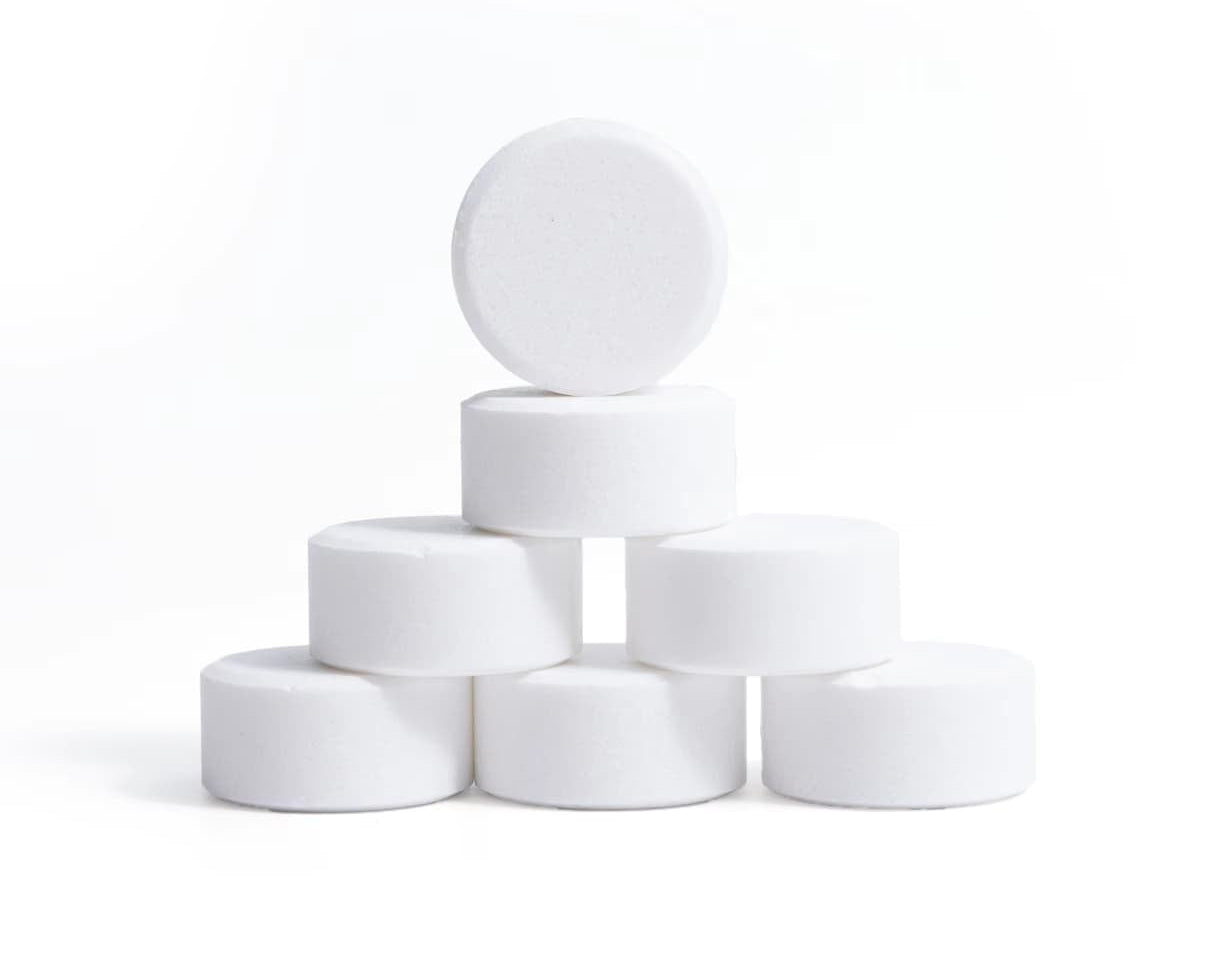
Each pack of Easy Jug Clean contains 8 large tablets — a full monthly supply for one jug at the weekly cleaning schedule. That's less than $5 a month to ensure your family's water container is genuinely clean.
Signs Your 5 Gallon Water Jug Needs an Immediate Clean
Don't wait for your weekly schedule if you notice any of these warning signs:
- Cloudy or foggy jug walls — almost always mineral deposits and scale
- Musty or plastic taste in freshly filled water
- Visible dark spots inside the jug — typically mold or mildew
- Slippery inner surface when you swish water around — that's biofilm
- Any odor at all — odorless water is the goal
Cleaning Your 5 Gallon Water Dispenser: Don't Forget the Machine
Your jug and your water dispenser unit are a team. Even a perfectly clean jug can get recontaminated by a dirty dispenser. At least once a month, wipe down the spigots, nozzle, and drip tray with a food-safe disinfectant. The interior reservoir of the dispenser itself also deserves attention — consult your dispenser manual for specifics, and consider a tablet-based sanitizing solution for deep internal cleaning.
Cleaning Glass vs. Plastic 5 Gallon Water Jugs
Glass 5 gallon jugs are becoming increasingly popular for health-conscious consumers who want to avoid BPA and microplastics . The good news: Easy Jug Clean tablets work equally well in both glass and plastic jugs (3 to 5 gallon). Glass doesn't absorb odors the way plastic can, but it still develops biofilm and mineral deposits just as readily. Regular cleaning with an effervescent tablet is the easiest maintenance routine for both materials.
The Easy Jug Clean Difference: Why Tablets Win
Here's the honest side-by-side comparison that shows why tablets are simply the superior approach for cleaning a 5 gallon water jug:
| Method | Reaches Inside Corners | Removes Biofilm | Removes Hard Water Scale | Food-Safe Residue | Effort Required |
|---|---|---|---|---|---|
| Jug Brush | ❌ Limited | ⚠️ Partial | ❌ No | ✅ Yes | 🔴 High |
| Vinegar Soak | ⚠️ Partial | ❌ No | ⚠️ Light deposits only | ⚠️ Residue odor | 🟡 Medium |
| Bleach Solution | ✅ Yes | ✅ Yes | ❌ No | ⚠️ Requires heavy rinsing | 🟡 Medium + Risk |
| Dish Soap | ❌ No | ❌ No | ❌ No | ⚠️ Residue | 🟡 Medium |
| Easy Jug Clean | ✅ Full Coverage | ✅ Yes | ✅ Yes | ✅ Food-grade safe | 🟢 Nil |
The formula behind Easy Jug Clean is powered by active oxygen release, controlled fizzing, and plant-based surfactants — working together to do in 20 minutes what scrubbing and soaking struggle to do at all. It protects both plastic and glass surfaces, eliminates odors at the source rather than masking them, and leaves zero harsh residue behind.
Storing Your 5 Gallon Water Jug Between Uses
Cleaning your jug is only half the equation. Proper storage matters just as much. Follow these best practices:
- Always cap your jug when not in use — open necks invite dust, insects, and airborne bacteria
- Store in a cool, shaded location — heat and UV light accelerate bacterial growth and can degrade plastic
- Never store an empty jug with moisture inside — dry completely before capping and storing
- Avoid storing on the floor near cleaning chemicals, paint, or fuel — porous plastics can absorb vapors
Frequently Asked Questions
Q: How long do Easy Jug Clean tablets take to work?
Just 20–30 minutes. Fill with warm water, drop in 2 tablets, and let the fizzing action do the work. Rinse and you're done.
Q: Are Easy Jug Clean tablets safe for drinking water containers?
Yes. The formula uses food-grade, plant-based cleaning agents. After rinsing, there is no harmful residue — the jug is ready for your next fill.
Q: Can I use Easy Jug Clean on a 3 gallon jug?
Absolutely. The tablets are designed for 3 to 5 gallon water jugs, both plastic and glass.
Q: How many tablets come in a pack?
Each pack of Easy Jug Clean contains 8 large tablets (1.06 oz each), which is a one-month supply at the recommended once-a-week cleaning schedule for one jug.
Q: My jug has been sitting dirty for a long time — will tablets still work?
Yes, though for heavy buildup you may want to let the tablets soak for the full 30 minutes and swirl the solution occasionally. A second cleaning cycle the following day will handle even stubborn long-term deposits.
The Bottom Line: Clean Your Jug Right, Every Time
A 5 gallon water jug is an investment in your family's hydration — but only if it's kept clean. The old methods — brushes that can't reach, vinegar that doesn't fully sanitize, bleach that carries risk, soap that leaves residue — are all workarounds for a problem that finally has a proper solution.
Easy Jug Clean tablets were built from the ground up for exactly this job. Drop two tablets into warm water, walk away for 20 minutes, rinse, and refill with confidence. No tools. No harsh chemicals. No guesswork.


 Order now — get it by