Biofilm in Water Dispensers: The Hidden Health Risk
Reading time: ~7 minutes | Water Dispenser Biofilm Full System Cleaning
Why the Dispenser Is Often Dirtier Than the Jug
Your 5 gallon water jug has a narrow neck that limits access — but it also limits contamination entry points. Your water dispenser, by contrast, has multiple zones that are touched, exposed to air, and in contact with standing water constantly. Each of these conditions accelerates biofilm formation beyond what happens in the jug itself.
The Five Contamination Zones Inside Your Dispenser
The spigots are touched by multiple people multiple times per day — often without handwashing. Each touch deposits skin bacteria onto the nozzle surface. The nozzle interior is also in contact with water every time the dispenser is used, creating a perpetually moist environment. Most dispenser nozzles have internal ledges and threads that trap water and organic material — perfect biofilm architecture. Studies of office water dispensers consistently identify the spigot nozzle as the highest-density contamination zone in the entire dispenser system.
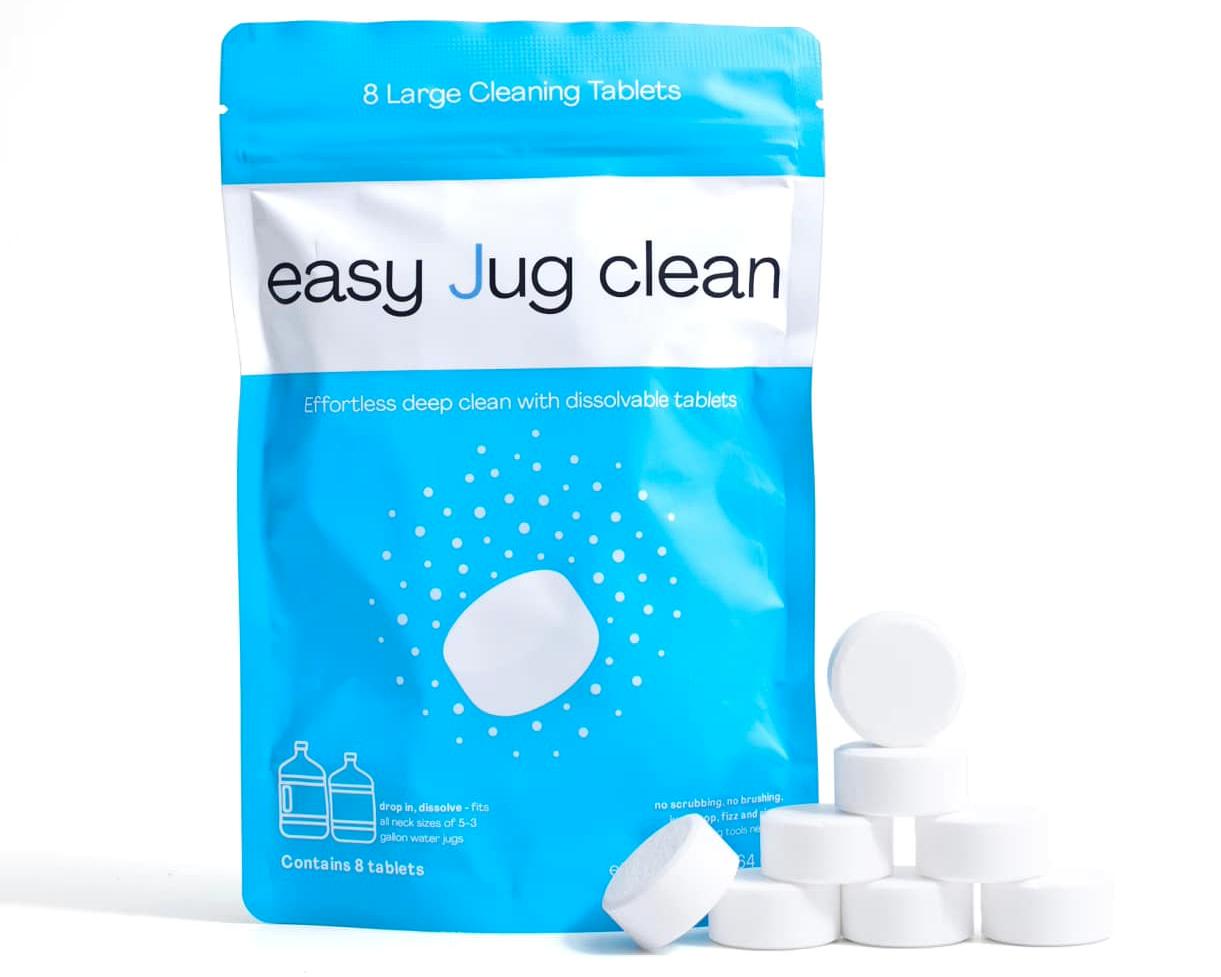
Cleaning protocol: Weekly wipe with a food-safe sanitizing wipe on exterior surfaces. Monthly soak with a diluted Easy Jug Clean solution — remove the nozzle if your dispenser allows it and soak for 20 minutes.
Hot and cold water dispensers contain an internal reservoir that holds water between the jug and the dispensing nozzle. This reservoir — typically 0.5–2 liters depending on the unit — is never fully emptied between jug changes. The combination of standing water, warm temperatures (especially in hot-water compartments), and near-zero turbulence creates the ideal biofilm incubator. Refrigerated reservoirs are somewhat safer — cold temperatures slow bacterial growth — but do not eliminate the risk entirely, as many biofilm species grow successfully at refrigerator temperatures.
Cleaning protocol: Quarterly — consult your dispenser's manual for access to the internal reservoir. Many units have a drain valve at the rear. Flush the reservoir with an Easy Jug Clean solution, allow to soak for 20 minutes, drain completely, and rinse before replacing the jug.
The drip tray collects water that misses glasses during dispensing — a small volume of standing water that, if not regularly emptied and cleaned, becomes a biofilm reservoir positioned directly below the active dispensing zone. When a glass is held under the spigot, there is a real possibility of splash-back from a contaminated drip tray onto the glass and nozzle. The drip tray also often accumulates organic material from drink mixing (coffee, juice, protein powder) that accelerates bacterial growth far beyond what plain water creates.
Cleaning protocol: Empty and rinse the drip tray weekly. Monthly scrub with a food-safe cleaning solution. Replace the drip tray insert if it has permanent staining or visible biofilm that doesn't clear with cleaning.
The area where the jug neck seats onto the dispenser — including the probe or piercing mechanism that punctures the jug seal — is a critical contamination interface. Every jug change involves lifting the old jug (which has been in contact with the dispenser probe) and placing a new one. The probe is exposed to air between jug changes and is in constant contact with water during use. Any biofilm on the probe is introduced directly into the first water that passes through the new jug. The seating ring and collar also accumulate water, creating a moist zone that many users never clean.
Cleaning protocol: Wipe the probe and seating area with a food-safe sanitizing wipe at every jug change. Never allow the probe area to dry with visible water or residue present.
While not in direct contact with water, the ventilation slots and exterior panels of a dispenser accumulate dust and organic particles that can be drawn into the unit's airflow and deposited in the water pathway. Monthly exterior wipe-down with a damp cloth significantly reduces this risk. Not a primary contamination source but worth including in a thorough quarterly clean.
The Full System Cleaning Schedule
| Component | Weekly | Monthly | Quarterly |
|---|---|---|---|
| 5 gallon water jug | ✅ Easy Jug Clean tablet treatment | — | — |
| Spigot nozzle exterior | ✅ Sanitizing wipe | — | — |
| Drip tray | ✅ Empty and rinse | ✅ Full scrub | — |
| Probe and seating area | ✅ Wipe at every jug change | — | — |
| Spigot nozzle interior | — | ✅ Soak with cleaning solution | — |
| Internal reservoir | — | — | ✅ Flush and soak |
| Exterior panels and vents | — | ✅ Wipe down | — |
How to Deep-Clean Your Water Dispenser: Step-by-Step
Watch Easy Jug Clean dissolve scale and odor buildup in a single 20-minute treatment:
✅ Start With the Jug — Easy Jug Clean Does the Hard Part
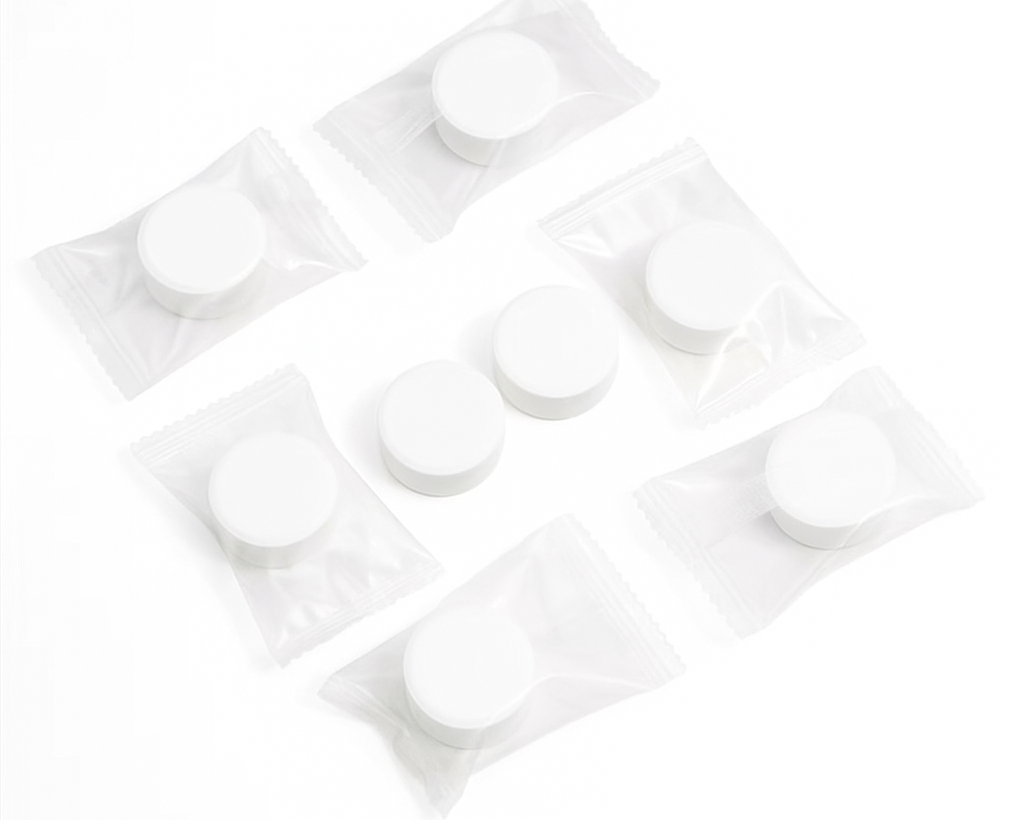
Two tablets. Twenty minutes. A fully sanitized jug interior to set on your clean dispenser. for a full month's supply.
Frequently Asked Questions
Q: How do I know if my dispenser's internal reservoir has biofilm?
Indicators include water that has an off-taste or odor despite using a freshly cleaned jug, visible slime or discoloration around the spigot nozzle interior, and water that seems to taste different from the beginning to the end of a jug. If you've never cleaned the internal reservoir, assume biofilm is present and perform a quarterly deep clean.
Q: Can I use Easy Jug Clean tablets to clean my dispenser's internal reservoir?
Yes — dissolved in warm water and flushed through the reservoir, the active oxygen formula is appropriate for food-contact surfaces including dispenser interiors. Follow the quarterly deep-clean protocol above and rinse thoroughly before use.
Q: How often should office water dispensers be cleaned versus home units?
Office dispensers — due to multi-user contact, warm environments, and higher daily use — should have spigot wipe-downs daily, drip tray cleaning twice weekly, and internal reservoir cleaning monthly rather than quarterly.


 Order now — get it by