The Right Cleaner for a Shared Water Cooler Jug
Reading time: ~6 minutes | Shared Water Cooler Best Cleaner Food-Safe
The Right Cleaner for a Shared Water Cooler Jug
Why Shared Water Cooler Jugs Need a Different Approach
A personal water jug in your home is one thing. A water cooler jug in a shared office environment is entirely different. In a shared setting, the jug passes through the hands of dozens of people daily. Cross-contamination risk is higher. Accountability is lower. And critically, the cleaner you choose has to be reliable enough that someone—anyone—will actually use it without hesitation or fear.
The stakes are also higher from a health and safety perspective. One person drinking from a poorly cleaned jug doesn't just affect that individual. In a shared environment, a contaminated jug means everyone at the office shares the risk. This is why the right cleaner for shared jugs isn't just about removing dirt—it's about removing the friction that prevents cleaning from happening in the first place.
The 5 Cleaner Types: Evaluated for Shared Use
1. Dish Soap
The appeal: It's in every kitchen. It's cheap. It feels safe because we use it on dishes we eat from.
The reality for shared jugs: Dish soap leaves a slick residue that's nearly impossible to rinse away completely from the plastic interior of a water jug. In a shared setting, this is a nightmare. One person rinses thinking it's clean. The next person fills the jug with water. The residue releases into everyone's water. You've created a laxative in your office water cooler.
Verdict: Fails for shared environments. The residue risk is too high, and the liability is yours.
2. Bleach
The appeal: It's powerful. People trust it for sanitization.
The reality for shared jugs: Bleach works, but it creates a genuinely dangerous situation in a shared office. The fumes are a safety hazard in an enclosed break room. People are nervous about chemical residue on something they'll drink from. Handling bleach requires gloves and ventilation—suddenly your "anyone can do it" cleaning task becomes a procedure that needs training and PPE. In a shared setting, this friction means the jug doesn't get cleaned as often as it should.
Verdict: Technically effective, but the practical barriers make it unsuitable for shared environments.
3. White Vinegar
The appeal: Natural. Non-toxic. Deodorizing.
The reality for shared jugs: Vinegar is genuinely safe and better than bleach for shared spaces. But it's weak. It breaks down mineral scale moderately well, but it doesn't meet the sanitization standards a shared jug really needs. In a water cooler jug cleaning protocol that actually sanitizes, you need active chemistry that disrupts biofilm and eliminates bacterial populations—not just acid that sits there.
Verdict: Safe but insufficient for serious contamination control in shared settings.
4. Generic Cleaning Tablets (Unknown Chemistry)
The appeal: Convenient. Premeasured. No mixing.
The reality for shared jugs: Not all cleaning tablets are created equal. Some are designed for tea kettles or coffee makers, not water jugs. Others contain surfactants that leave residue or dyes that discolor the jug. In a shared environment, you're introducing an unknown chemical into everyone's water supply. That's a liability conversation you don't want to have.
Verdict: Convenience means nothing if the chemistry is wrong or unknown.
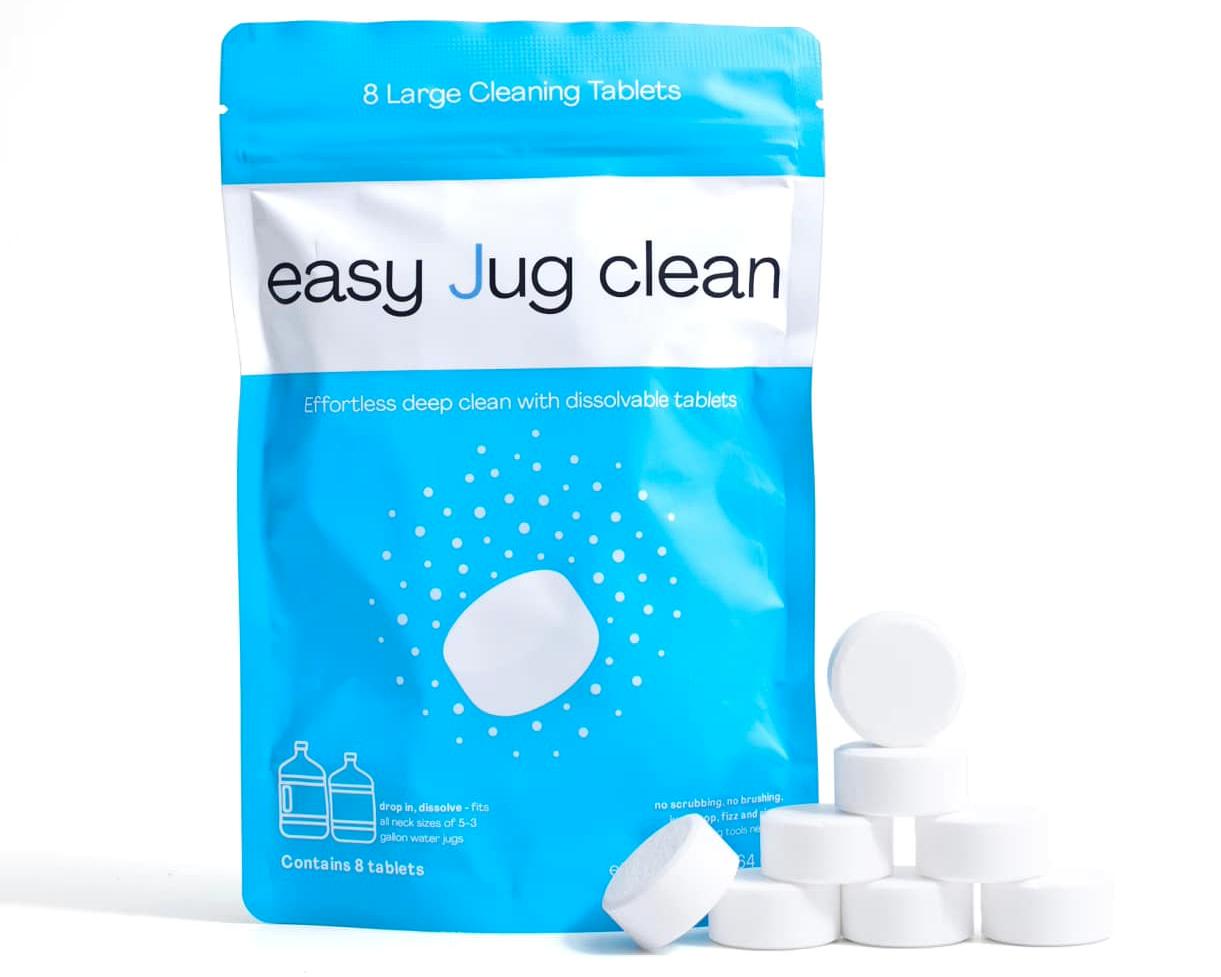
5. Easy Jug Clean Tablets
The appeal: Food-grade active oxygen chemistry. Zero residue. No fumes. No equipment needed.
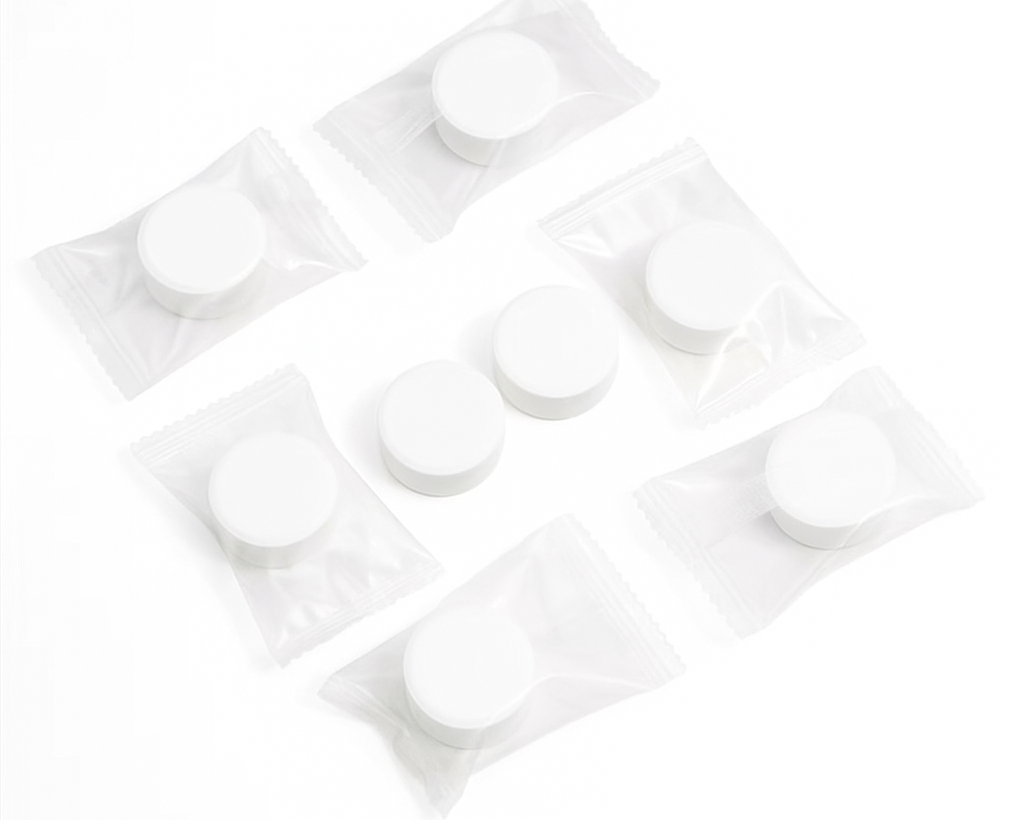
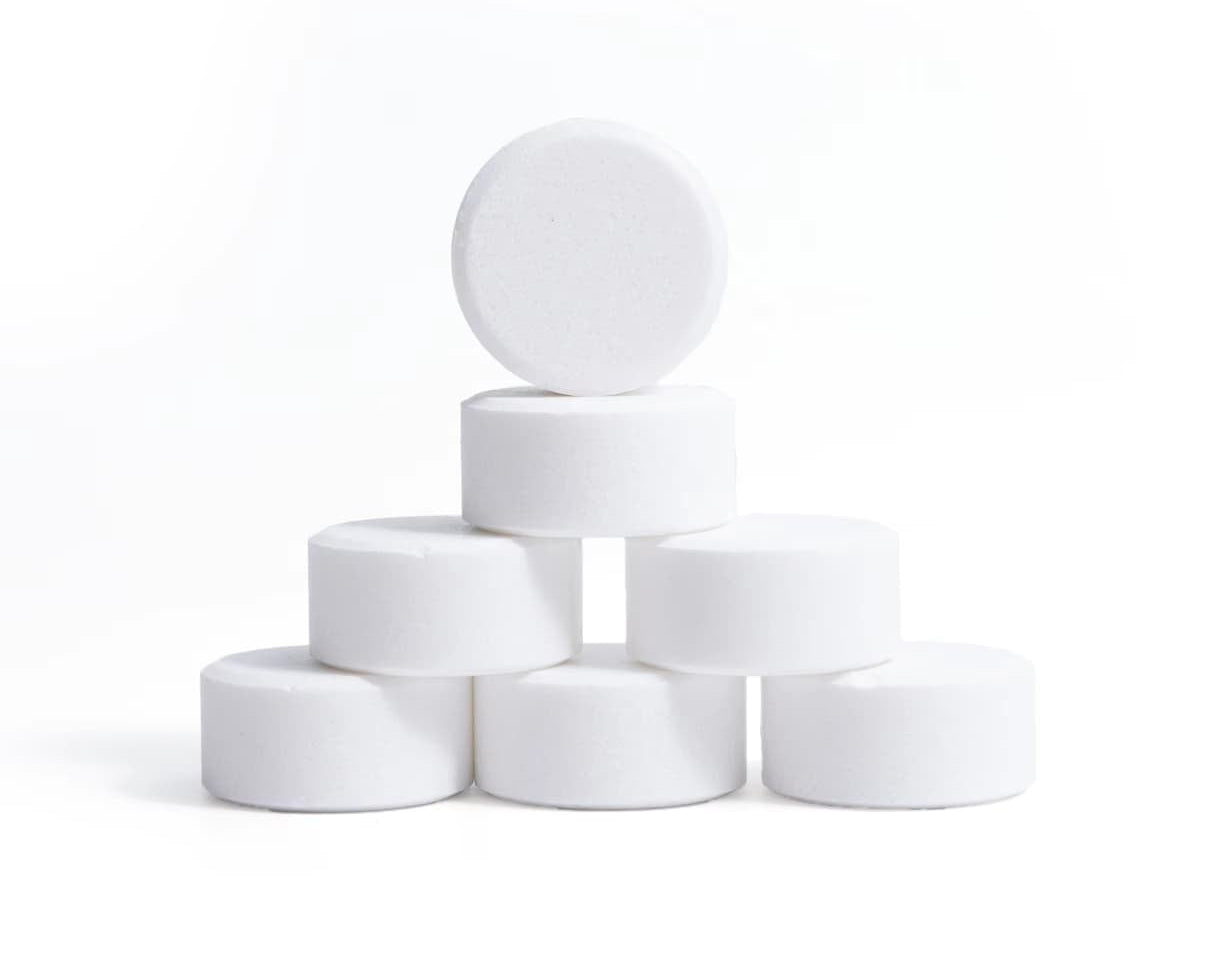
The reality for shared jugs: This is where the "actually gets done" angle matters. Easy Jug Clean tablets dissolve without residue, release no harmful fumes, and are food-grade safe—so there's no hesitation when someone new to the process picks up a tablet. No PPE, no ventilation requirements, no training. Drop in 2 tablets, wait 20 minutes, rinse—anyone can do it. In a shared setting, friction is the enemy of consistency. Easy Jug Clean removes that friction entirely.
The active oxygen chemistry also delivers real sanitization. It disrupts biofilm, breaks down bacterial cell walls, and penetrates into the crevices where microbes hide. In a shared environment with high cross-contamination risk, this actually matters.
Verdict: Built for shared environments. Combines safety, simplicity, and effective sanitization.
Comparison Table: 5 Cleaners for Shared Water Cooler Jugs
| Cleaner Type | Safety for Shared Use | Residue Risk | Sanitization Strength | Ease of Use | Best For Shared Offices? |
|---|---|---|---|---|---|
| Dish Soap | High residue concern | Very High | Weak | Easy | ❌ No |
| Bleach | Fume hazard | Low | Very Strong | Requires PPE | ❌ No |
| White Vinegar | Safe | None | Moderate | Easy | ⚠️ Marginal |
| Generic Tablets | Unknown chemistry | Variable | Variable | Easy | ❌ Risky |
| Easy Jug Clean | Food-grade, zero fumes | None | Strong | Simple | ✅ Yes |
The Shared Environment Advantage: Why Easy Jug Clean Wins
In a shared office, a cleaning solution only works if it actually gets used—consistently. Easy Jug Clean wins not because it's the most powerful cleaner available (though it is effective), but because it removes every barrier to consistent use:
- No fear. Food-grade chemistry means anyone picking up a tablet knows it's safe for drinking water.
- No procedure. Drop tablets in, wait 20 minutes, rinse. No measuring, no mixing, no ventilation requirements.
- No residue. In a shared setting, residue paranoia kills adoption. Easy Jug Clean leaves zero residue.
- No cost barrier. At for 8 tablets, it's a non-negotiable line item in any office budget.
- No fumes. The break room doesn't smell like a chemical lab. Cleaning happens without disrupting the office.
The method that actually sanitizes a shared water cooler jug isn't just about the chemistry—it's about creating a system people will follow. Easy Jug Clean does that. It's the cleaner designed specifically for the friction points of shared environments.
Ready to Fix Your Office Water Cooler?
Stop guessing about what's in your water. Easy Jug Clean tablets make sanitation effortless—food-safe, residue-free, and zero fumes.
Get Easy Jug Clean Today – for 8 tablets
Watch Easy Jug Clean remove buildup and bacteria from a water cooler jug:
FAQ: Cleaner Choice for Shared Jugs
Can I use a mix of cleaners for extra strength?
No. Mixing different cleaners—especially bleach with anything else—creates chemical hazards. In a shared environment, this is a safety liability. Pick one and stick with it.
What about enzymatic cleaners designed for coffee machines?
Coffee machine cleaners are formulated for different materials and don't address the biofilm issues in water jugs. Stick with a product designed for water jug sanitization.
Is vinegar really not strong enough?
Vinegar handles some mineral scale, but it doesn't effectively break down biofilm or kill bacterial populations in the way a complete water jug cleaning protocol requires. It's a complementary cleaner at best, not a primary solution.
Why is food-grade certification important?
Food-grade means the cleaner is safe if trace amounts remain and are ingested. In a shared environment with multiple people handling the jug and rinsing, this certification eliminates chemical safety concerns.


 Order now — get it by