BPA in Plastic Water Jugs: What You Need to Know
Reading time: ~6 minutes | BPA Plastic Safety 5 Gallon Jug
What Is BPA and Why Did It Matter?
The Current State of 5 Gallon Water Jugs
Virtually all 5 gallon water jugs currently manufactured and sold are made from BPA-free materials. The three common alternatives are:
| Material | BPA? | Notes |
|---|---|---|
| HDPE (High-Density Polyethylene) | ✅ BPA-free | Most common; food-grade; good chemical stability; opaque blue or white appearance |
| Tritan Copolyester | ✅ BPA-free | Clear plastic with glass-like appearance; BPA and BPS-free; good impact resistance |
| Glass | ✅ No plastic chemicals | Zero chemical migration; heavier; breakage risk |
| Polycarbonate (old) | ❌ Contains BPA | No longer standard; if your jug predates 2012, replace it |
The Remaining Concern: BPA-Free Doesn't Mean Risk-Free
How Your Cleaning Method Affects Chemical Migration
This is the connection most BPA-conscious consumers miss: chemical migration from plastic increases dramatically with three factors, all of which are within your control:
- Heat — elevated temperatures accelerate polymer chain breakdown and increase migration. Never use boiling water to clean or rinse a plastic jug.
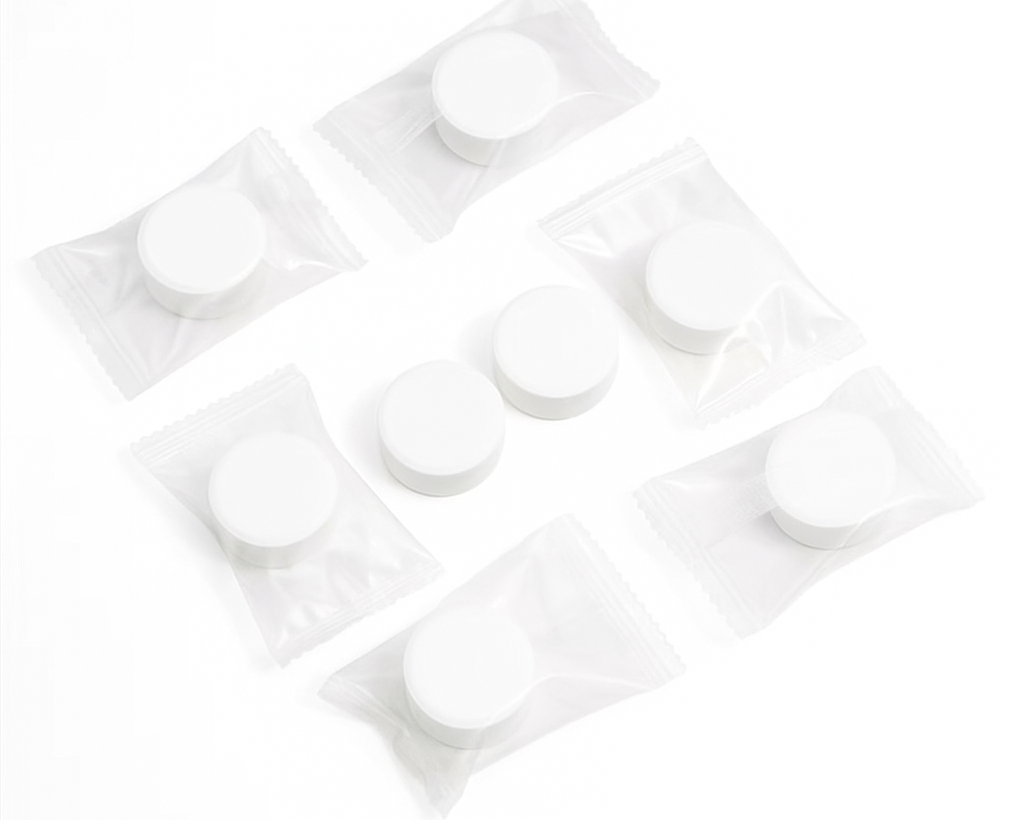
- Surface damage — micro-scratches from bottle brushes increase the surface area from which chemicals can migrate. Using a tablet cleaning method eliminates this risk factor entirely.
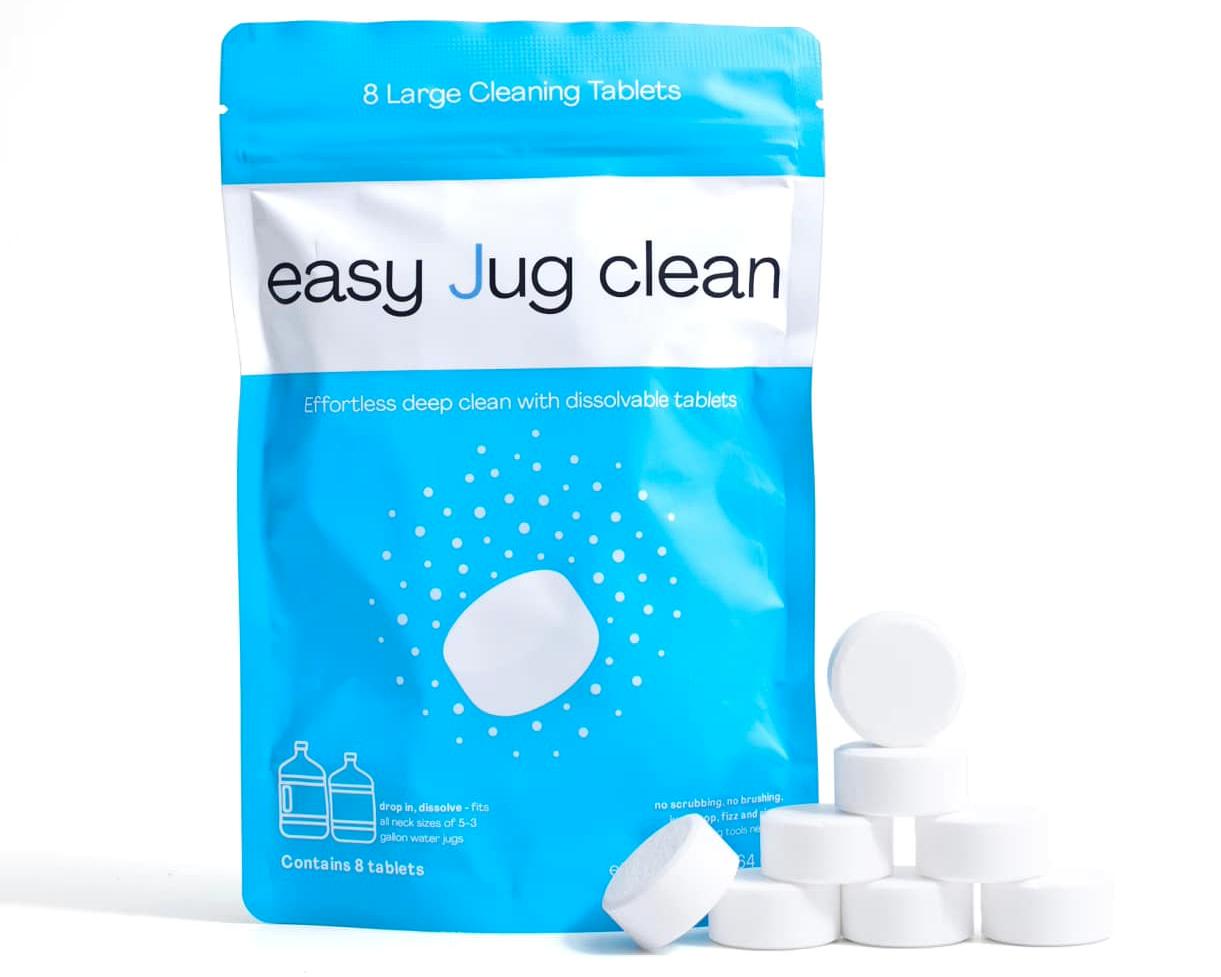
- Harsh chemicals — bleach and strong acids degrade polymer chains, increasing migration regardless of BPA status. Easy Jug Clean's food-grade formula — specifically its glycerin surface conditioner — actively maintains the plastic surface integrity that limits migration.
See how Easy Jug Clean cleans a 5 gallon water jug in 20 minutes — no scrubbing required:
✅ Clean Effectively. Protect Your Plastic. Drink Safely.
Easy Jug Clean's non-abrasive, bleach-free formula protects your jug's surface integrity with every treatment — reducing chemical migration risk while delivering complete cleaning performance.
Frequently Asked Questions
Q: How do I know if my existing jug contains BPA?
Check the bottom of the jug for the recycling symbol. Recycling code #7 with "PC" indicates polycarbonate — likely contains BPA. Codes #1 (PETE), #2 (HDPE), #4 (LDPE), and #5 (PP) are BPA-free. Most modern 5 gallon jugs with blue or white coloring are HDPE (#2). Clear jugs are typically Tritan or older polycarbonate — check for an explicit "BPA-free" label.
Q: Should I replace my plastic jug with glass to eliminate all chemical concerns?
Glass eliminates all plastic chemical migration concerns and doesn't degrade over time. If chemical minimization is your priority and the weight and breakage risk are acceptable for your household, glass is the definitive choice. For most households, a modern BPA-free jug cleaned regularly with Easy Jug Clean — which avoids the degradation accelerants of brush abrasion and bleach — is a safe and practical solution.


 Order now — get it by