Are Jug Brushes Actually Effective? What the Science Says
Reading time: ~7 minutes | Bottle Brush Cleaning Science 5 Gallon Jug
What a Bottle Brush Can Do (Being Completely Fair)
Before dismantling the brush, it deserves a fair accounting of what it actually achieves:
✅ What a brush genuinely does well
- Removes loose visible residue from surfaces it can physically reach
- Disrupts early-stage (pre-matrix) bacterial surface attachment in contacted areas
- Clears loose sediment from the bottom of the jug
- Works effectively on open-mouth containers and bottles with large openings
- Provides the psychological satisfaction of visible cleaning action
❌ What a brush fundamentally cannot do
- Reach the curved shoulder near the narrow neck
- Apply adequate pressure to the lower curved walls simultaneously with the bottom
- Penetrate the biofilm EPS matrix to kill bacteria inside
- Dissolve mineral scale deposits (no chemistry involved)
- Clean itself — the brush becomes a contamination vector
- Eliminate odor-causing bacterial VOCs at the molecular level
The Geometry Problem: Why a 5 Gallon Jug Is the Worst Shape for a Brush
A bottle brush works well in containers with a simple cylindrical profile and a mouth large enough to allow free movement. A 5 gallon water jug is the opposite of both these conditions.
Independent testing of manual cleaning efficacy in narrow-neck containers consistently shows that coverage gaps occur predictably in three zones:
- The shoulder area — the tapered zone just below the neck where the jug widens. The brush angle from the neck creates contact at too shallow an angle to exert scrubbing force here.
- The lower side walls — the mid-to-lower cylindrical walls at a distance from the brush's pivot point at the neck. Pressure drops dramatically with distance in lever systems.
- The bottom corners — the curved junction between the bottom and walls. Bristles contact the flat bottom center more than the perimeter curves.
These aren't minor omissions. They are the areas where moisture sits longest, where water turbulence is lowest, and where biofilm preferentially establishes — precisely because these zones are less disturbed by normal water movement.
The Biofilm Problem: Why Scrubbing Is the Wrong Attack for This Enemy
Even where the brush makes excellent contact, it faces a biological problem that no amount of improved bristle design can solve. Biofilm is not a loose collection of bacteria sitting on a surface. It is a structured colony protected by a self-produced polymer matrix — the EPS (extracellular polymeric substance) layer — that is specifically evolved to resist mechanical disruption.
The Micro-Scratch Problem: How the Brush Makes Every Future Clean Harder
This is the long-term damage that brush users almost never consider. Plastic water jugs — whether polycarbonate, Tritan, or HDPE — have smooth interior surfaces when new. Smooth surfaces are relatively easy to clean because bacteria have fewer anchor points and adhesion is weaker on smooth than on rough surfaces.
Every brush cleaning session creates microscopic scratches in the plastic — invisible to the naked eye but real at the scale that matters for bacterial adhesion. These micro-scratches increase the effective surface area of the interior wall, provide physical recesses that shelter bacteria from both water turbulence and cleaning agents, and create nucleation sites for mineral scale deposition.
The result: every month of brush cleaning progressively reduces the cleanability of your jug. The surface gets rougher. Biofilm adheres more tenaciously. Scale accumulates faster. The brush is, counterintuitively, making your long-term cleaning problem worse with every use.
The Contamination Problem: The Brush Is Dirtier Than Your Jug
What the Science Concludes About Jug Brush Effectiveness
| Cleaning Goal | Brush Effectiveness | Why |
|---|---|---|
| Remove loose sediment | ✅ Good | Physical contact with detached particles works well |
| Full interior surface coverage | ❌ Poor | Geometry prevents adequate reach in shoulder, lower walls, corners |
| Biofilm removal | ❌ Poor | Cannot penetrate EPS matrix; triggers dispersal and spread |
| Mineral scale removal | ❌ None | No chemical action — scale requires chemistry to dissolve |
| Odor elimination | ❌ Temporary at best | Cannot neutralize VOC-producing bacteria chemically |
| No cross-contamination | ❌ Fails | Brush harbors and introduces its own bacterial colonies |
| Plastic surface preservation | ❌ Damaging | Micro-scratches degrade cleanability over time |
Watch what the right tool actually looks like — versus what a brush can't do:
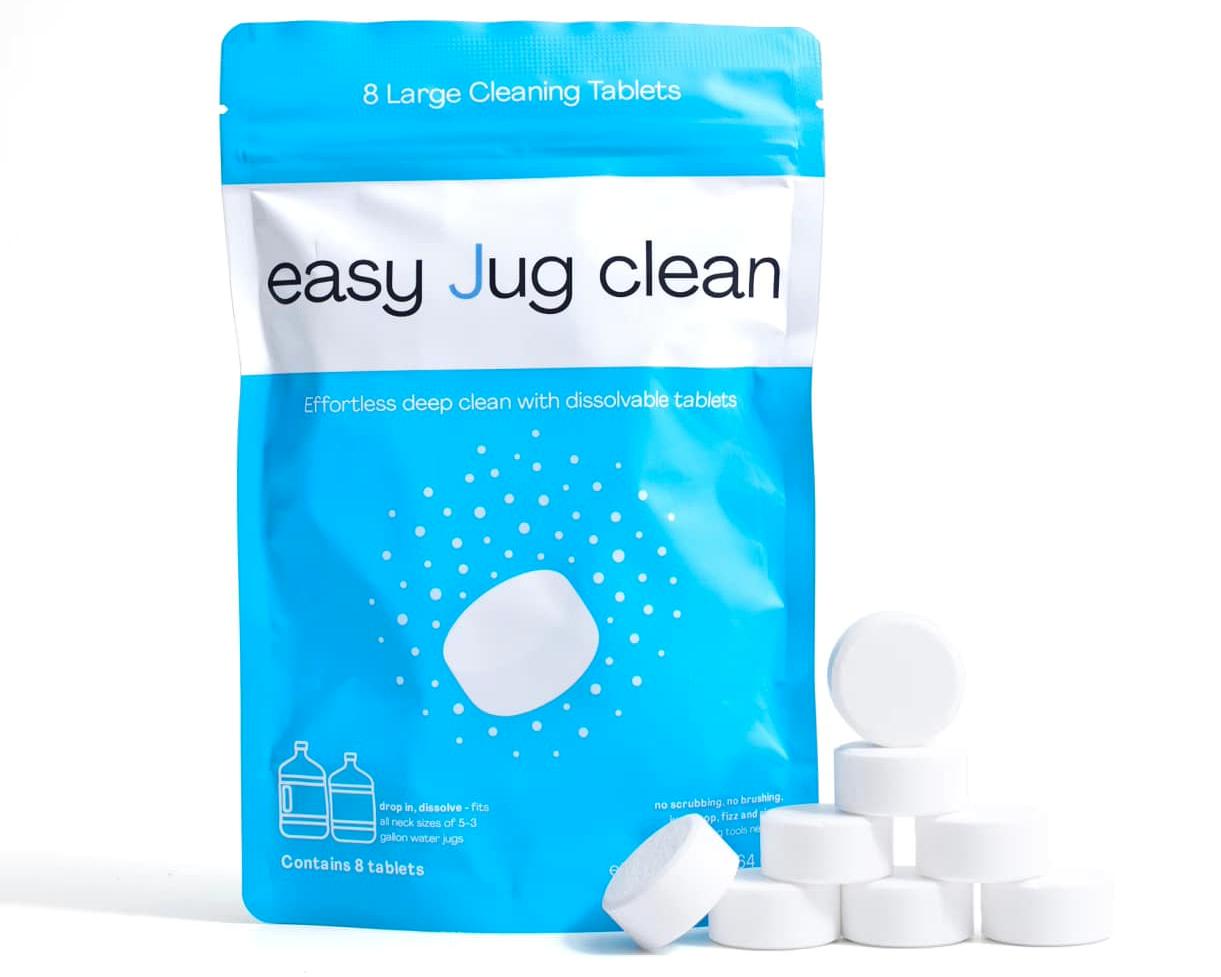
🔬 Science Says Tablets Win. Easy Jug Clean Makes It Easy.
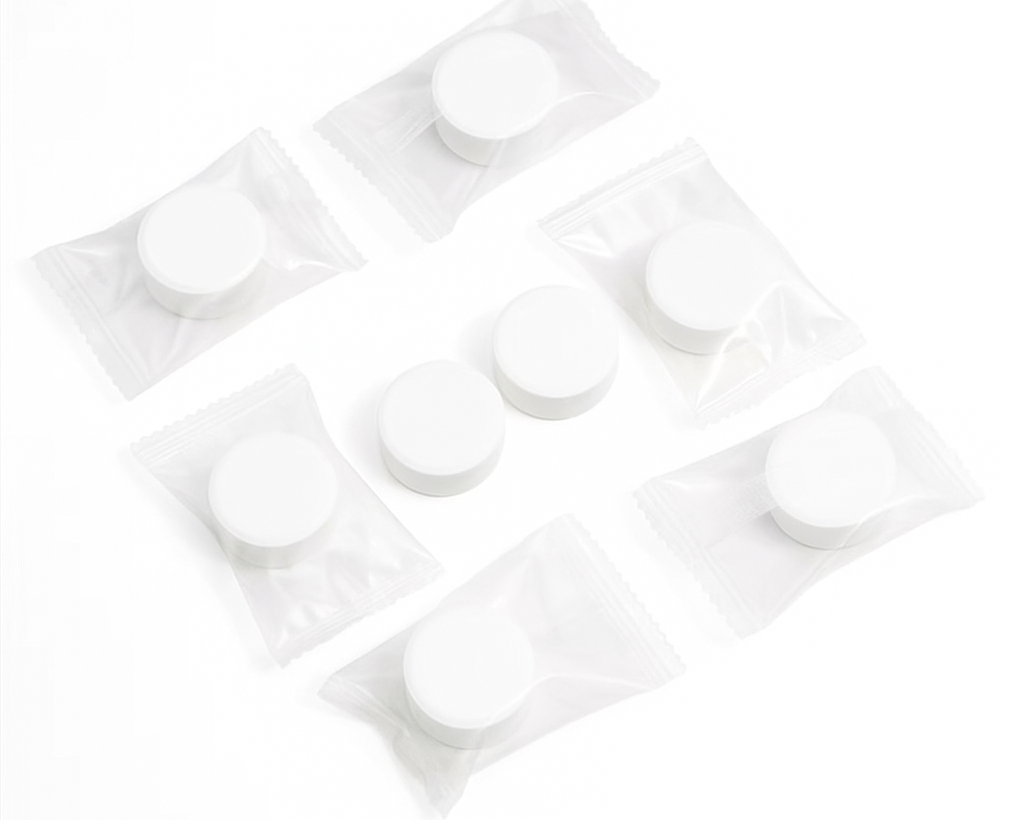
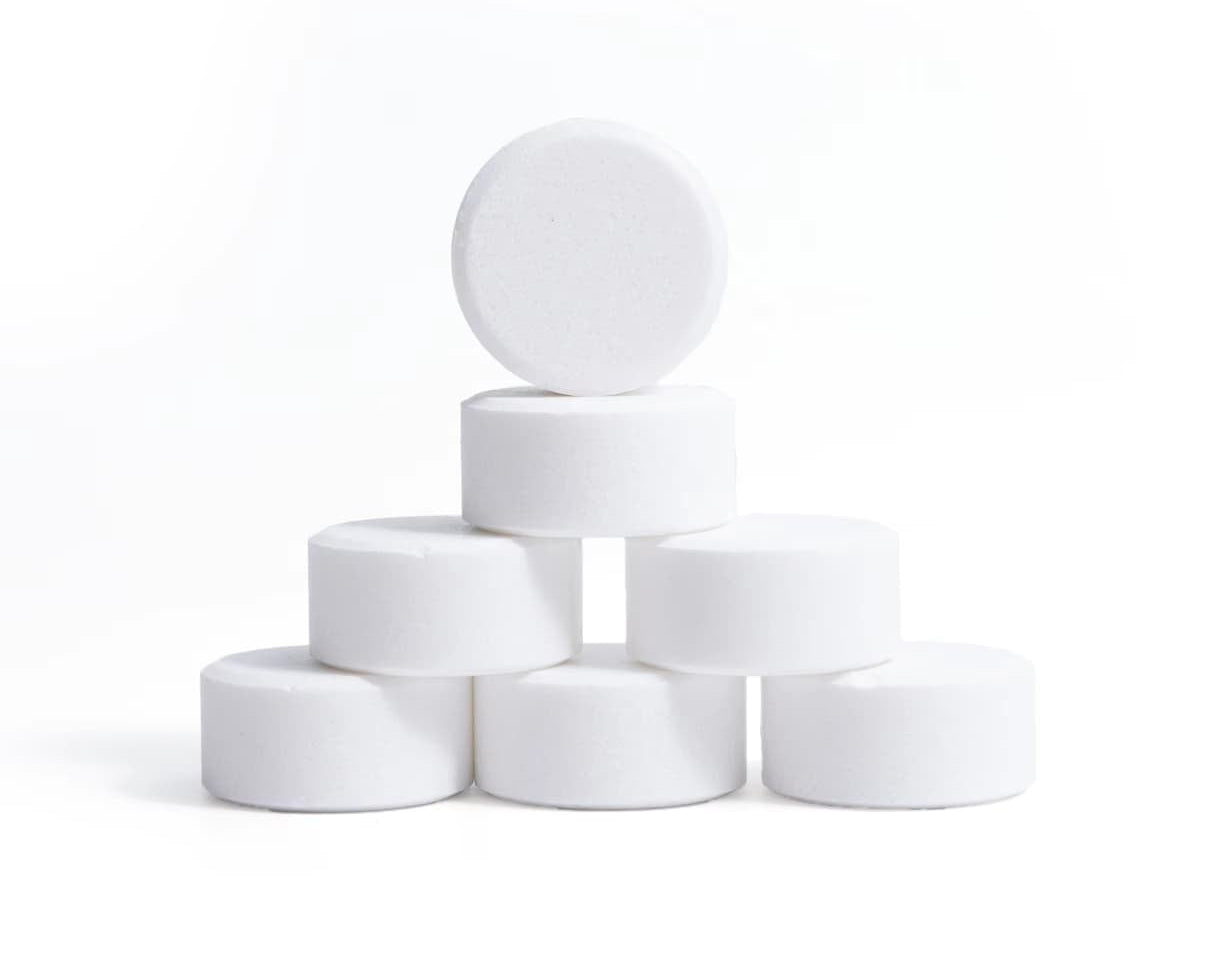
Drop 2 tablets. 20 minutes. Complete coverage of every surface the brush missed — guaranteed by chemistry, not effort.
Frequently Asked Questions
Q: What if I use both a brush and a cleaning tablet?
The tablet handles everything the brush does — and everything the brush can't. Adding a brush to a tablet routine reintroduces cross-contamination risk and micro-scratch damage without providing any cleaning benefit that the tablet isn't already delivering. The correct approach is to replace the brush with the tablet, not supplement one with the other.
Q: Are some brushes better than others for 5 gallon jugs?
Longer handles help with bottom reach. Softer bristles reduce micro-scratch damage. Neither improvement resolves the fundamental coverage gaps created by the jug's geometry, the inability to penetrate biofilm matrices, the lack of descaling chemistry, or the brush's own contamination problem. Better brushes are less bad — they are not adequate.
Q: Is there any situation where a brush is still the right tool?
A brush remains appropriate for open-mouth containers — wide-mouth pitchers, carafes, and water bottles with openings large enough to allow free movement and pressure application. For narrow-neck 5 gallon jugs specifically, the geometry renders the brush fundamentally inadequate regardless of quality.


 Order now — get it by