Camping and RV Large Water Bottles: Why Outdoor Use Demands Different Cleaning
Reading time: ~5 minutes | Camping RV Use Outdoor Cleaning
What Changes Outdoors
Temperature Variability
An indoor home dispenser sits at a stable 18–22°C year-round. A water container in an RV or campsite cycles between night-time lows of 5–10°C and daytime highs that can exceed 35°C inside a closed RV. Bacterial growth rates roughly double with every 10°C rise, so a jug that experiences daily temperature cycling sees periodic growth surges between cleanings. Cooler night-time temperatures don't reset the bacterial population — they just slow it temporarily.
Refill Source Variability
Home dispenser jugs are refilled with a single, treated, predictable water source. Outdoor and RV jugs may be refilled from campground spigots, RV park fill stations, well water of unknown quality, or treated municipal water — sometimes mixing within a single trip. Each refill source carries its own bacterial profile, and what was clean enough at home may not be clean enough at a remote campground.
Extended Dwell Between Refills
A home jug is refilled every 5–14 days. An RV jug may sit between trips for weeks or months at a time, partially full or fully drained but never fully cleaned. Stored RV containers are notorious biofilm reservoirs — months of dwell in residual moisture creates the most aggressive contamination conditions of any large-bottle scenario.
Physical Handling and Scratching
Home jugs are mounted, dispensed from, and replaced. Outdoor jugs are loaded and unloaded, banged against RV cabinetry, dropped at campsites, and wedged into cargo storage. The interior of an outdoor jug is more likely to develop micro-scratches that trap bacteria simply from rough handling.
The Outdoor Risk Profile
| Risk Factor | Home Dispenser | RV / Camping Use |
|---|---|---|
| Temperature range | Stable 18–22°C | 5–35°C+ daily cycling |
| Refill source consistency | Single source, treated | Multiple sources, variable quality |
| Dwell time between refills | 5–14 days | Days to months |
| Handling damage | Minimal | Significant |
| Storage conditions when empty | Indoor, cool, dry | RV cabinet, hot, often damp |
| Access to medical help if sick | Typical | Often delayed |
The Outdoor Cleaning Protocol
The cleaning approach for outdoor use is the same chemistry as home, with three protocol adjustments.
The Tablet Advantage for Travel
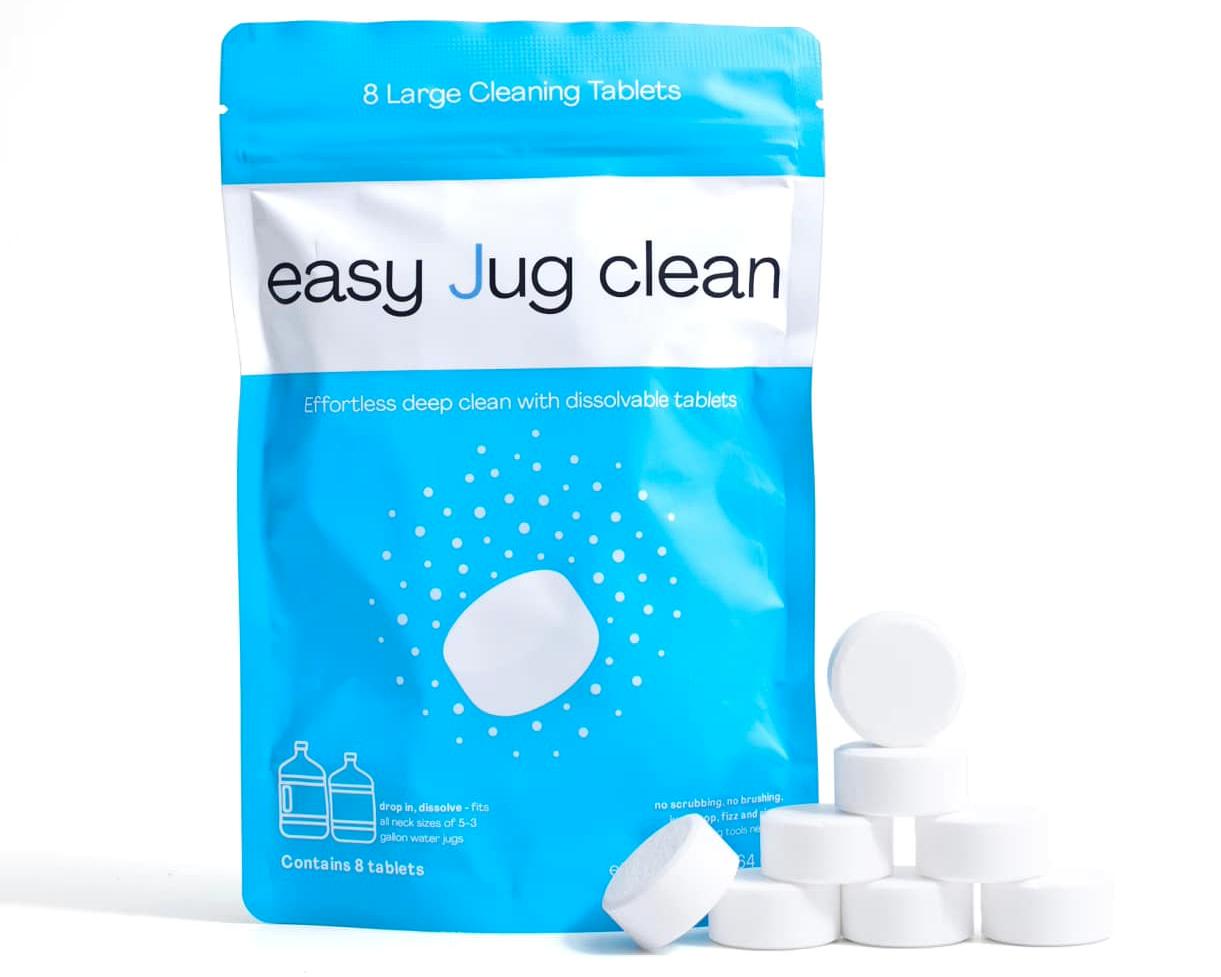
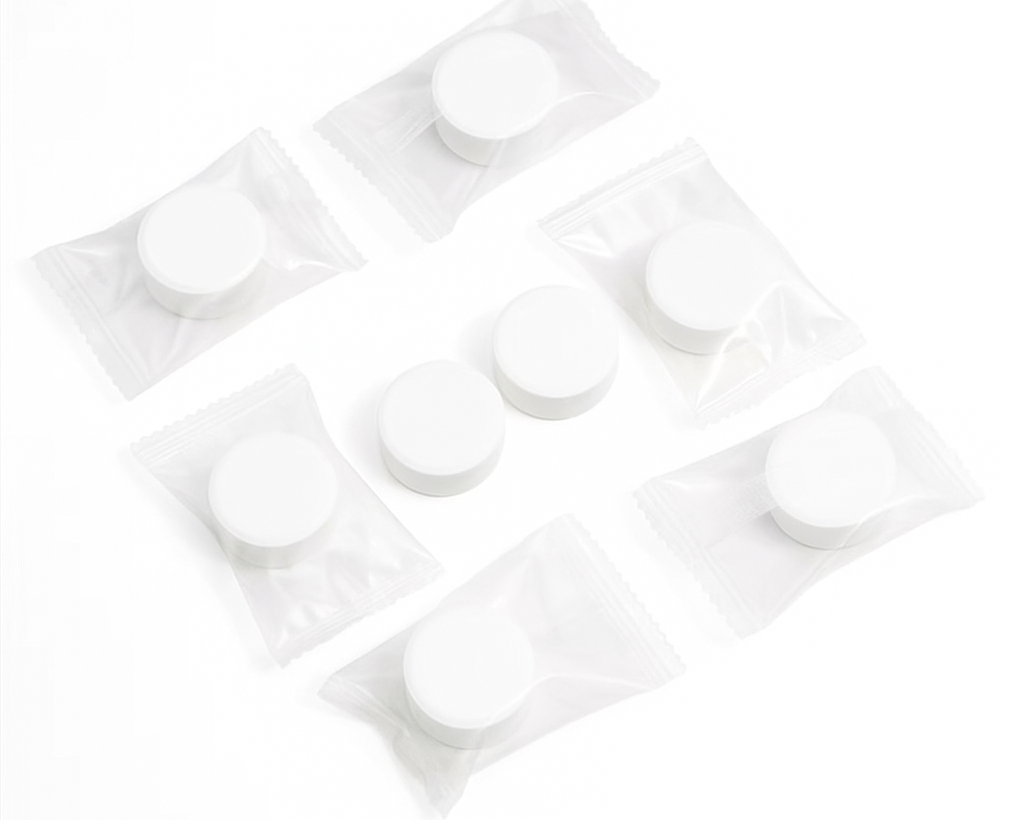
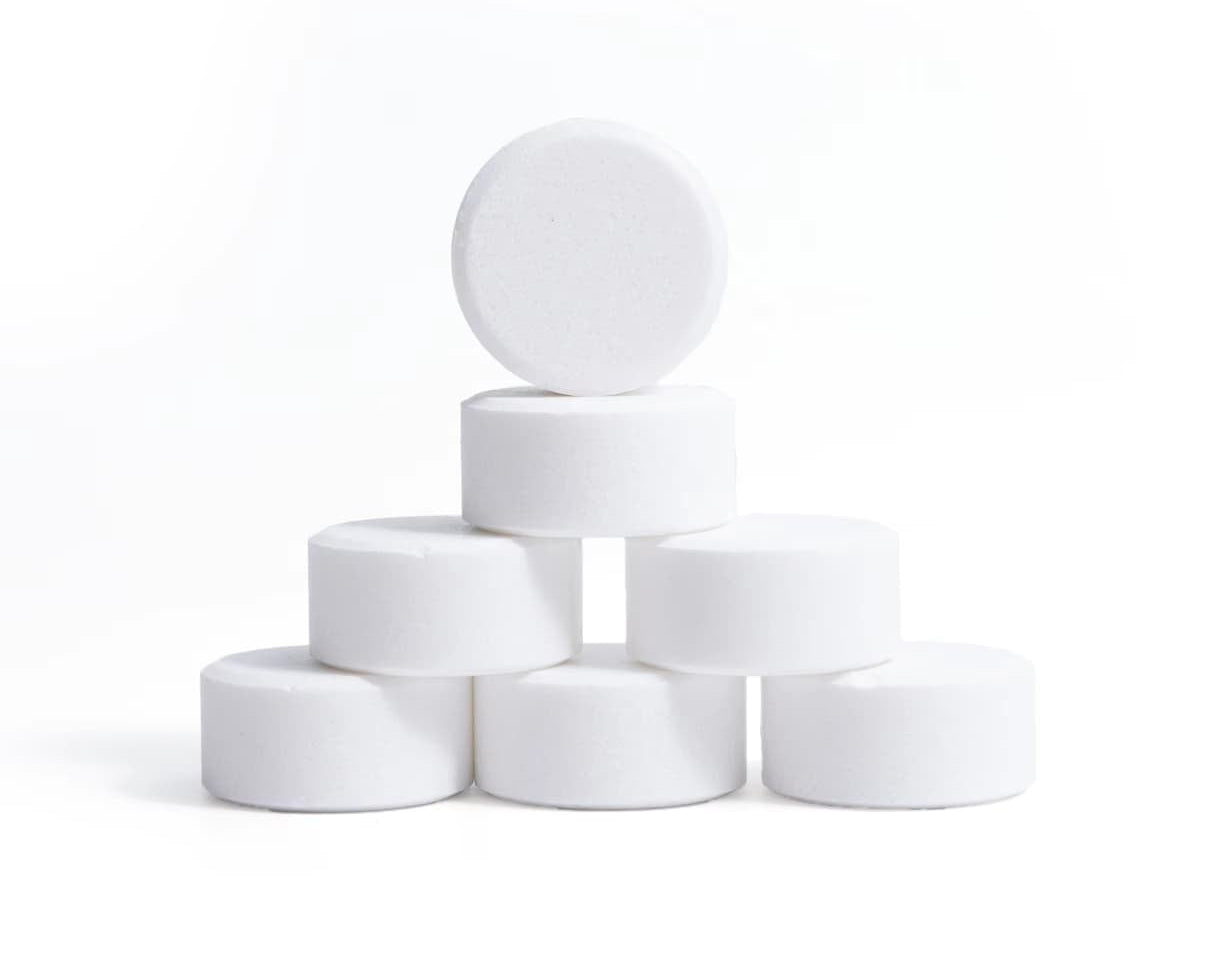
One of the practical reasons Easy Jug Clean works particularly well for outdoor use: tablets travel cleanly. They're shelf-stable, lightweight, take up minimal storage space in an RV cabinet or camping kit, and don't carry the spill-leak risk of liquid cleaners. A pack of 8 tablets fits anywhere, weighs almost nothing, and provides two months of weekly cleanings on a long trip.
✅ Cleaning That Travels Where Your Jug Travels
Tablets, not liquid. Shelf-stable, packable, and dosed for any large container. Two tablets cleans a 5-gallon jug — at home, in your RV, or at any campsite.
FAQ: Outdoor Use Cleaning
Q: Can I use Easy Jug Clean with the variable water sources I encounter on the road?
Yes. The chemistry works in soft, hard, or moderately mineralized water. Hard water actually engages the chelating agents more aggressively, providing extra scale removal — useful for RV use where mineral content varies by region.
Q: My RV has a built-in water tank, not a removable jug. Does this apply?
The cleaning principles are the same, but built-in tanks require RV-tank-specific sanitization protocols (typically using diluted bleach with specific dwell time and rinse cycles). For removable jugs that supplement the built-in tank, Easy Jug Clean is appropriate.
Q: What if my refill source is questionable — campground well water, for example?
Always pre-filter or boil questionable water before storing it in any container. Easy Jug Clean cleans the jug, not the water — it doesn't make unsafe water safe. Stored water safety is a separate problem from container hygiene.
The Bottom Line
Outdoor use of large water bottles introduces variables that home dispenser cleaning protocols don't account for: temperature cycling, source variability, extended dwell, handling damage, and storage challenges. The cleaning method has to be more aggressive in frequency and more reliable in field conditions. The pillar guide covers the home protocol; outdoor use means treating before every refill and cleaning before every storage period.


 Order now — get it by