Can Drinking Water from a Moldy Jug Make You Sick? The Health Risk Breakdown
Can Drinking Water from a Moldy Jug Make You Sick? The Health Risk Breakdown
Reading time: ~6 minutes | Health & Safety Mold Exposure Risk Assessment
Note: This article provides general information for educational purposes and does not constitute medical advice. If you have health concerns related to mold exposure, consult a qualified healthcare provider.
What "Sick from Mold" Actually Means
Mold-related illness covers a wide range of conditions, from mild allergic responses to rare but serious infections. Most public discussion conflates these into a single "mold sickness" concept, which doesn't track the science. The U.S. Centers for Disease Control and Prevention (CDC) describes the health effects of mold exposure as varying significantly by species, exposure level, and individual sensitivity.
For mold in residential water jugs specifically, three categories of health concern apply:
- Allergic reactions — symptoms like runny nose, sneezing, itchy eyes, skin rash, or asthma exacerbation in mold-sensitive individuals.
- Gastrointestinal symptoms — nausea, cramping, or diarrhea following ingestion of contaminated water, particularly with heavier exposures or in sensitive individuals.
- Mycotoxin-related effects — generally low risk at the contamination levels typical of household water jugs, but higher concern for vulnerable populations and certain mold species.
Acute serious illness from drinking water out of a moderately moldy household jug is uncommon in healthy adults. Chronic low-level exposure, allergic responses, and elevated risk in vulnerable populations are the more realistic concerns. The mycotoxin question deserves its own treatment for readers who want depth on that specific topic.
The Species That Matter Most
Different molds carry different health profiles. The species commonly found in residential water containers include:
| Species | Typical Color | Health Profile (General Adults) | Vulnerable Population Concern |
|---|---|---|---|
| Cladosporium | Black, dark green, olive | Common allergen; not usually pathogenic | Asthma, allergy sufferers |
| Penicillium | Blue-green, white | Allergen; some species produce mycotoxins | Immunocompromised, allergy sufferers |
| Aspergillus fumigatus | Yellow-green | Generally benign at low exposure | Immunocompromised: aspergillosis risk |
| Aspergillus niger | Sooty black | Can produce ochratoxins; allergen | Sensitive groups |
| Fusarium | Pink, white, dark | Some species produce mycotoxins | Immunocompromised; eye-contact serious |
| Stachybotrys chartarum | Black | Rare in water jugs; produces mycotoxins | All groups; warrants prompt action |
Most of what shows up in residential water jugs is Cladosporium or Penicillium — common, generally not acutely dangerous to healthy adults at typical exposure levels, but of real concern for sensitive individuals.
Who's at Higher Risk
Three groups face elevated risk from mold exposure and should treat any moldy water jug as a more urgent matter:
Immunocompromised Individuals
People undergoing chemotherapy, organ transplant recipients, individuals with HIV, those on long-term high-dose corticosteroids, and patients with poorly controlled diabetes have reduced ability to clear fungal organisms that healthy immune systems handle without symptoms. Some Aspergillus species can cause invasive aspergillosis in this population — a serious, sometimes life-threatening fungal infection. The threshold for action is lower in this group: any mold exposure warrants immediate elimination, and any concerning symptoms warrant medical consultation.
People with Mold Allergies, Asthma, or Other Respiratory Conditions
Even relatively low-level chronic exposure to mold can trigger allergic responses, asthma exacerbations, and chronic respiratory inflammation in sensitized individuals. Drinking water from a moldy jug introduces both ingestion-route exposure and inhalation exposure (when the water is dispensed and aerosolized). For people with diagnosed mold allergies, even visible mold in a household water source warrants prompt resolution.
Infants, Young Children, and Elderly Adults
Both ends of the age spectrum involve immune systems that are less tolerant of contamination. Infants under one year are at higher risk of GI complications from waterborne contamination generally; elderly adults often have multiple risk factors that compound. Water jug safety for families with infants covers this in more depth.
What the Existing Research Actually Says
The scientific literature on residential water container mold contamination is thinner than the literature on building-environment mold (drywall, HVAC systems). Most of what we know comes from related research on contaminated water systems, fungal growth in plastic containers, and mycotoxin exposure studies.
Key findings that translate to the water jug context:
- The U.S. EPA notes that drinking water in the United States is generally safe but acknowledges that point-of-use contamination (after the water leaves the treatment plant) can introduce health concerns.
- Studies of water dispenser systems have repeatedly documented bacterial and fungal contamination at levels that exceed drinking water guidelines, particularly in dispensers maintained on irregular cleaning schedules.
- Mycotoxin levels in residential mold contamination are typically far below acutely dangerous concentrations, but chronic low-level exposure has been associated with various health effects in some studies — though the research is still evolving.
What to Do If You've Been Drinking from a Moldy Jug
The practical steps:
- Stop using the contaminated water immediately. Don't drink, cook with, or give to pets.
- Discard the water in the jug. The cost of a few gallons is trivial compared to continued exposure.
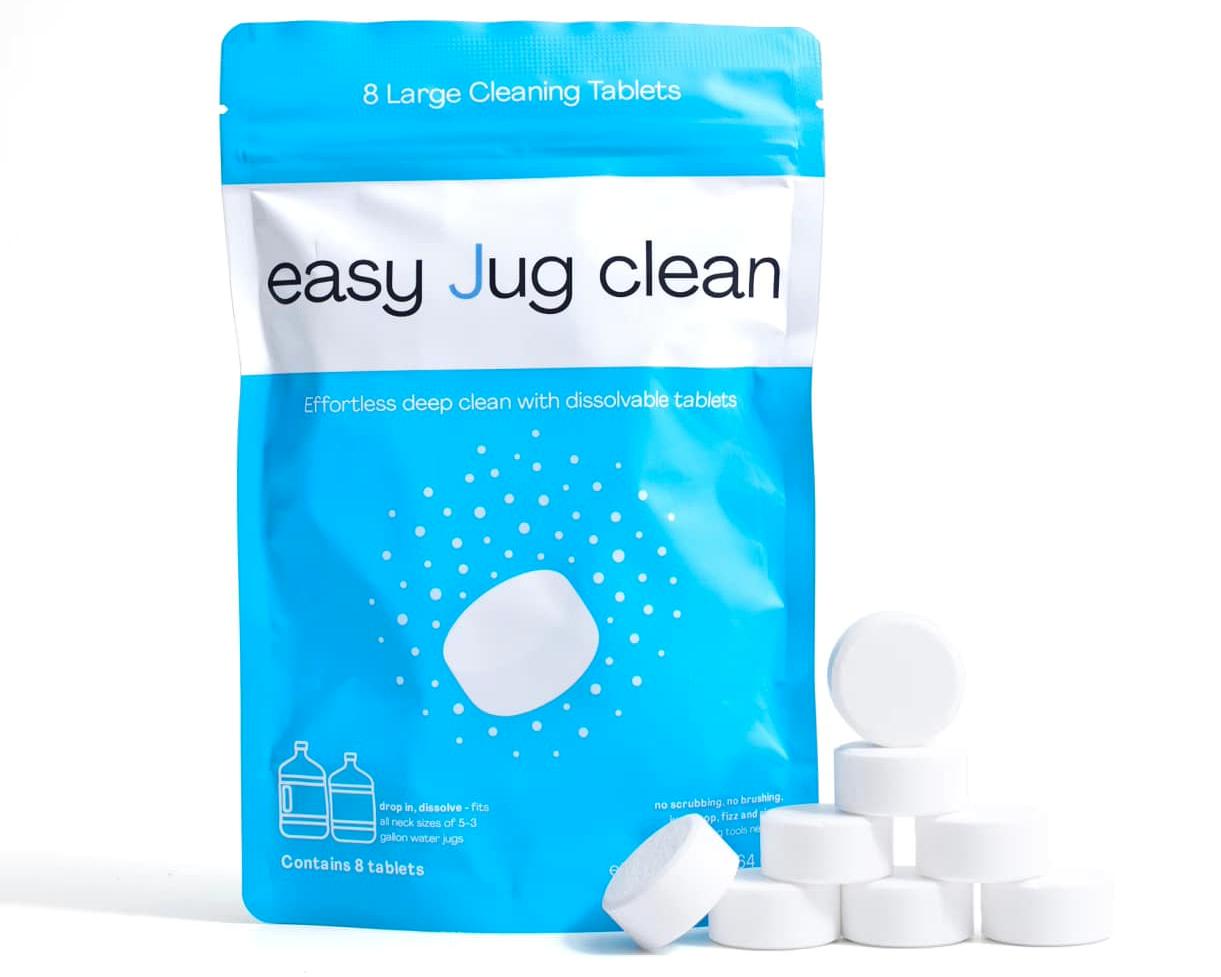
- Treat the jug fully using the mold removal protocol. Two consecutive Easy Jug Clean treatments for first-time mold removal.
- Air-dry the jug fully before refilling.
- If anyone in your household is experiencing symptoms that might relate to mold exposure, especially in the higher-risk groups, consult a healthcare provider. Mention the specific exposure context.
- Establish a regular cleaning schedule to prevent recurrence going forward.
✅ Eliminate the Mold; Address the Health Question Separately
Easy Jug Clean handles the contamination removal. For health symptoms or risk-group concerns, talk to a doctor. Two tablets, 30 minutes for mold, repeat for first-time treatment.
FAQ: Mold Exposure and Health
Q: My family has been drinking from a moldy jug for weeks and we're all fine. Should I still be worried?
If no one is symptomatic, the immediate health concern is low. Stop using the jug now, treat it, and don't continue exposure. Mention the exposure to a doctor at the next routine visit if anyone is in a higher-risk group.
Q: Can mold in my water jug cause long-term health effects?
Chronic low-level mold exposure has been associated with chronic respiratory issues, allergic sensitization, and (in some studies) other effects, but the research isn't fully settled and individual outcomes vary widely. The conservative response is to eliminate the exposure source promptly and not extend it.
Q: I'm pregnant — is mold in my water jug a special concern?
Pregnant individuals should treat any potentially harmful exposure conservatively. Talk to your obstetric provider about the specific situation, including how long the exposure may have been ongoing and what species (if known) was involved.
Q: Can mold spores survive being boiled in water?
Boiling water for at least one minute kills most mold spores and bacteria. However, boiling doesn't eliminate mycotoxins, which can remain after the mold itself is dead. Boiling is a partial measure for emergency contamination response — it's not a substitute for cleaning the container itself.
The Bottom Line
Drinking water from a moldy jug is a situation to fix promptly, not panic about — for most healthy adults, at typical contamination levels. For immunocompromised individuals, allergy sufferers, infants, and the elderly, it's a more urgent concern that may warrant medical attention if symptoms have developed. Eliminate the contamination, prevent recurrence, and consult a doctor if anyone is symptomatic. The cleaning is straightforward; the medical question, when it applies, belongs with a healthcare provider.


 Order now — get it by