Does Your Cleaning Method Damage Plastic Water Jugs Over Time?
Reading time: ~6 minutes | Plastic Damage Cleaning Methods Long-Term Safety
How Cleaning Methods Damage Plastic: Three Mechanisms
Plastic degradation from cleaning falls into three distinct categories, each with different long-term consequences:
- Mechanical abrasion — physical scratching from bristles, abrasive particles, or rough materials that create micro-fractures in the surface layer
- Chemical oxidation — oxidizing agents that attack polymer chains, breaking them down and creating brittleness, crazing, and increased surface porosity
- Acid/base attack — repeated exposure to strongly acidic or alkaline substances that cause hydrolysis of the ester bonds in some plastic types
Method-by-Method Damage Assessment
❌ Bottle Brush — Damage Rating: HIGH
Every brush cleaning session creates microscopic scratches in the plastic surface. These micro-abrasions are invisible to the naked eye but structurally significant — they increase effective surface area, create recesses that trap bacteria and minerals, and reduce the surface energy that helps water and cleaning solutions bead off cleanly. Studies on repeated mechanical cleaning of food-grade plastics show measurable surface roughness increase after as few as 10 cleaning cycles with standard bristle brushes. After 50+ cycles (less than a year of weekly cleaning), the interior surface is fundamentally rougher than when new — and will remain that way regardless of subsequent cleaning chemistry.
❌ Household Bleach — Damage Rating: HIGH
Sodium hypochlorite is a strong oxidizer. Its disinfecting mechanism — oxidizing bacterial cell membranes — applies equally to polymer chains in plastic. Polycarbonate is particularly vulnerable, with documented yellowing, embrittlement, and crazing under repeated bleach exposure. HDPE is more resistant but not immune. Bleach-accelerated degradation increases the migration of residual monomers and plasticizers from the plastic matrix into the water — exactly what you're trying to avoid by drinking from a "safe" plastic container. Each bleach treatment moves the jug further down the degradation timeline than time alone would.
⚠️ White Vinegar — Damage Rating: LOW-MODERATE
Acetic acid at 5% concentration is a weak acid with relatively low damage potential for the plastics used in 5 gallon jugs. Short-exposure cleaning soaks cause minimal direct polymer chain damage. The risk increases with frequency and concentration — very regular vinegar soaks on polycarbonate can cause minor surface haze over time, and the acid residue that remains in a narrow-neck container extends the contact time beyond the intended soak. Generally, vinegar is less damaging to plastic than bleach or brushes — it's just also largely ineffective at its primary supposed purpose.
⚠️ Dish Soap — Damage Rating: LOW
Standard dish soaps are pH-neutral to mildly alkaline and cause minimal direct plastic degradation. The concern with dish soap is less about material damage and more about residue — surfactant polymers that cling to the plastic surface and require mechanical energy to remove, which is difficult in a narrow-neck jug. The soap itself doesn't damage the jug; the inadequate rinsing and the additional scrubbing it encourages (which does damage the surface) are the indirect harm pathways.
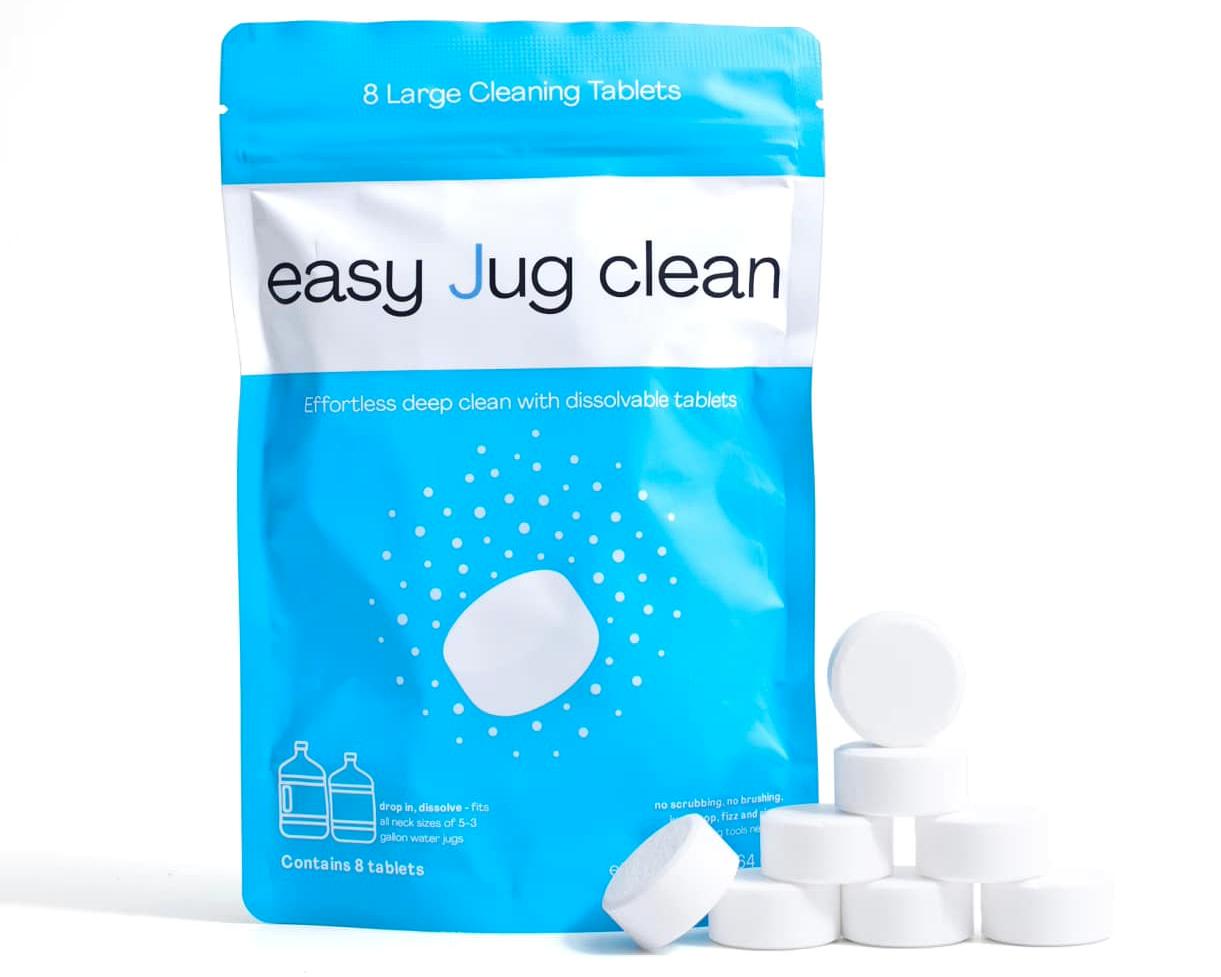
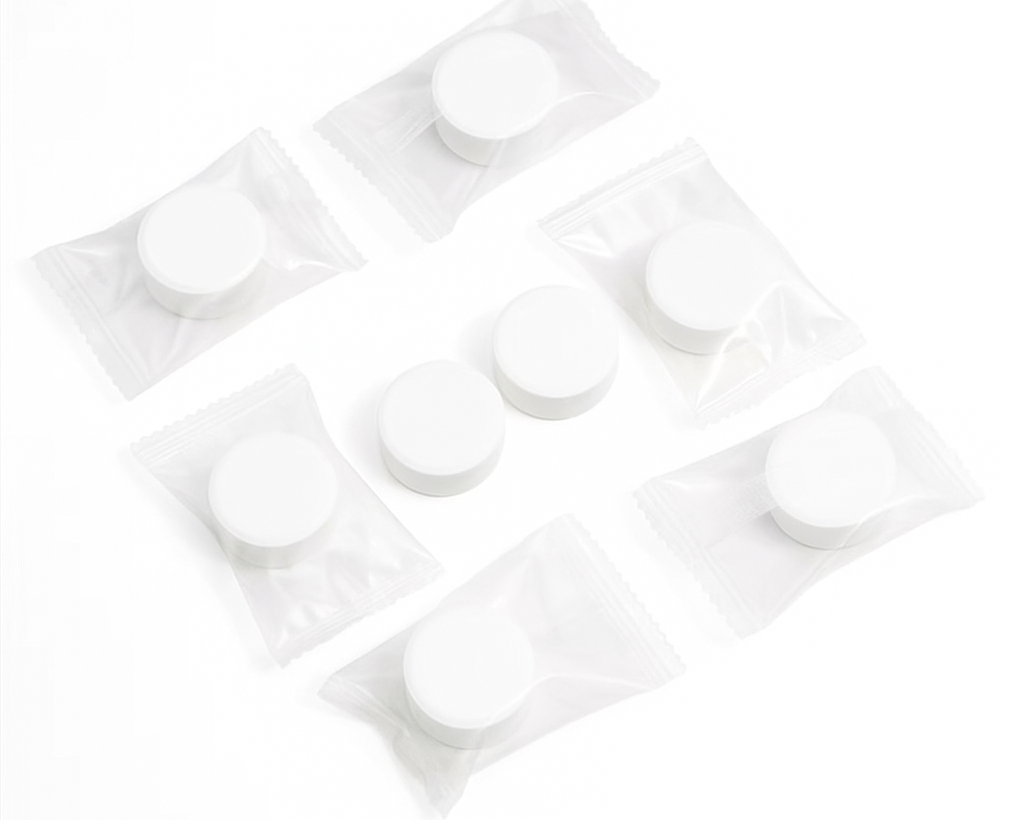
✅ Easy Jug Clean Tablets — Damage Rating: NONE (Protective)
Easy Jug Clean's formula contains glycerin — a surface conditioner that actively maintains plastic and glass surface integrity after the active cleaning chemistry completes its work. The active oxygen from sodium percarbonate operates at a lower oxidative potential than chlorine bleach, achieving sanitization without the polymer chain attack that bleach causes. The chelating agents dissolve mineral deposits chemically rather than abrasively. The result is a cleaning protocol that leaves the jug surface in equal or better condition than it was before treatment — not progressively worse.
Bleach and abrasive brushes both degrade polycarbonate over time. A method that's safe for the plastic long-term is one that cleans without chemical or physical damage.
Long-Term Damage Comparison
| Method | Surface After 1 Month | Surface After 6 Months | Surface After 2 Years |
|---|---|---|---|
| Bottle brush (weekly) | Minor scratching | Noticeable roughness increase | Significant abrasion; permanent bacteria traps |
| Bleach (weekly) | Minimal change | Early polymer degradation; slight yellowing | Brittleness; crazing; increased chemical migration |
| Vinegar (weekly) | No change | Minor surface haze possible | Minimal structural damage |
| Easy Jug Clean (weekly) | Same as new; glycerin conditioning applied | Surface maintained; no degradation | Jug in better condition than brush-cleaned equivalent |
See how Easy Jug Clean cleans a 5 gallon water jug in 20 minutes — no scrubbing required:
✅ Clean Better. Protect Your Jug. Drink Safely for Years.
Easy Jug Clean's food-grade formula cleans without degrading — and the glycerin surface conditioner actively protects your jug's plastic with every treatment.
Frequently Asked Questions
Q: My jug is already scratched and degraded — is it worth cleaning properly now?
Yes, always. A scratched jug requires more thorough cleaning because bacteria attach more firmly to rough surfaces — but Easy Jug Clean's active oxygen chemistry handles this effectively. The active oxygen penetrates the micro-recesses that sheltered bacteria in the rough surface. Switching to a non-damaging cleaning method also stops further degradation from that point forward, extending the jug's usable life.
Q: How do I know if my jug has been bleach-damaged?
Signs of bleach-induced plastic degradation include visible yellowing or browning, fine surface cracks (crazing) visible in raking light, a brittle or stiff feel compared to when new, and a persistent chemical smell that doesn't clear with rinsing. If these signs are present, consider replacing the jug — a degraded plastic surface cannot be rehabilitated, and the increased chemical migration from damaged polymer chains is a real concern.


 Order now — get it by