How Summer Heat Changes Your Water Jug Cleaning Schedule
Reading time: ~7 minutes | Summer Cleaning Seasonal Schedule Bacterial Growth
How Summer Heat Changes Your Water Jug Cleaning Schedule
The Temperature-Bacterial Growth Connection
Bacteria don't reproduce at a constant rate. They follow an exponential growth curve, and temperature is one of the most powerful variables controlling that rate. Microbiologists use a principle called the Arrhenius equation, which roughly states that for every 10°C (18°F) increase in temperature, bacterial growth rate approximately doubles.
What does this mean in practical terms?
If you're maintaining your water jug on a weekly cleaning schedule in January when your home stays at 68°F, that same schedule in July at 78°F means bacteria are reproducing roughly twice as fast. By mid-summer when indoor temperatures can reach 72-75°F in air-conditioned homes (and much higher in non-air-conditioned spaces), the doubling accelerates further.
The cold doesn't kill bacteria; it just slows their reproduction dramatically. The heat doesn't create new types of contamination; it simply speeds up the population explosion of bacteria already present.
In summer months, the cleaning interval should shorten, but the method stays the same. If you're not already using the complete jug cleaning method, summer is the time to upgrade.
Summer Exposure: Direct Sunlight and Storage Conditions
Temperature isn't the only summer factor at play. Storage location matters tremendously:
- Garage storage: Many households keep spare water jugs in the garage. Summer garage temperatures can reach 85-95°F, even with the door closed. A jug stored there for several hours before installation experiences dramatically accelerated colonization.
- Car transport: If you pick up water jugs and transport them in your car during summer, the interior of the vehicle can exceed 100°F on hot days. The jug spends 20-30 minutes in extreme heat before reaching home.
- Direct sunlight exposure: Sunlight doesn't just add heat; UV rays can actually damage the plastic and create an environment where certain types of algae thrive, adding an additional layer of green biofilm.
- Dispenser placement: If your dispenser sits near a window or in a sunny kitchen corner, the ambient temperature of the jug and its environment is consistently elevated during summer months.
Each of these factors contributes to a warmer environment where bacterial growth accelerates beyond your weekly baseline.
Why Your Jug Gets "Dirty" Faster in Summer
Customers often report that their water smells or tastes "off" by day 5-6 of summer, whereas in winter the same jug would be fine through day 7. This isn't a coincidence. The biofilm formation and bacterial population growth that takes 7 days in winter is compressed into 5 days in summer.
This acceleration happens because:
- Faster bacterial division: Mesophilic bacteria (the type that thrives in room-temperature water) reproduce fastest between 77-86°F. Many summer indoor environments fall right into this "sweet spot" for bacterial growth.
- Increased metabolic activity: Warmer bacteria don't just divide faster; individual cells are more metabolically active, producing more waste products that degrade water quality and taste.
- Biofilm development acceleration: The adhesive biofilm matrix grows faster at warmer temperatures. What might take 3 weeks to form at 65°F forms in 2 weeks at 75°F.
- More frequent use: Summer often brings increased water consumption (more cold water demand). More frequent dispensing means the water in the jug spends less time flowing, allowing stagnant zones where bacteria concentrate.
The result: your weekly cleaning schedule, which was adequate in winter, is now insufficient by summer.
The Summer Cleaning Schedule Adjustment
Here's how to adjust your routine for summer:
| Season | Typical Home Temp | Recommended Jug Cleaning Frequency | Dispenser Spigot Cleaning |
|---|---|---|---|
| Winter (Nov-Feb) | 68-70°F | Every 7-10 days | Weekly |
| Spring (Mar-May) | 70-74°F | Every 7 days | Weekly |
| Summer (Jun-Aug) | 75-78°F (AC homes) or 80°F+ (non-AC) | Every 5-6 days | Twice weekly |
| Fall (Sep-Oct) | 72-74°F | Every 7 days | Weekly |
If your home is not air-conditioned or you live in a region where summer temperatures regularly exceed 85°F indoors, you may need to clean even more frequently—possibly every 4-5 days or even twice weekly for the jug itself.
Storage Strategy: Reducing Summer Heat Exposure
Beyond adjusting your cleaning frequency, you can also reduce the heat exposure to your water jugs:
The Dispenser in Summer Heat
The dispenser itself also experiences accelerated contamination in summer. The internal reservoir temperature rises along with the room temperature, promoting faster biofilm formation on internal surfaces.
Your quarterly deep-clean of the dispenser's internal reservoir might need to shift to every 8 weeks during peak summer, and you should absolutely increase spigot and nozzle cleaning to twice weekly. These are the external contact points where bacterial concentrations are highest.
Additionally, the drip tray (which collects spilled water) becomes a warm, moist environment perfect for microbial growth. Empty and rinse it daily during summer, not just weekly.
Why Weekly Cleaning Isn't Actually Weekly in Summer
Many people assume their routine is "weekly cleaning" year-round. But if you clean on Sunday and wait until the following Sunday, that's 168 hours. However, in summer, the bacterial load at day 5 is roughly equivalent to the bacterial load at day 7 in winter. You're achieving your "weekly clean" 2 days late from a microbial perspective.
The solution is to shift from a calendar-based schedule to a biology-based schedule that accounts for seasonal variation.
Making Summer Cleaning Sustainable With Easy Jug Clean
The challenge with a more frequent summer schedule is that it requires more effort. If manual brushing takes 30 minutes per jug, doubling your frequency means an extra 2-3 hours of work per month. That's not sustainable for most households.
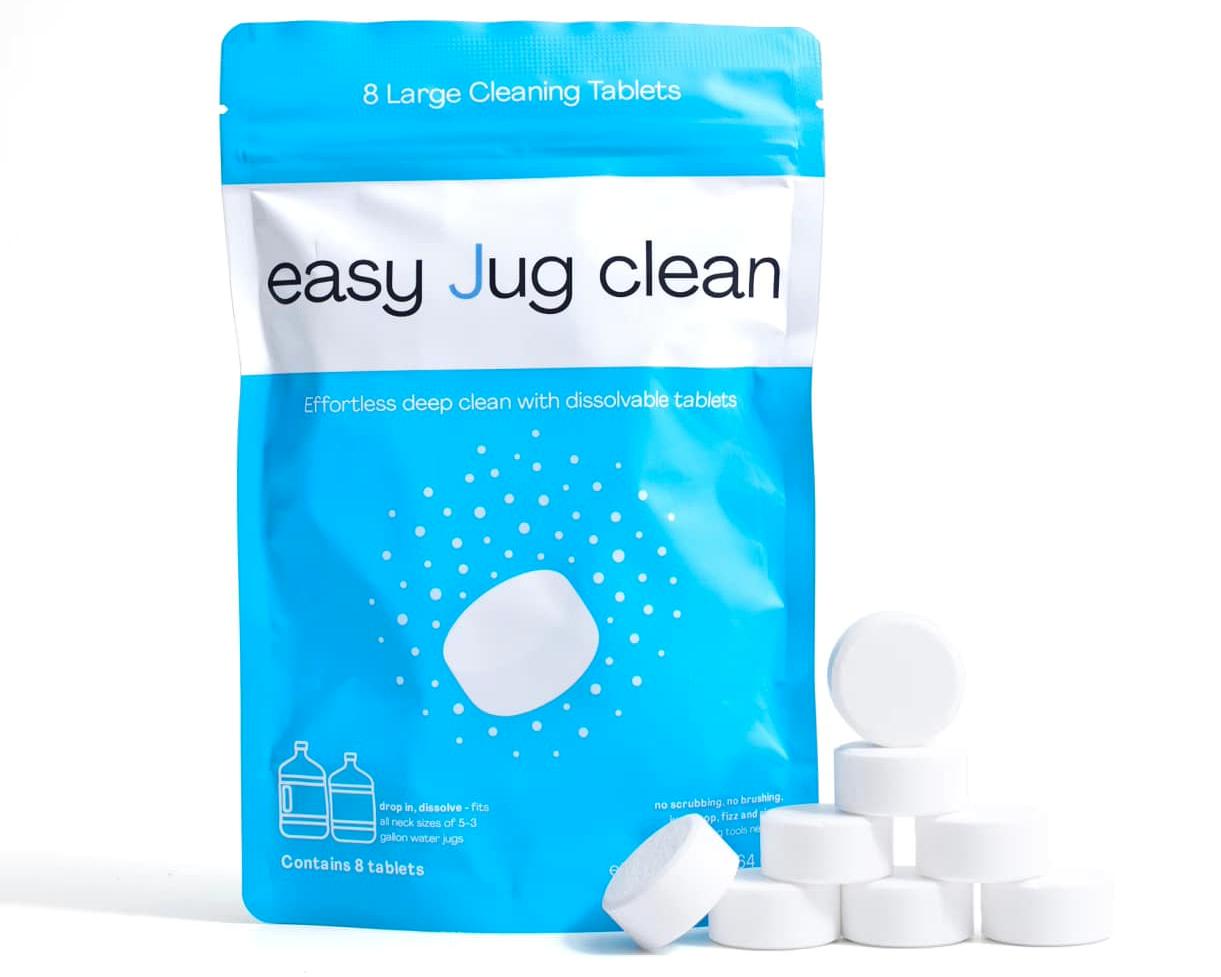
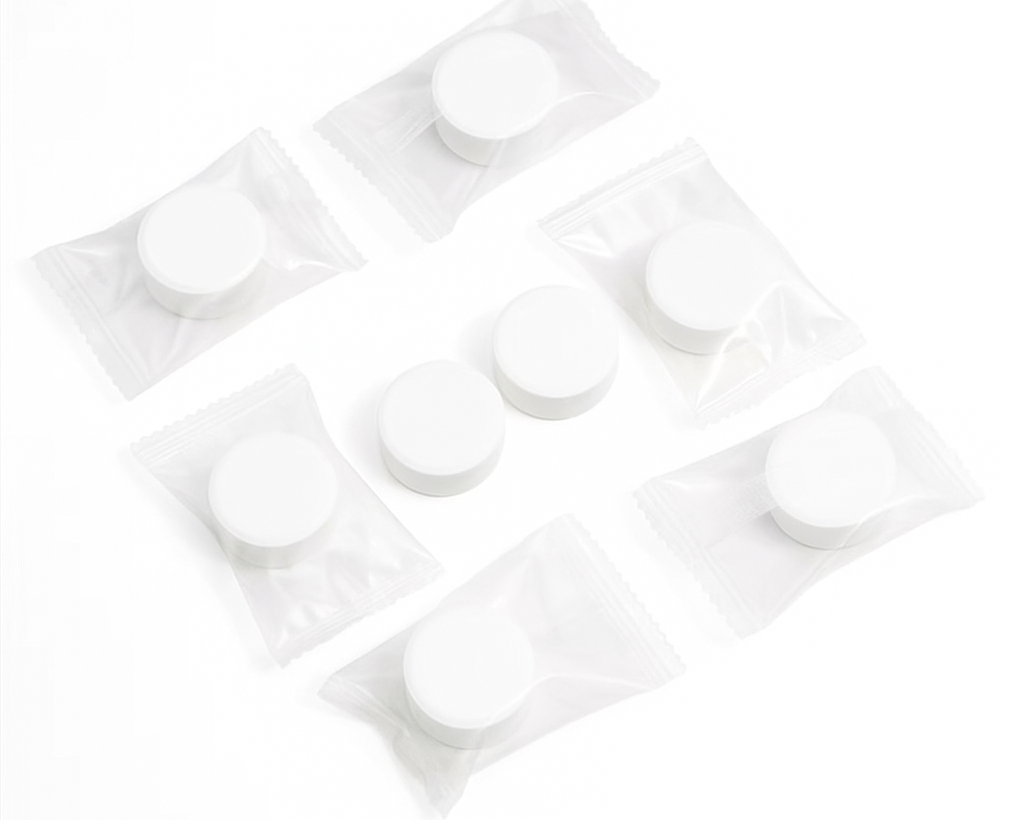
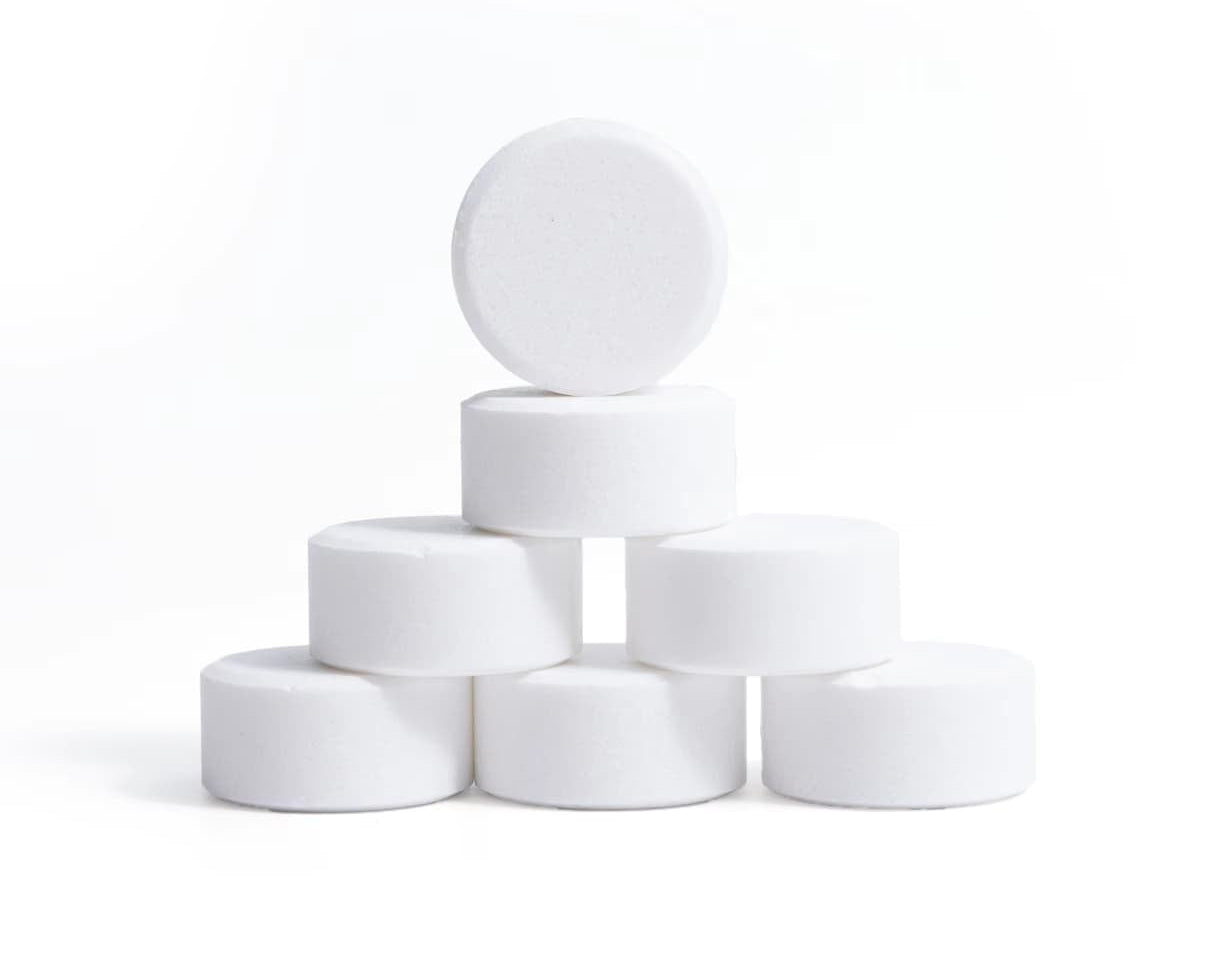
Easy Jug Clean tablets solve this problem. Because the fizzing, self-distributing action requires zero active labor (you simply drop in two tablets and wait 20 minutes), increasing frequency doesn't increase burden.
You can clean your jug every 5 days instead of every 7 without adding significant time to your routine. The tablets work while you do something else. This makes summer's increased biological demand actually manageable.
At for 8 tablets, even if you're cleaning twice as frequently in summer, the monthly cost is modest—far less than the cost of potential health impacts or water quality issues from under-cleaning.
FAQ
Q: Does refrigerated water stay cleaner than room-temperature water?
A: Yes, to a degree. If your jug is installed on a cooler-style dispenser that chills the water to 40-45°F, bacterial growth slows significantly. However, the jug itself still warms up to room temperature during storage and between uses. Cold dispensing helps but doesn't eliminate the need for cleaning.
Q: What if I keep my home at 72°F year-round with air conditioning?
A: Even so, you should adjust slightly during summer because outdoor heat increases the rate at which your AC has to work and because the dispenser location may still be warmer than the central temperature (especially if it's in the kitchen away from AC vents). A shift from weekly to every 5-6 days is still recommended.
Q: Does heat kill bacteria or just make them grow faster?
A: Heat accelerates growth up to a point (bacteria actually die if temperatures exceed ~120°F). Room-temperature summer heat (75-85°F) is in the optimal growth zone, not the lethal zone. This is why summer is a contamination challenge, not a sterilization opportunity.
Q: Should I clean my dispenser more frequently too?
A: Yes, especially the spigots, nozzles, and drip tray. Shift from weekly to twice-weekly cleaning of these contact points. The internal reservoir quarterly clean might shift to every 8 weeks during summer months.
Related Reading
Heat accelerates growth. Ease makes frequency possible.
✅ Stay Ahead of Summer Bacterial Growth
Easy Jug Clean lets you shift to a 5-6 day summer cleaning schedule without added time or effort. Two tablets, 20 minutes, and your jug stays clean through the hottest months. No brushing, no guessing, no skipped cleanings.


 Order now — get it by