How to Convince Your Office Manager to Actually Clean the Water Cooler Jug
Reading time: ~7 minutes | Office Manager Workplace Hygiene Water Cooler Policy
How to Convince Your Office Manager to Actually Clean the Water Cooler Jug
Why Office Managers Avoid Water Cooler Cleaning
Before you make your pitch, understand the barriers from your manager's perspective:
- Out of sight, out of mind: The cooler is in the break room. Unless the manager uses it daily, they don't think about it.
- They assume someone else is doing it: "Isn't the delivery service responsible?" or "Doesn't the cleaning crew handle it?"
- They perceive it as complicated: If they think cleaning requires special chemicals, equipment, or training, they'll deprioritize it.
- They don't know the health/liability angle: Without education about contamination risk, water quality seems unimportant compared to visible problems.
- They think it's expensive: If they imagine needing to hire a specialist or buy complicated equipment, it jumps up in cost priority.
Your pitch needs to address all three barriers: awareness, simplicity, and cost.
The Business Case: Three Angles That Work
Angle 1: Employee Health & Sick Days (The Emotional Pitch)
Frame it this way: "Our water cooler hasn't been cleaned in [X weeks/months]. Contaminated water can cause gastrointestinal illness and respiratory issues. If one employee gets sick from the cooler, they're out for 3–5 days, others might follow, and we're losing productivity. Plus, we're liable if an employee gets sick from a water system we provide."
Why this works: Managers care about employee health (it's the right thing) and they care about productivity loss. Sick days have a measurable business cost. Frame it as prevention.
The evidence: Point out that neglected water coolers develop biofilm and bacterial populations. Reference the actual method for sanitizing water cooler jugs—it shows that rinsing alone doesn't work. Real cleaning is necessary.
Angle 2: Duty of Care & Liability (The Legal Pitch)
Frame it this way: "As an employer providing drinking water, we have a Duty of Care to maintain it safely. If an employee gets sick and can prove it came from our contaminated cooler, we have liability exposure. The solution is simple and inexpensive—regular cleaning removes that liability risk."
Why this works: Managers hate legal liability. Even a small liability exposure gets attention when framed correctly. This isn't fear-mongering; it's true. Employers do have Duty of Care obligations for facilities they provide.
The evidence: You don't need an attorney—just mention that providing potable water without maintaining it is a liability exposure. Most managers will take you seriously.
Angle 3: The Cost is Negligible (The Financial Pitch)
Frame it this way: "A high-quality water cooler jug cleaner costs about $5 for 8 tablets. Cleaning takes 20 minutes. That's maybe $5 per month in supplies and minimal labor. Compare that to one employee's sick day ($200+ in lost productivity), and the math is obvious."
Why this works: Managers understand cost-benefit analysis. When they realize it's cheaper to prevent the problem than to absorb the cost of sick employees, they move fast.
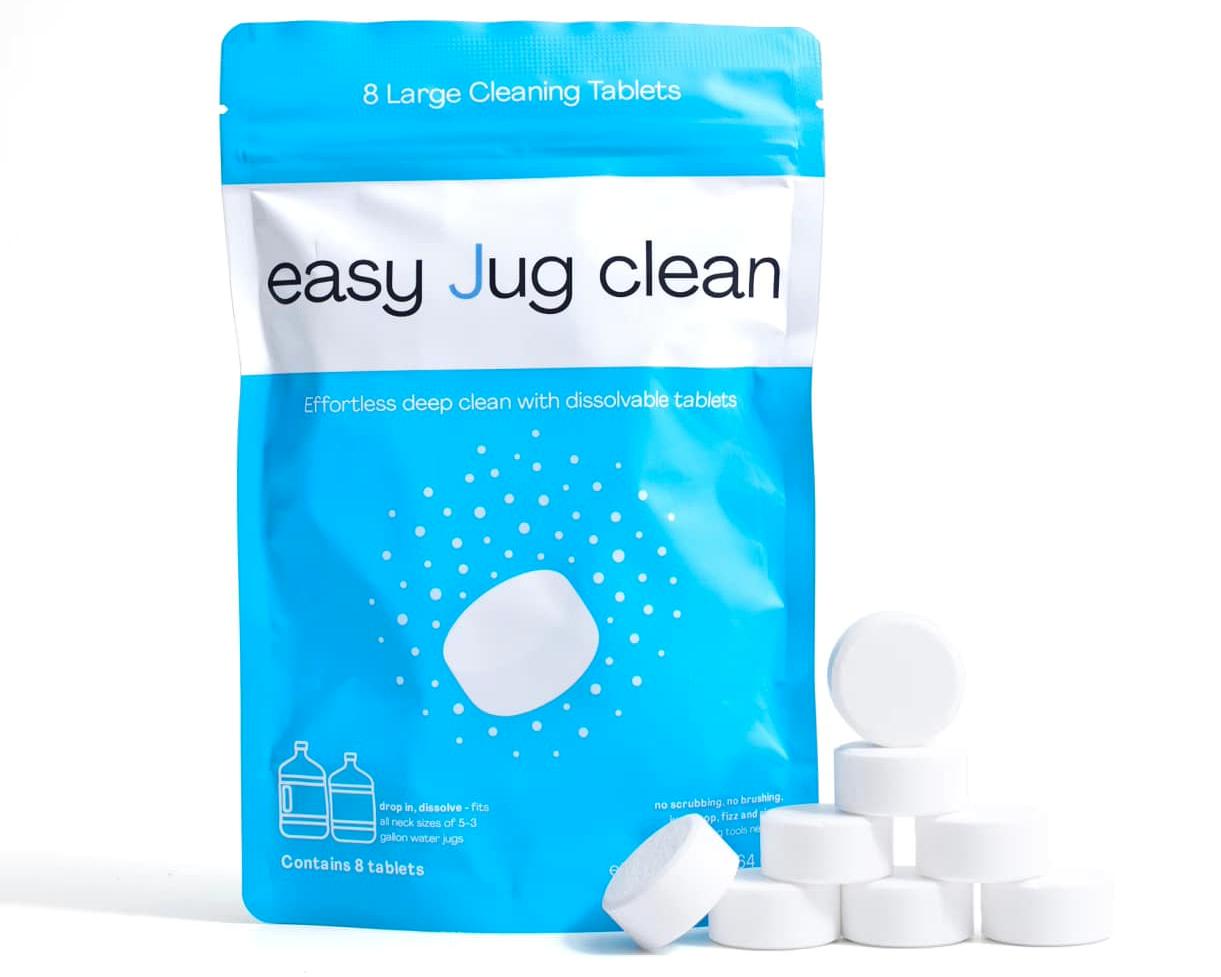
The evidence: A complete water jug cleaning guide shows that Easy Jug Clean tablets at for 8 tablets make this one of the cheapest preventive maintenance items in the office.
The Zero-Friction Solution Pitch
Now that you've made the case for *why*, present the solution for *how*:
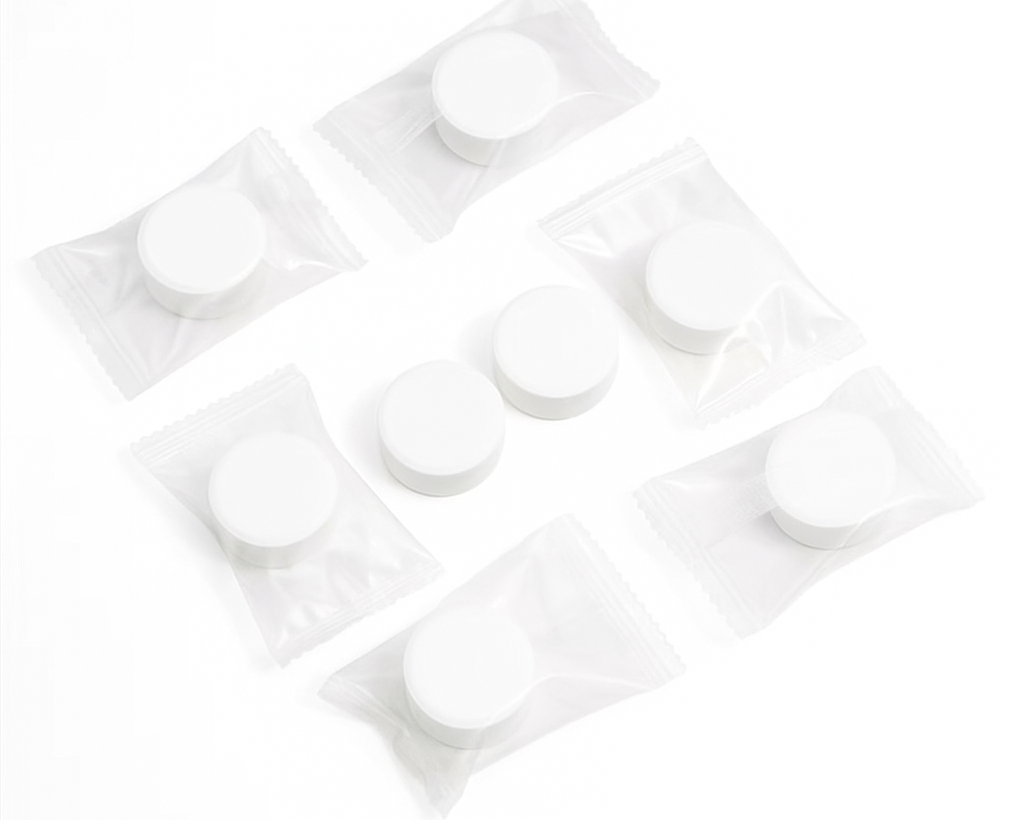
The pitch: "I found a solution that takes 20 minutes and no special equipment. Easy Jug Clean tablets dissolve in water, no fumes, no safety concerns, no training required. Anyone can do it. We just drop 2 tablets in, wait 20 minutes, rinse, and we're done. The cost is per cleaning cycle, or about $5 per month if we do it weekly."
Why this matters: Friction kills good intentions. If cleaning required PPE, ventilation, or training, your manager would deprioritize it. By removing all friction—no equipment, no procedure, no cost—you make it something anyone can do, which means it actually *will* get done.
How to Position Easy Jug Clean Specifically
Your manager might say, "Can't we just use vinegar? Or bleach?"
Have answers ready:
- Vinegar: "Vinegar is weak. It doesn't sanitize effectively. The whole point is to eliminate contamination, not just smell better."
- Bleach: "Bleach works but creates fume hazards in the break room and requires PPE. Easy Jug Clean is food-grade, zero fumes, and anyone can use it safely."
- Generic tablets: "I checked reviews and reliability. Easy Jug Clean specifically formulates for water jug sanitization. It's food-grade and proven."
The key message: Easy Jug Clean removes every barrier to actually doing the cleaning consistently.
The Email Template: What to Actually Send
Don't just have a conversation. Send an email. It gives your manager something to reference and shows you're serious. Here's a template to adapt:
Tips for Sending the Email
- Keep it short. One screen, max. Busy managers don't read long emails.
- Use bullet points. Makes it scannable.
- Lead with the problem. Health risk + liability = manager's attention.
- Center the solution on simplicity & cost. Manager wants to know it's easy and cheap.
- End with a clear ask. "Can we do this?" or "Should we move forward?" Make it a yes/no question.
- Offer to help. Reduces friction further. "I can do the first one" removes any remaining barrier.
If Your Manager Says No (And How to Overcome It)
"We don't have budget for this."
Response: "It's $5 per month. That's $60 per year. One employee's sick day costs more. This is preventive—it saves money."
"The delivery service should handle it."
Response: "I called them. They deliver water, but cleaning is our responsibility. We'd need to hire them separately and it would cost much more. Easy Jug Clean makes it simple for us to handle in-house."
"Nobody's gotten sick yet, so it's probably fine."
Response: "Biofilm builds silently. By the time someone gets sick, it's established. We'd rather prevent it. Plus, liability-wise, we're better off with documentation that we're maintaining the cooler."
"This seems like overkill."
Response: "20 minutes once a week. That's less time than a coffee break. And the cost is literally $5. What's the risk/benefit of not doing it?"
Making It Sustainable: The Rotation System
Once you've convinced your manager to start, the real challenge is keeping it consistent. Propose a rotation system:
- Assign 1–2 people per week to handle the cleaning (or rotate it across the team).
- Set a calendar reminder (every Friday, for example).
- Keep Easy Jug Clean tablets in the break room so it's never "out of supplies."
- Track it on a sign-up sheet so people know whose turn it is and it's documented.
A rotation system removes the burden from your manager and makes it a shared office responsibility. This is how you get consistency.
Ready to Pitch Water Cooler Cleaning?
Easy Jug Clean makes the case simple: food-safe, zero fumes, for 8 tablets. Use the template above and your manager will understand it's both necessary and practical.
Get Easy Jug Clean – for 8 tablets
Watch how Easy Jug Clean makes office jug cleaning effortless:
FAQ: Getting Buy-In From Management
What if the office manager is defensive about this?
Frame it as a solution, not a criticism. You're not saying "You're bad at your job." You're saying "I found an easy way to solve a problem. Want to implement it?" Managers respond better to collaborative problem-solving than blame.
Should I go over my manager's head?
No. Start with your direct manager. If they reject it, you can escalate to HR or facilities, but start with the person who has authority over the decision.
What if multiple employees get sick?
Document it. If you can link illness to the contaminated cooler, that becomes a much stronger case. But ideally, you prevent this by acting early.
Can I just start cleaning the cooler without permission?
You *can*, but it's better to have official buy-in. Once you have that, the company owns the responsibility and it becomes part of standard maintenance. If you do it on your own, it might stop when you get busy.
What do I do if the office manager agrees but then doesn't follow through?
Offer to do it yourself or lead the rotation. Frame it as "I'll make sure we stay consistent." This puts you in the driver's seat and ensures it actually happens.
The Larger Point: Health Advocacy in Your Workplace
Getting your office to clean the water cooler isn't just about the cooler. It's about establishing that your workplace cares about employee health. A manager who responds to this pitch is the kind of manager who'll also listen to other health and safety concerns.
Use this conversation as a template for other workplace health issues. Same formula: make the business case (health + liability + cost), present the solution (simple + low-friction), and follow up consistently.


 Order now — get it by