Large Water Bottle Cleaning for Disaster Preparedness: Stored Water That Stays Drinkable
Reading time: ~6 minutes | Disaster Prep Long-Term Storage Emergency Water
The Long-Term Storage Cleaning Problem
Stored water has all the contamination risks of a normally-used dispenser jug, intensified by time. Biofilm has months or years to mature on the interior walls. Mineral scale has the same time to deposit. Anaerobic zones develop fully. Any bacterial population introduced during the initial fill compounds without ever being reset. By the time you actually need the water — during a disaster — it may have a microbial profile that's worse than what you'd find in a stagnant rain barrel.
The solution isn't more aggressive treatment after storage. It's proper preparation before storage and periodic rotation during storage.
The Three Stages of Emergency Water Container Hygiene
Stage 1: Pre-Fill Sanitization
Before storing any water for emergency use, the container must be thoroughly sanitized. A new container needs initial sanitization to remove manufacturing residues. A used container needs full removal of any biofilm or scale from previous service.
Protocol: Two Easy Jug Clean tablets in 1.5–2.5 gallons of warm water. Soak 30 minutes (longer than routine cleaning, since this is the foundational treatment). Rinse three times with clean water. Air-dry fully — at least 24 hours for emergency-prep storage, since any residual moisture compounds during the storage period.
Stage 2: Filling and Initial Storage
Fill with the cleanest source water available — typically treated municipal water at the tap. EPA guidelines for emergency water include adding a small amount of unscented chlorine bleach (typically 1/8 teaspoon per gallon, or 8 drops per gallon) to provide initial residual chlorine that suppresses bacterial growth during storage. This is one of the few legitimate uses of bleach in water container hygiene — at the right dose, in fresh water, for storage.
Cap tightly. Label with fill date. Store in a cool, dark location away from petroleum products, pesticides, and direct sunlight (UV degrades plastic and photolyzes residual chlorine).
Stage 3: Periodic Rotation
Stored water doesn't last forever even in ideal conditions. Recommendations vary, but the consensus is to rotate every 6 months for residential disaster prep stores. At rotation:
- Drain the stored water (or use it for non-drinking purposes if it tastes acceptable).
- Run a full Easy Jug Clean treatment on the empty container.
- Inspect for any persistent issues — mineral scale, mould spots, plastic discoloration.
- Refill with fresh tap water and bleach drops as in Stage 2.
- Re-label with the new fill date.
The Emergency Water Storage Comparison
| Storage Approach | Container Cleaned First? | Periodic Rotation? | Result After 1 Year |
|---|---|---|---|
| "Just fill the jug and put it in the basement" | No | No | Significant biofilm; questionable potability |
| Rinsed before fill, no rotation | Surface only | No | Reduced but real biofilm; off-taste |
| Sanitized before fill, no rotation | Yes | No | Slow biofilm formation; usable but not optimal |
| Sanitized before fill, rotated 6mo | Yes | Yes | Stable; reliably drinkable when needed |
| Sanitized + bleach drops + rotated | Yes | Yes | Best practice; fully reliable |
What Happens to Neglected Stored Water
The Cleaning Tools to Have on Hand for Disaster Prep
An emergency preparedness kit should include the cleaning tools needed to maintain stored water and to sanitize containers if you need to fill new ones from disaster-source water (after appropriate treatment). For water container hygiene specifically:
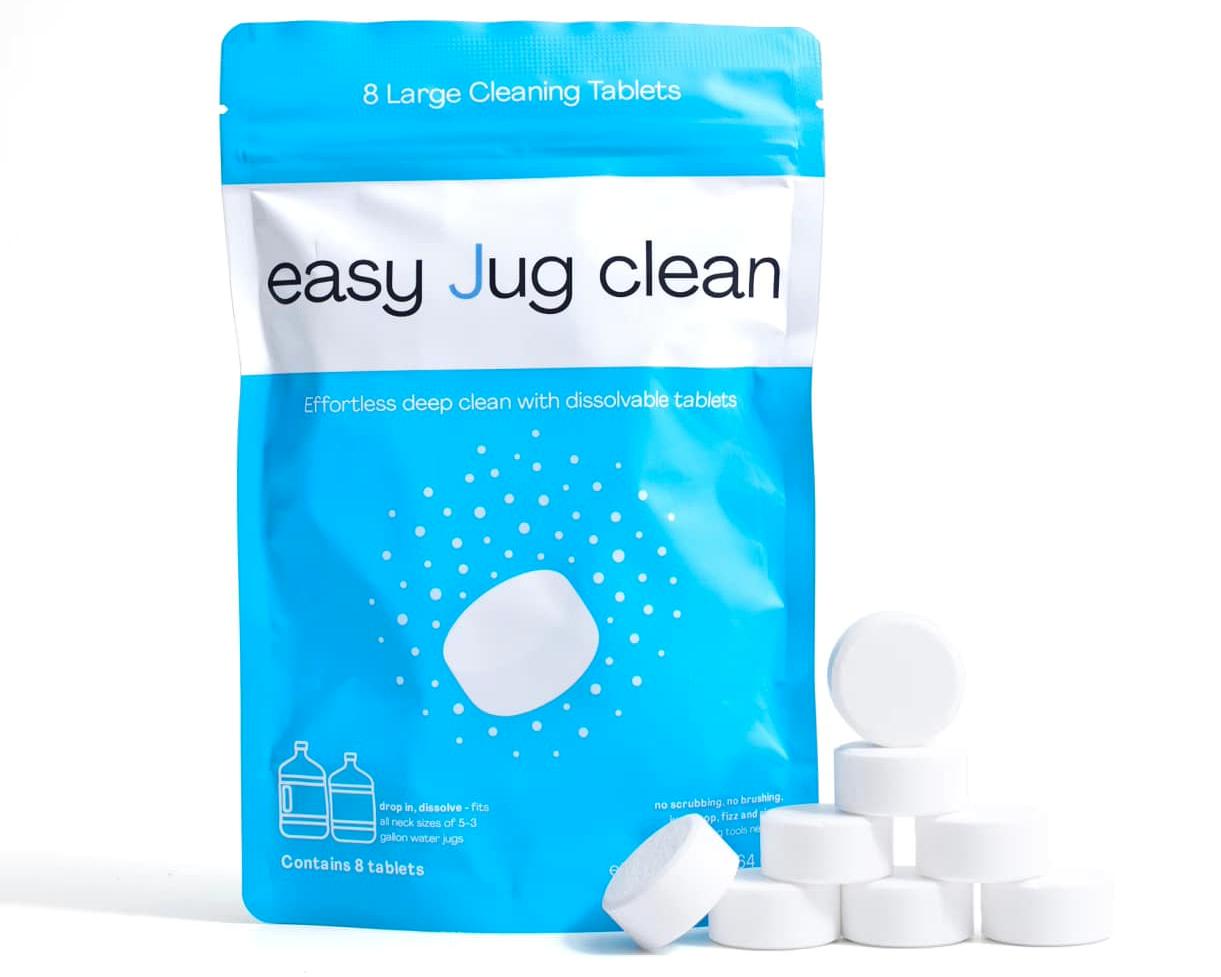
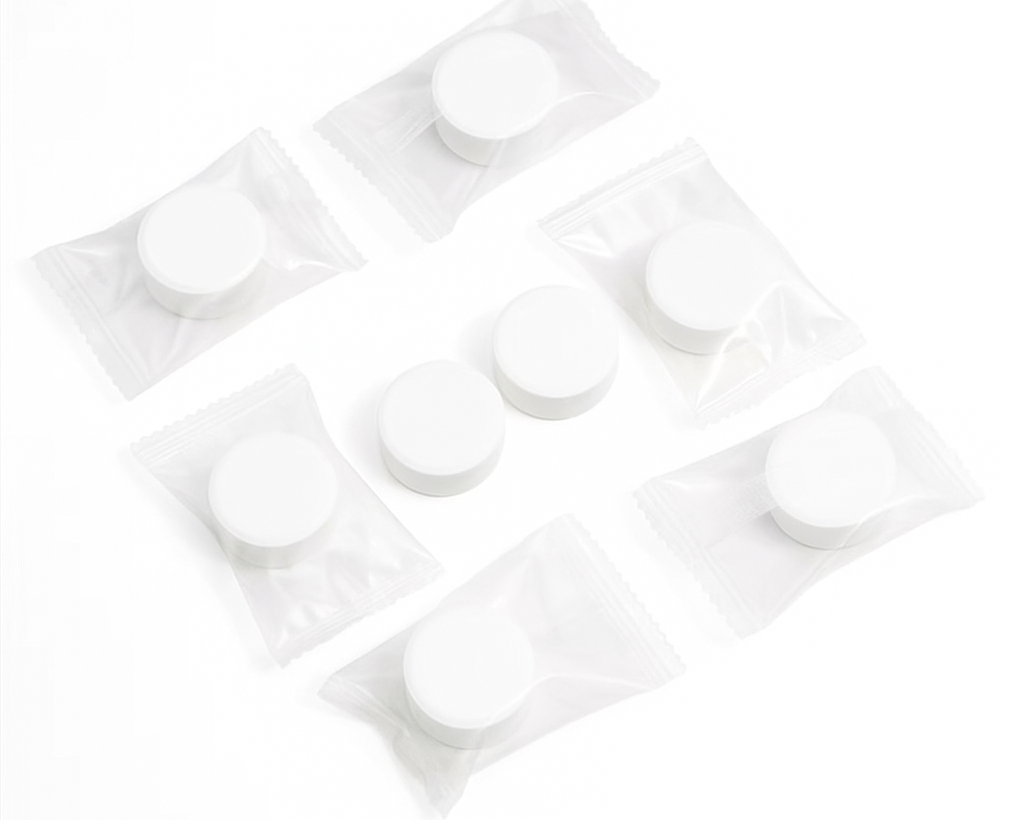
- Easy Jug Clean tablets: Shelf-stable, lightweight, cleans containers without fuss. A pack of 8 is sufficient for emergency cleaning of 4 large containers.
- Unscented chlorine bleach: For initial water treatment additive. Replace every year — bleach degrades on the shelf.
- Clean rinse water source: Sealed bottled water specifically reserved for rinsing cleaned containers if no other clean water is available.
✅ Cleaning Tablets That Belong in Your Prep Kit
Compact, shelf-stable, lightweight, and properly dosed for large containers. Easy Jug Clean handles emergency water hygiene whether you're rotating stored containers at home or sanitizing new ones during a real disaster.
FAQ: Emergency Water Storage
Q: How long does properly stored water actually last?
Indefinitely if the container stays sealed and the water was clean and treated to start with. Most agencies recommend rotation every 6 months to be safe, but the limiting factor is usually container hygiene rather than the water itself.
Q: Can I store water in any large plastic container, or do I need food-grade?
Food-grade only. Non-food-grade plastic can leach chemicals into stored water over months. Original water dispenser jugs are food-grade by design. New 5-gallon containers from a hardware store may not be — check the recycling code (#1 PET, #2 HDPE, #4 LDPE, or #5 PP are typically food-safe; others aren't certain).
Q: What if my stored water has been sitting for 3 years and I just realized I never cleaned the container first?
Don't drink it without further treatment. If you have time, run the water through a water filter capable of removing bacteria and protozoa. If you don't, boil it for at least 1 minute (3 minutes at altitude). Then sanitize the container fully before refilling. Long-neglected containers need the deep-clean protocol.
Q: Is Easy Jug Clean safe for the residual chlorine treatment system used in stored water?
Yes. Easy Jug Clean cleans the container before fill — once the container is clean, dry, and refilled with fresh chlorinated water, the systems don't interact. Don't add Easy Jug Clean to water you intend to store; use it only for container preparation.
The Bottom Line
Emergency water storage is only as good as the container it's stored in. A perfectly sealed jug full of perfectly clean water becomes a microbiological problem if the container itself wasn't properly sanitized first. The pillar guide covers routine cleaning; emergency prep adds the rotation discipline and pre-fill sanitization that turns stored water into actual emergency water.


 Order now — get it by