EPA Guidelines for Sanitizing Drinking Water Containers at Home
Reading time: ~6 minutes | EPA Guidelines Water Safety Standards Home Sanitization
What the EPA and CDC Actually Recommend for Water Container Sanitization
The EPA's water storage guidance, developed jointly with the CDC, covers containers used for emergency water storage [source: CDC Emergency Water Storage Guidelines] — the same food-grade containers used as 5 gallon water jugs in everyday household use. The core recommendations establish a specific process for container preparation before storing water:
The Official EPA/CDC Sanitization Protocol for Water Containers
Wash the container with dish soap and rinse completely. Sanitize the container by adding a solution of 1 teaspoon of unscented liquid household bleach (with a 5–8% sodium hypochlorite concentration) per quart of water. Cover the container and shake it well so that the sanitizing solution touches all interior surfaces. Wait at least 30 seconds and then pour the sanitizing solution out of the container. Let the clean rinsed container air-dry before use, or rinse with clean water.
Source: EPA/CDC Water Storage Guidance
What This Guidance Covers — and Its Important Limitations for Regular Jug Use
The EPA/CDC protocol above was designed for preparing containers before initial water storage — particularly in emergency preparedness contexts. It was not designed around the regular weekly maintenance cleaning of an actively used 5 gallon water jug system. This distinction matters because:
- The bleach protocol does not address mineral scale removal — chlorine has no descaling mechanism, and established scale provides bacterial shelter that the bleach cannot penetrate
- The protocol assumes adequate rinsing after bleach application — difficult to confirm in a 5 gallon narrow-neck container where visual inspection of the interior is limited
- The protocol does not address the dispenser system — spigots, reservoir, drip tray — which accumulate contamination between jug changes
- Repeated bleach application accelerates plastic degradation, as documented in our companion article on how bleach affects plastic
How Consumer Products Relate to EPA Sanitizer Registration
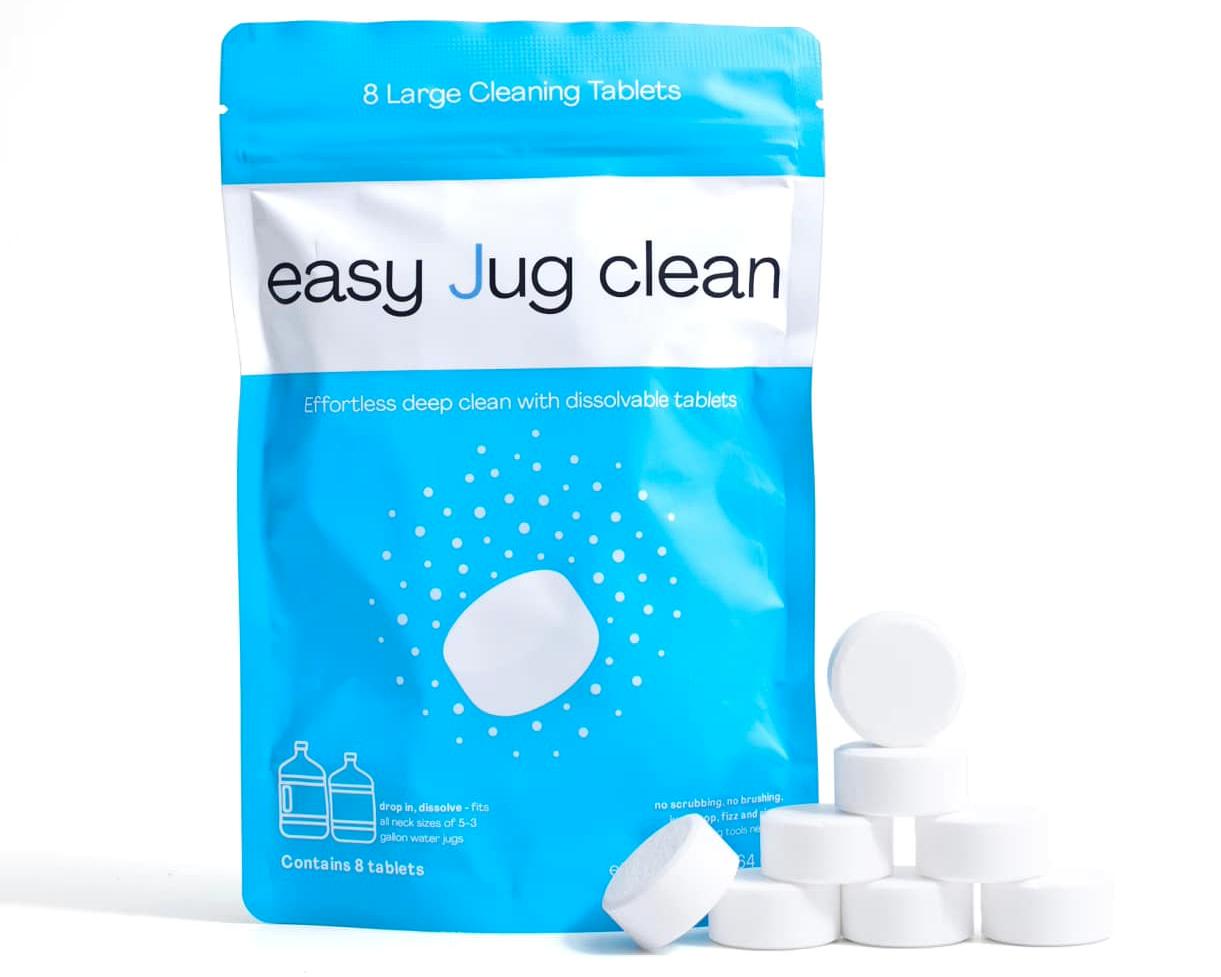
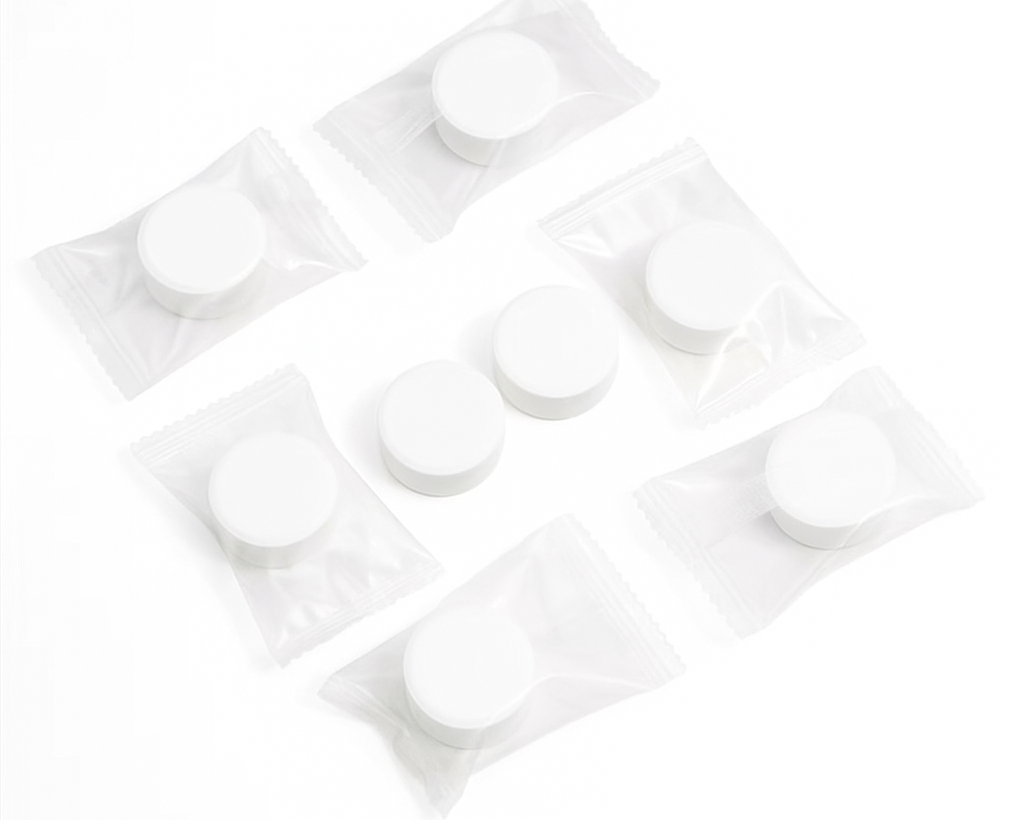
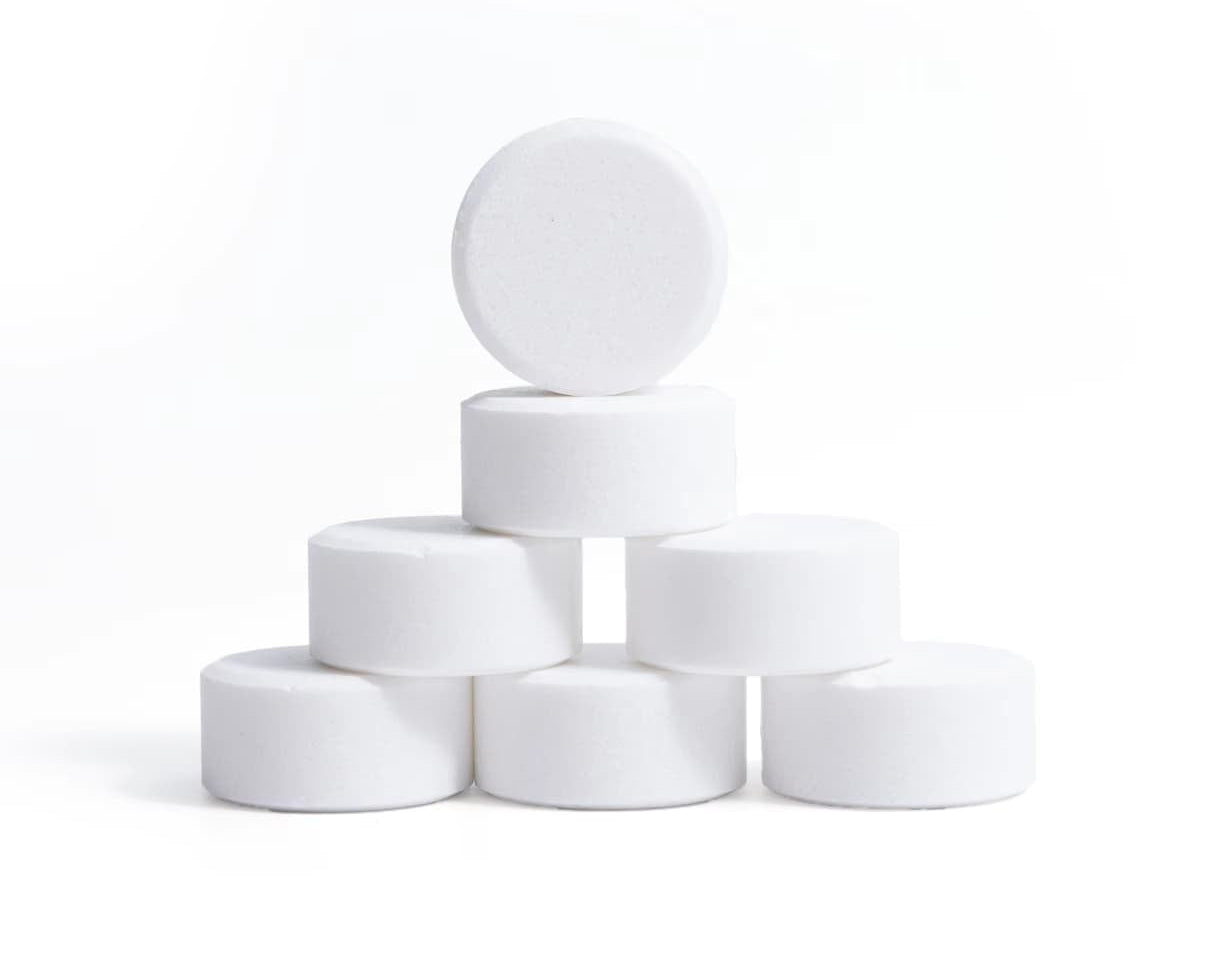
The EPA Safer Choice program and EPA sanitizer registration standards establish a framework for products used on food-contact surfaces. A product claiming to "sanitize" a food-contact surface should use chemistry registered or recognized for this use. Sodium percarbonate (the active oxygen source in Easy Jug Clean) is recognized chemistry for food-contact surface sanitization — used in brewery and food processing applications where residue-free sanitization is a regulatory requirement. Its breakdown products (water, oxygen, sodium carbonate) are recognized as food-safe, which is why it's used in applications where rinse-free treatment is sometimes required.
The Practical Standard for Weekly Jug Maintenance
Translating official guidance into a practical weekly jug maintenance standard for 5 gallon containers that are actively used for drinking water yields these requirements: use a sanitizing agent that achieves meaningful pathogen reduction (not just cleaning), ensure the sanitizing chemistry reaches all interior surfaces (requiring self-distributing liquid delivery), use chemistry with food-grade residue characteristics (safe for trace ingestion after rinsing), and address mineral scale simultaneously (because scale undermines sanitization effectiveness by sheltering bacteria).
Watch Easy Jug Clean's active oxygen sanitize a 5 gallon water jug without scrubbing:
✅ EPA-Principle-Aligned Sanitization Without the Bleach Problems
Q: Does Easy Jug Clean carry an EPA registration number?
Easy Jug Clean is a consumer cleaning tablet using food-grade chemistry rather than a registered pesticide/sanitizer product (which requires a distinct EPA registration pathway). Its active ingredient, sodium percarbonate, is widely used in food-contact surface sanitization applications and recognized for this use. For the most current regulatory status of any cleaning product, check the product label and the EPA Safer Choice product database.


 Order now — get it by