The Truth About Biofilm and Why Soap Won't Remove It
Reading time: ~6 minutes | Biofilm Dish Soap 5 Gallon Jug
How Soap Actually Works
Three Reasons Soap Fails Against Biofilm in a Water Jug
1. It Can't Reach the Biofilm Properly
When you add soapy water to a 5 gallon jug and shake it, the majority of the liquid pools at the bottom. The walls — where biofilm colonizes most aggressively — receive minimal contact with the soapy solution and almost no mechanical scrubbing action. The geometry of a narrow-neck deep container defeats the basic premise of soap cleaning: the combination of surfactant plus mechanical action.
2. Even Where It Reaches, It Can't Penetrate the EPS Matrix
3. Soap Residue Becomes a New Problem
Synthetic surfactants in dish soap have a mild affinity for plastic surfaces and resist rinsing in narrow-neck containers. The residue that remains after what feels like a thorough rinse affects water taste, can cause gastrointestinal irritation at repeated low-level exposure, and — in a cruel irony — provides organic carbon compounds that certain bacteria preferentially metabolize. In some cases, soap residue can actually encourage the growth of specific bacterial species, worsening the exact contamination problem you were trying to solve.
What Biofilm Actually Needs: Oxidizing Chemistry, Not Surfactant Chemistry
The EPS matrix that protects biofilm colonies is composed largely of polysaccharides — complex sugars that are vulnerable to oxidation. An oxidizing agent — a compound that donates oxygen atoms to break chemical bonds — can degrade the EPS polymer structure, exposing the bacteria within to lethal conditions. This is categorically different from what soap does.
| Cleaning Agent | Mechanism | Effective Against Biofilm EPS? |
|---|---|---|
| Dish soap | Surfactant emulsification of lipids | ❌ No — wrong chemistry |
| Vinegar | Acid-base reaction with alkaline compounds | ❌ No — cannot penetrate matrix |
| Bleach (NaOCl) | Oxidation via hypochlorous acid | ⚠️ Partial — chlorine residue risk |
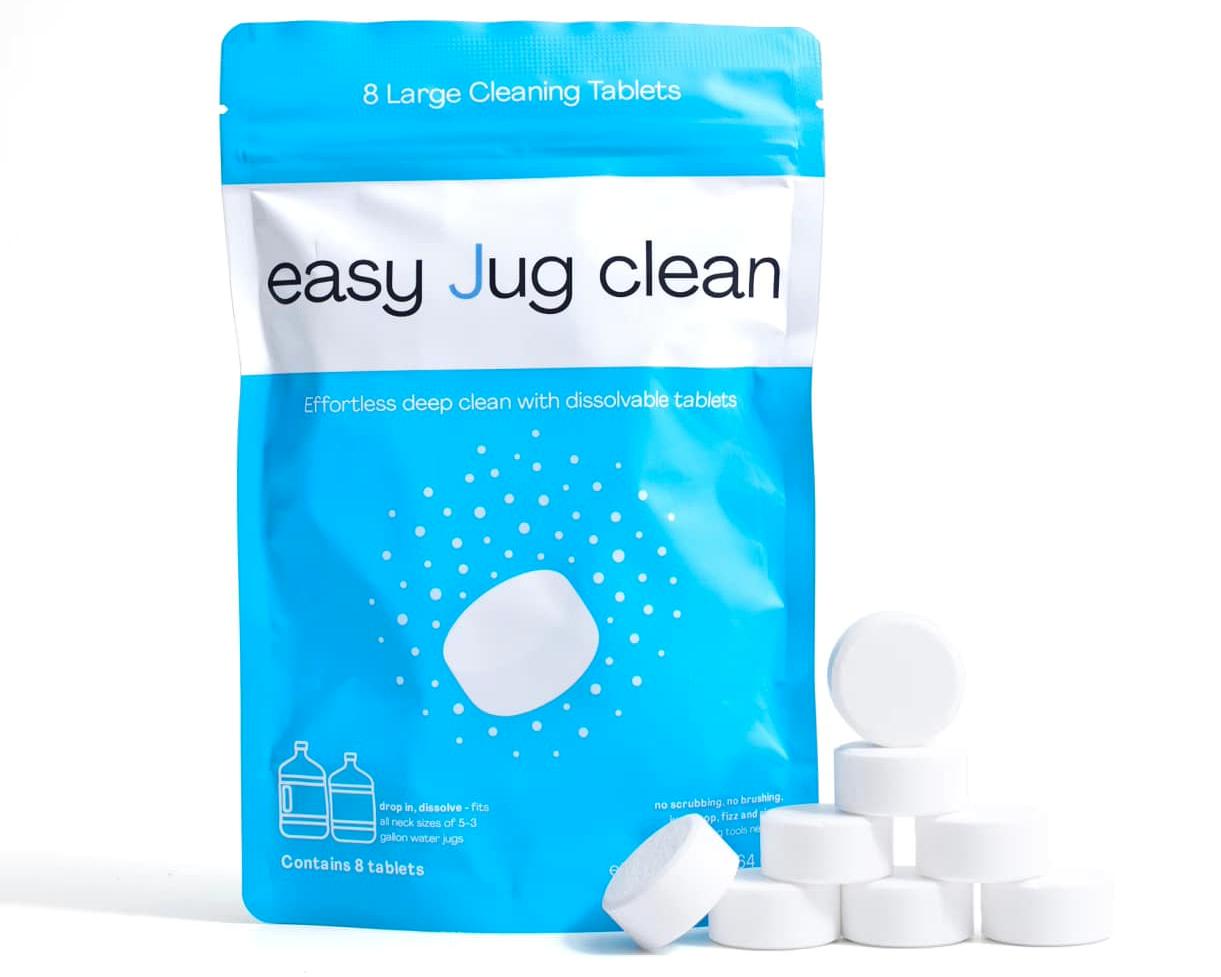
| Sodium percarbonate (Easy Jug Clean) | Active oxygen release oxidizes EPS matrix | ✅ Yes — designed for this purpose |
Watch the right cleaning approach versus what a brush actually does to your jug:
✅ The Right Chemistry for What's Actually in Your Jug
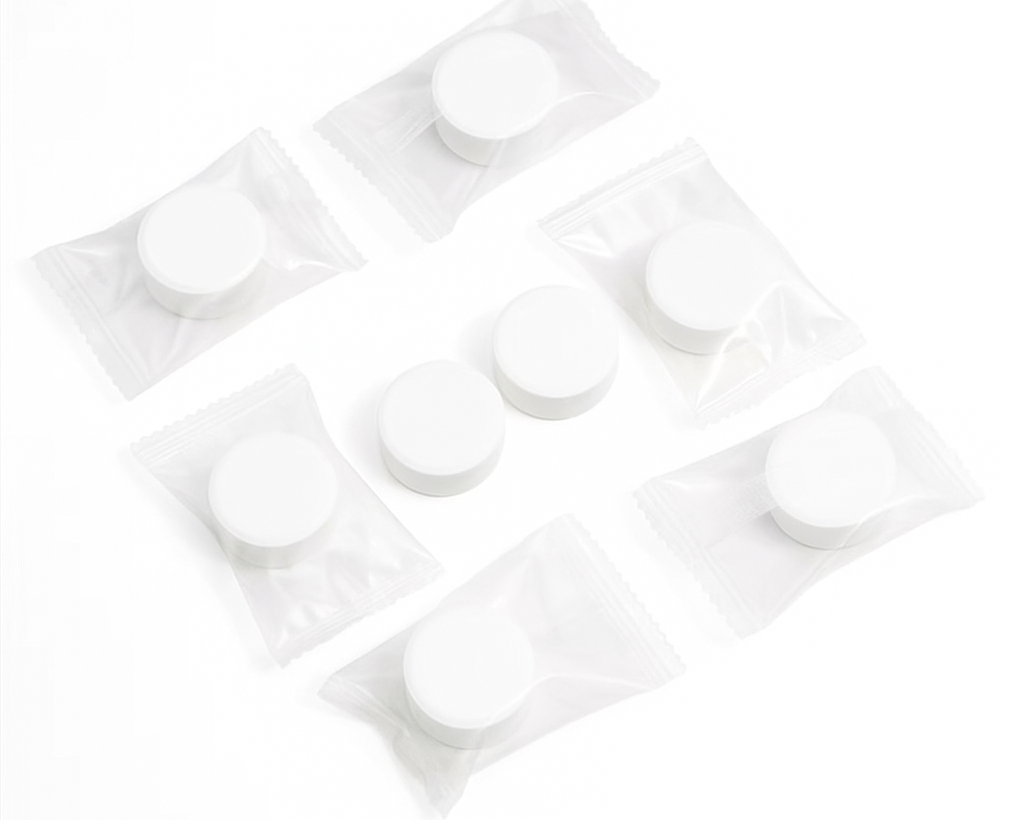
Easy Jug Clean's active oxygen formula does what soap fundamentally cannot — it penetrates and destroys the biofilm matrix that's been living in your jug. Drop 2 tablets. 20 minutes. Done.
Frequently Asked Questions
Q: What if I use antibacterial soap — does that help with biofilm?
Antibacterial soaps contain triclosan or benzalkonium chloride — compounds that disrupt bacterial cell membranes on open surfaces. Inside a biofilm EPS matrix, these compounds still cannot penetrate to the bacteria they're designed to kill. Antibacterial soap is more effective than regular soap against free-floating bacteria but offers no meaningful improvement against established biofilm in a water jug.
Q: Can I use a combination of soap and vinegar to remove biofilm?
Combining soap and vinegar produces a neutralized solution with diminished effectiveness of both components. Neither ingredient acquires biofilm-penetrating oxidative capability through this combination. The result is a weaker version of two already-inadequate cleaning approaches.


 Order now — get it by