Why Jug Brushes Miss More Than They Clean
Reading time: ~6 minutes | Bottle Brush Coverage Gaps 5 Gallon Jug
The Five Coverage Gaps: Where Your Brush Isn't Reaching
Interior Coverage Map of a 5 Gallon Water Jug
Zone 1: Bottom Corners (Curved Wall-to-Floor Junction)
The curved junction where the bottom meets the cylindrical walls. A brush head inserted vertically contacts the flat center of the bottom but cannot simultaneously press against the curved perimeter. The brush angle prevents perpendicular contact pressure at this transition zone — the exact area where pooled water and sediment accumulate longest.
Zone 2: Lower Side Walls (Below Mid-Height)
The cylindrical walls below the halfway mark. A brush extended fully into the jug contacts the bottom center but applies diminishing pressure to the side walls the further from the neck the brush head travels. At the lower third of the jug, the brush head contacts walls at too shallow an angle to exert meaningful scrubbing force — the bristles skim rather than scrub.
Zone 3: Tapered Shoulder (Below the Neck)
The tapered zone where the jug transitions from its full cylindrical diameter to the narrow neck opening. A brush inserted through the neck immediately enters this tapered zone — the brush head is too wide to angle toward the shoulder surfaces, and the narrow neck prevents the wrist rotation needed to reach these walls. This zone is one of the dampest areas in the jug — moisture condenses here — and one of the most biofilm-prone.
Zone 4: Upper Side Walls (Near the Shoulder)
The upper cylindrical walls near the shoulder transition. The brush angle from the neck allows better contact here than at the lower walls — but only at one orientation at a time. Thorough coverage requires multiple systematic passes at different angles, which the narrow neck makes awkward and which most users don't perform systematically.
Zone 5: Center Bottom (Flat Section)
The only zone where a brush consistently makes good contact — the flat center of the jug bottom where the brush head lands first. Ironically, this is also one of the lower-risk zones for biofilm establishment, because water turbulence from filling and emptying disrupts bacterial attachment here more than at the walls and corners.
Why Effervescent Tablets Close Every Gap
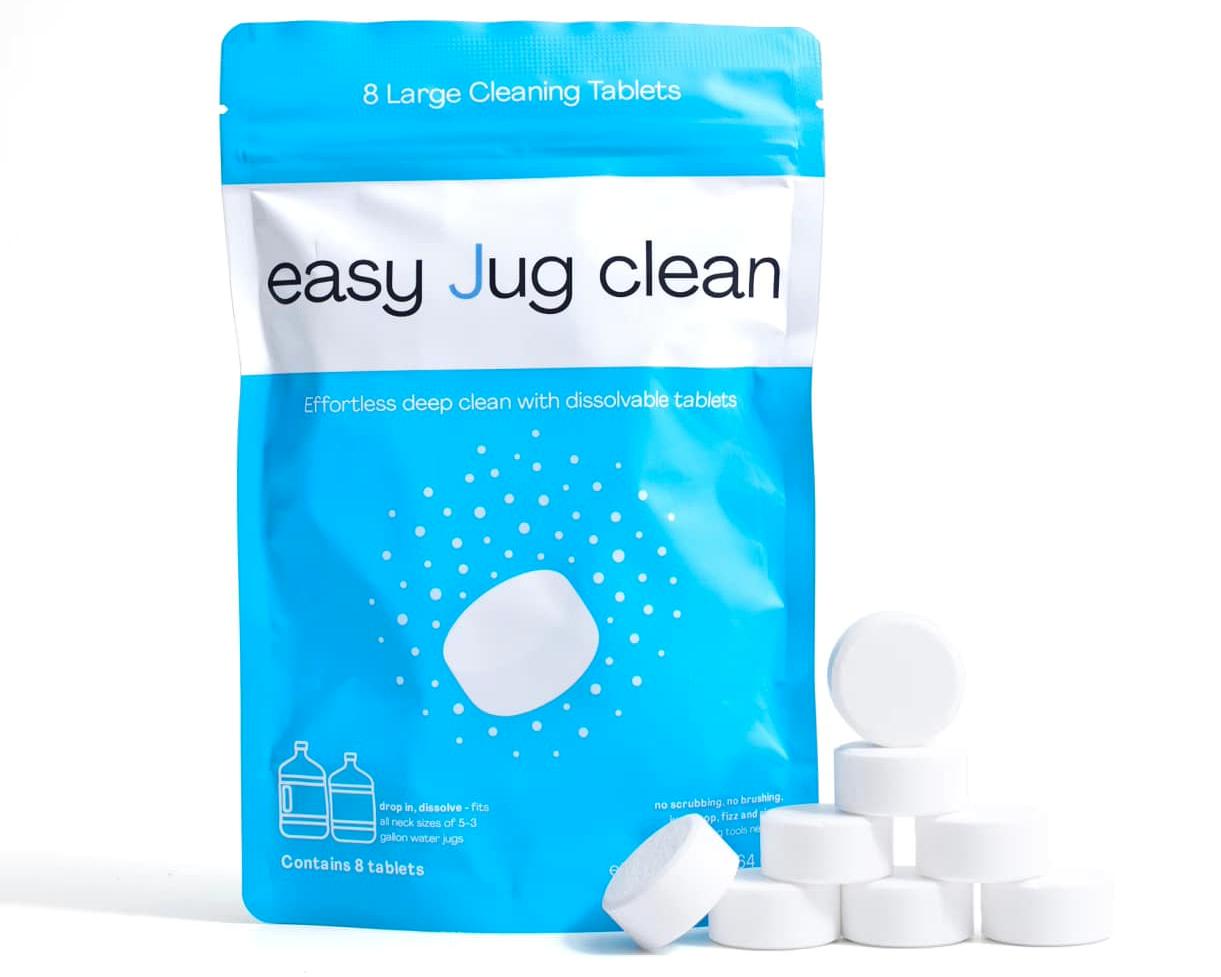
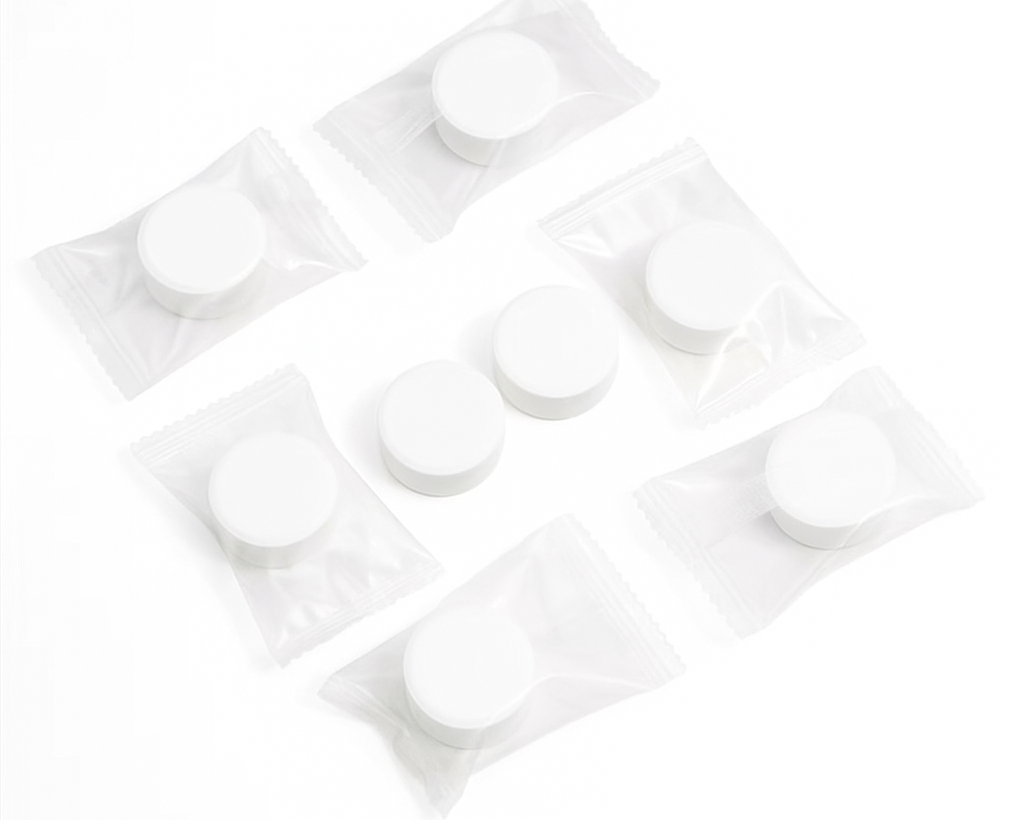
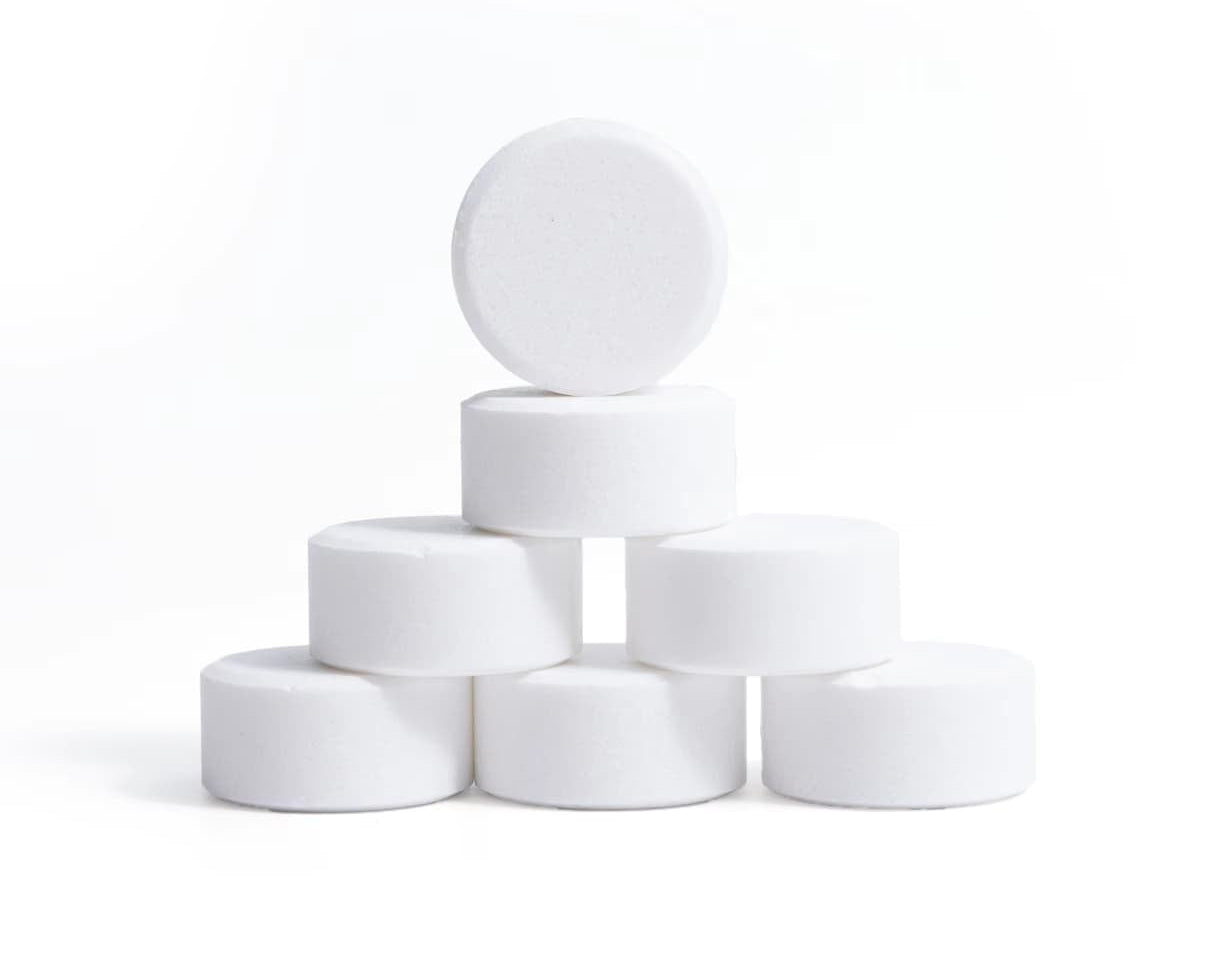
The solution to a coverage problem created by geometry is to use a cleaning method that isn't limited by geometry. Liquid fills every zone simultaneously — including the bottom corners, the shoulder, the lower walls. The effervescent bubbles from Easy Jug Clean tablets nucleate preferentially on the contaminated surfaces (rough scale deposits, biofilm colonies) and continuously agitate the solution across every surface throughout the full 20–30 minute soak. There are no geometry-imposed coverage gaps because the cleaning mechanism is fluid, not mechanical.
See why the tablet method beats manual cleaning on every single measure that matters:
✅ No Coverage Gaps. No Zones Missed. No Corners Left Behind.
Easy Jug Clean's effervescent delivery reaches every surface the brush can't — including the bottom corners, shoulder, and lower walls where bacteria concentrate most.


 Order now — get it by