Mold in Office Water Cooler Jugs: A Different Risk Profile from Home
Reading time: ~5 minutes | Office Hygiene Workplace Cleaning Mold Risk
The Office Water Cooler's Structural Disadvantage
A home water cooler has a clear owner: someone in the household. That person notices when the jug looks off, decides when to clean it, and pays for the cleaning supplies. The accountability and the action live in the same person.
An office water cooler has no clear owner. The receptionist sees it but isn't responsible. Facilities manages the building but doesn't manage the water service. The water service provider delivers jugs but doesn't clean them. The first person who uses the cooler in the morning isn't going to clean it; neither is the last person who uses it at night. Office water cooler jugs are among the most contaminated reusable containers in any commercial building precisely because the responsibility gap is structural.
Five Reasons Office Mold Risk Is Higher
1. Multi-User Spore Introduction
A household cooler is touched by 2–4 people daily. An office cooler in a 30-person office is touched by 30+ people daily — each person bringing their own microbiome, their own contact with door handles and elevator buttons and other surfaces, and their own moment of breath near the dispenser. Spore introduction at the dispenser interface is many times higher than residential rates.
2. Longer Dwell Between Refills
An office water cooler typically goes through a 5-gallon jug in 5–10 days, with weekend gaps when nobody is using it. The longer dwell time and the warming-during-weekends pattern provide ideal conditions for mold establishment between refills.
3. Higher Ambient Temperature
Office buildings run their HVAC for human comfort, typically 21–24°C — within the optimal mold growth range. Many home environments are similar, but offices often run warmer in summer, especially break rooms with multiple appliances generating heat. Higher ambient temperature accelerates everything in the mold timeline.
4. The Cleaning Schedule Doesn't Exist
Most offices have no documented water cooler cleaning schedule. The water service company changes the jug; that's where formal hygiene management ends. The interior of the dispenser, the spigots, the drip tray, and the new jug all get used without a cleaning intervention between cycles. Establishing a cleaning rotation is more than a hygiene measure — it's a baseline operational discipline most offices haven't built.
5. Public Health Stakes Are Higher
The Comparison: Home vs. Office Mold Profile
| Variable | Home Water Cooler | Office Water Cooler (30+ people) |
|---|---|---|
| Daily users | 2–4 | 30+ |
| Spore introduction events per day | ~5–10 (cap removal, dispensing) | ~50+ |
| Refill cycle | 10–14 days | 5–10 days |
| Cleaning ownership | Clear (one person) | Diffuse (no owner) |
| Documented cleaning schedule | Often none, but informal | Almost never formal |
| Risk-group exposure | Known household members | Unknown (varying medical profiles) |
| Visibility incentive | Personal property; people notice | Public; bystander effect |
What an Actual Office Cleaning System Looks Like
The functional office water cooler hygiene system has three components: a designated owner, a documented schedule, and a frictionless tool that doesn't require expertise.
The Designated Owner
Someone has to be responsible — not "anyone who notices the problem" but a specific role. Office manager, facilities coordinator, or rotating duty among admin staff all work. The designated owner has the authority and the responsibility for the cleaning task. Without an owner, the system collapses to "everyone and no one."
The Documented Schedule
A simple sticker on the cooler: "Last cleaned: [date], next cleaning: [date]." Weekly is the right frequency for most offices. This visible documentation does three things: (1) keeps the next cleaning from being forgotten, (2) signals to users that the cooler is being maintained, and (3) creates accountability if cleaning is skipped.
The Frictionless Tool
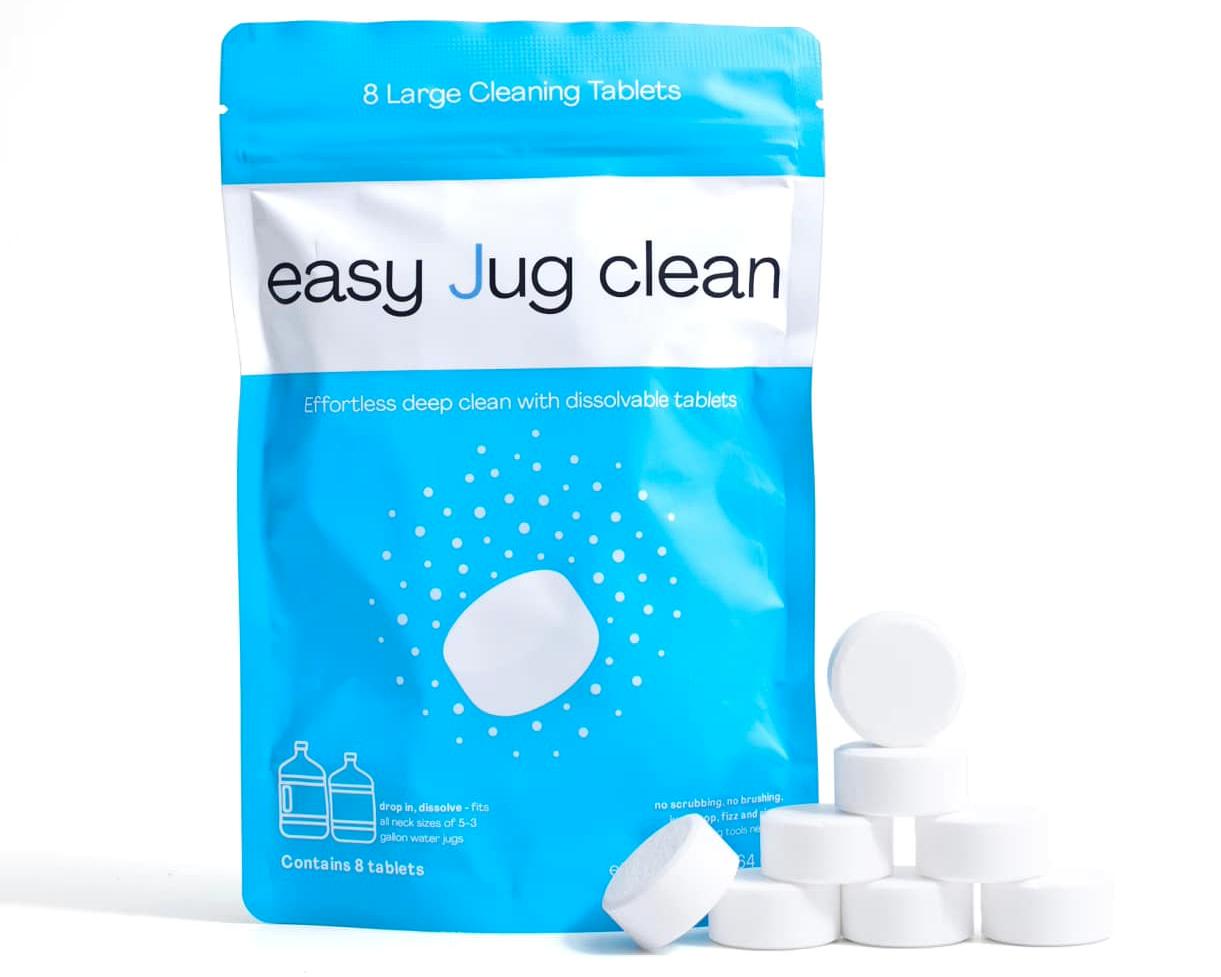
Whatever the cleaning method is, it has to be simple enough that the designated owner — who has actual job duties — can complete it in 20 minutes without expertise. A cleaning station with the supplies on hand reduces friction further. Storing a box of Easy Jug Clean tablets near the cooler with a small instruction card is enough infrastructure for the system to work.
✅ Office Water Cooler Hygiene Without the Friction
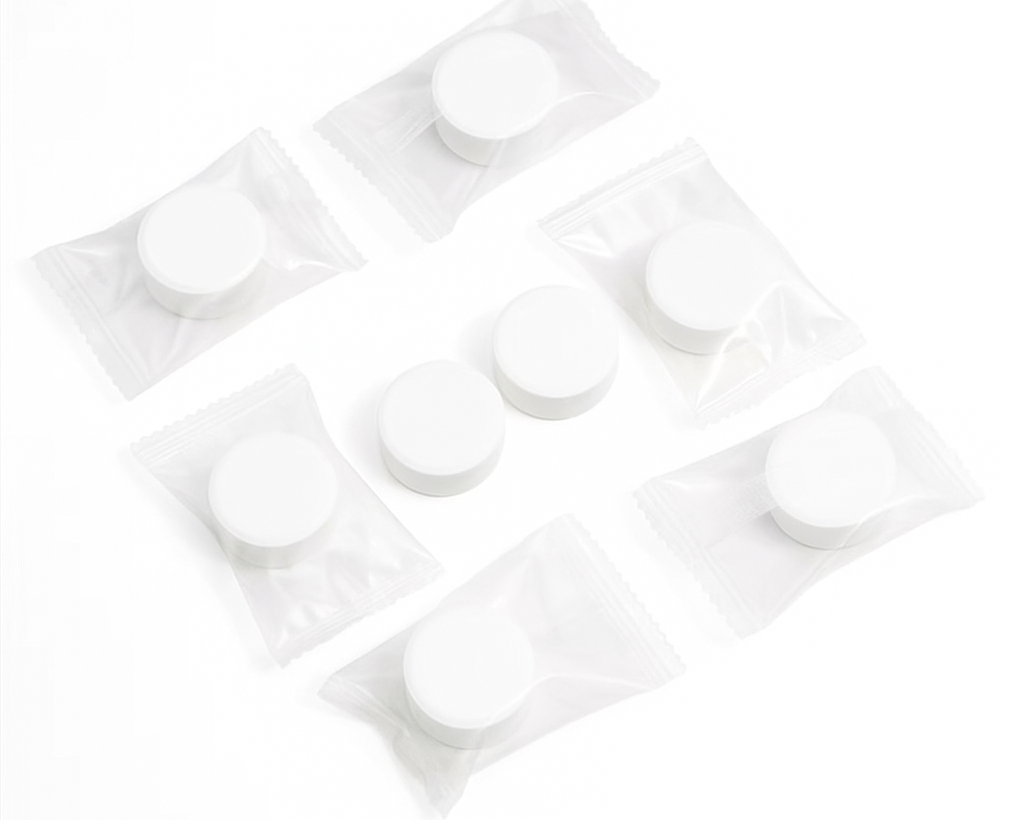
Two tablets every Friday afternoon. The designated person, the documented schedule, the simple tool — that's the full office cleaning system. covers a month per cooler.
FAQ: Office Water Cooler Mold
Q: Should I bring up the office water cooler mold issue with my manager?
Yes. Mold in a shared workplace water source is a legitimate workplace hygiene concern. Frame it constructively — "I noticed the cooler has visible mold; I'd like to suggest we set up a weekly cleaning schedule" — rather than as a complaint, and offer to help implement the solution.
Q: What if my office uses pre-filled commercial jugs and the supplier handles them?
The supplier delivers fresh water but typically doesn't clean the dispenser, the spigots, or the new jug as it's installed in your office. The "supplier handles it" assumption covers a smaller portion of the hygiene system than people assume.
Q: Are there liability issues for the office if employees get sick from a moldy cooler?
Potentially. Workplace hygiene of shared water sources is a legitimate occupational health matter. Documented neglect could become a liability question if employees develop documented illness traceable to the cooler. The cost of preventing the problem is far lower than the cost of dealing with it after.
The Bottom Line
Office water cooler mold is more common, more consequential, and more under-addressed than residential mold — for structural reasons, not because office workers care less about hygiene. The fix requires designating ownership, documenting the schedule, and using a tool simple enough that anyone can execute the cleaning. The cleaning protocol is identical to home; the operational discipline around it is what's different.


 Order now — get it by