How to Set Up a Water Cooler Jug Cleaning Rotation for an Office
Reading time: ~6 minutes | Office Cleaning Rotation Water Cooler Jug Workplace System
How to Set Up a Water Cooler Jug Cleaning Rotation for an Office
Why Shared Responsibility Fails (And How to Fix It)
The fundamental problem with office water cooler cleaning is this: when everyone is responsible, nobody is responsible.
You've probably seen it happen:
- The admin assumes facilities handles it.
- Facilities assumes someone requested the service.
- Team members assume someone in management takes care of it.
- Months pass with zero action.
- When someone finally complains about the taste, nobody remembers when it was last cleaned—or if it ever has been properly sanitized.
This is why office water cooler jugs are the most contaminated in any building. The absence of named accountability creates a contamination vortex. How to clean a water cooler jug properly becomes irrelevant when nobody actually does it.
The solution is simple: create a rotation. Assign a specific person or team to cleaning duty each week. Make the task so effortless that they'll actually do it. Document it so there's no ambiguity.
The 5-Step System for Office Water Cooler Cleaning Rotation
Step 1: Decide on Your Rotation Interval
How often should you clean the office water cooler jug? The answer depends on usage:
- 5–15 people: Clean weekly. The jug is small and usage is moderate.
- 15–30 people: Clean every 5 days (twice per week). More users = faster bacterial growth.
- 30+ people: Clean 2–3 times per week. High-traffic coolers need more frequent attention.
Why this frequency? When more people share a water cooler jug, bacteria accumulate exponentially. With 30+ users, dangerous contamination levels can be reached in just 7 days if biofilm is allowed to establish. Weekly cleaning for small offices is typically sufficient because the contamination load climbs slower.
Step 2: Create a Rotation Schedule
Assign cleaning responsibility. For a 10-person office on weekly cleaning:
| Week | Assigned Person(s) | Cleaning Date | Status |
|---|---|---|---|
| 1 | Sarah (Marketing) | Monday | Completed |
| 2 | James (Operations) | Monday | Pending |
| 3 | Maria (HR) | Monday | Pending |
| 4 | David (Sales) | Monday | Pending |
| 5 | Jessica (Design) | Monday | Pending |
| 6 | Alex (Tech) | Monday | Pending |
| 7 | Chris (Finance) | Monday | Pending |
| 8 | Lisa (Admin) | Monday | Pending |
| 9 | Paul (Manager) | Monday | Pending |
| 10 | Emma (Support) | Monday | Pending |
For offices larger than 10 people, you can create teams (2–3 people per rotation) to share the responsibility. The key is that at least one person is clearly named.
Step 3: Create a Simple Documentation System
Place a cleaning log directly on or near the water cooler. A simple notebook works fine. Each entry should include:
- Date cleaned
- Name of person who cleaned it
- Time it took
- Any notes (e.g., "replaced spigot cover," "observed mold in drip tray")
This serves three purposes:
- Accountability: Everyone can see who cleaned it and when. No guesswork about whether the jug was actually sanitized.
- Pattern visibility: You can spot if someone is consistently skipping their week, or if one person is doing most of the work.
- Issue tracking: If someone notes that the spigot is leaking or the drip tray is moldy, you can address those problems.
A digital option: Use a shared Google Sheet or team messaging app (Slack, Teams) to post a reminder at the start of each week and get a comment confirmation when done.
Step 4: Communicate the Method and Set Expectations
This is critical: you have to tell people how to clean the jug, and you have to make it effortless.
Many people skip the task because they're not sure how to do it properly. Does it need special equipment? Chemicals? How long does it take? This uncertainty creates procrastination.
The difference between rinsing and sanitizing a water cooler jug is fundamental—rinsing doesn't actually work. You need to communicate that to your team and give them the right tool.
Here's what the instructions should say:
- Empty the jug completely. Dispose of any remaining water.
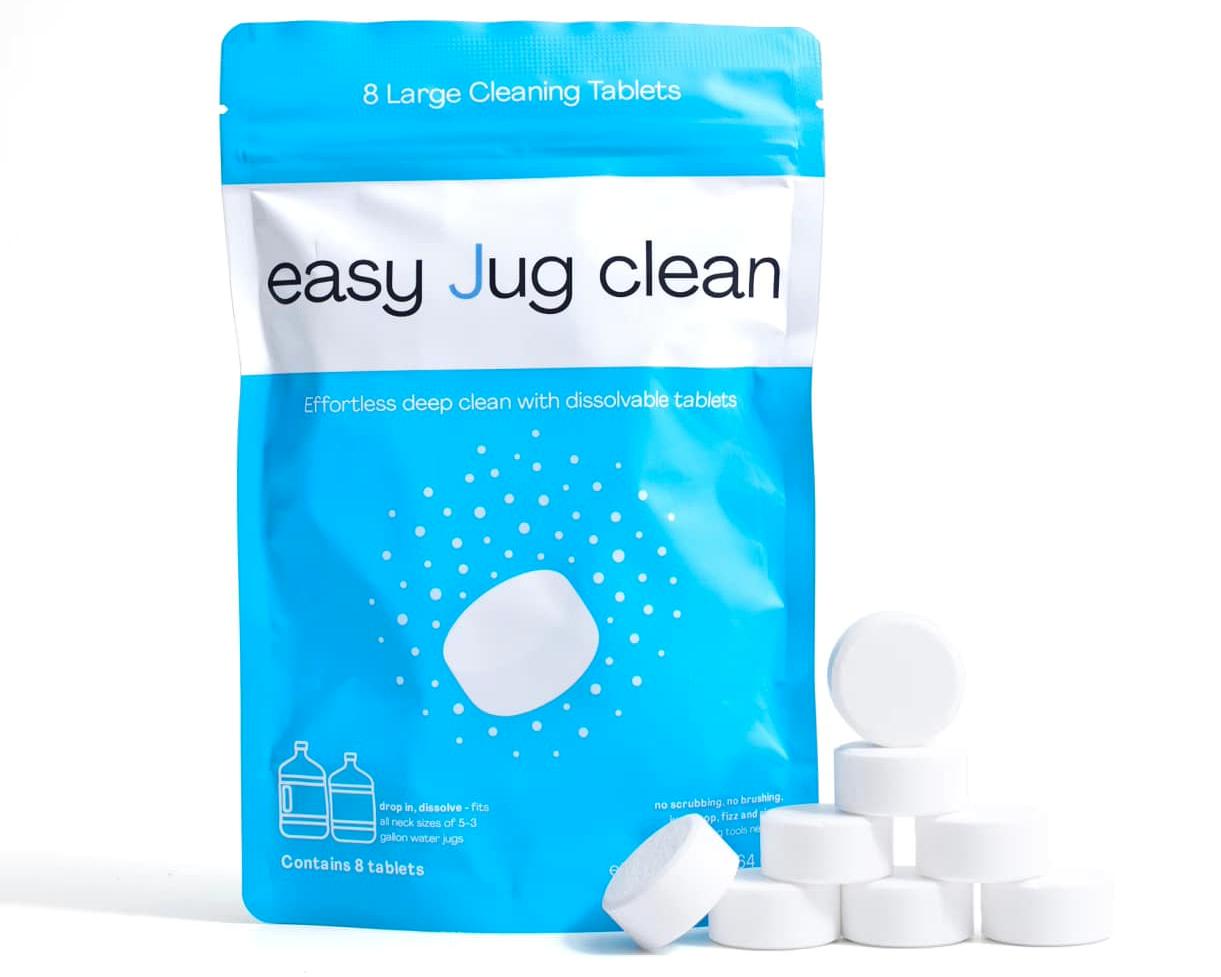
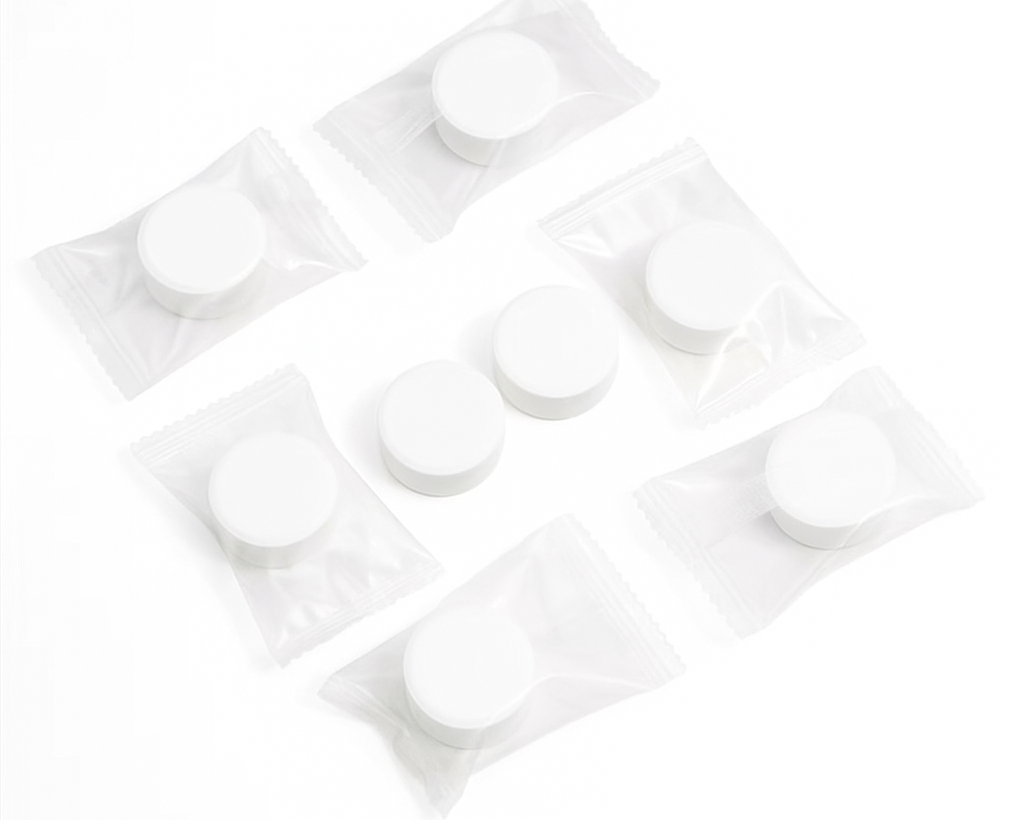
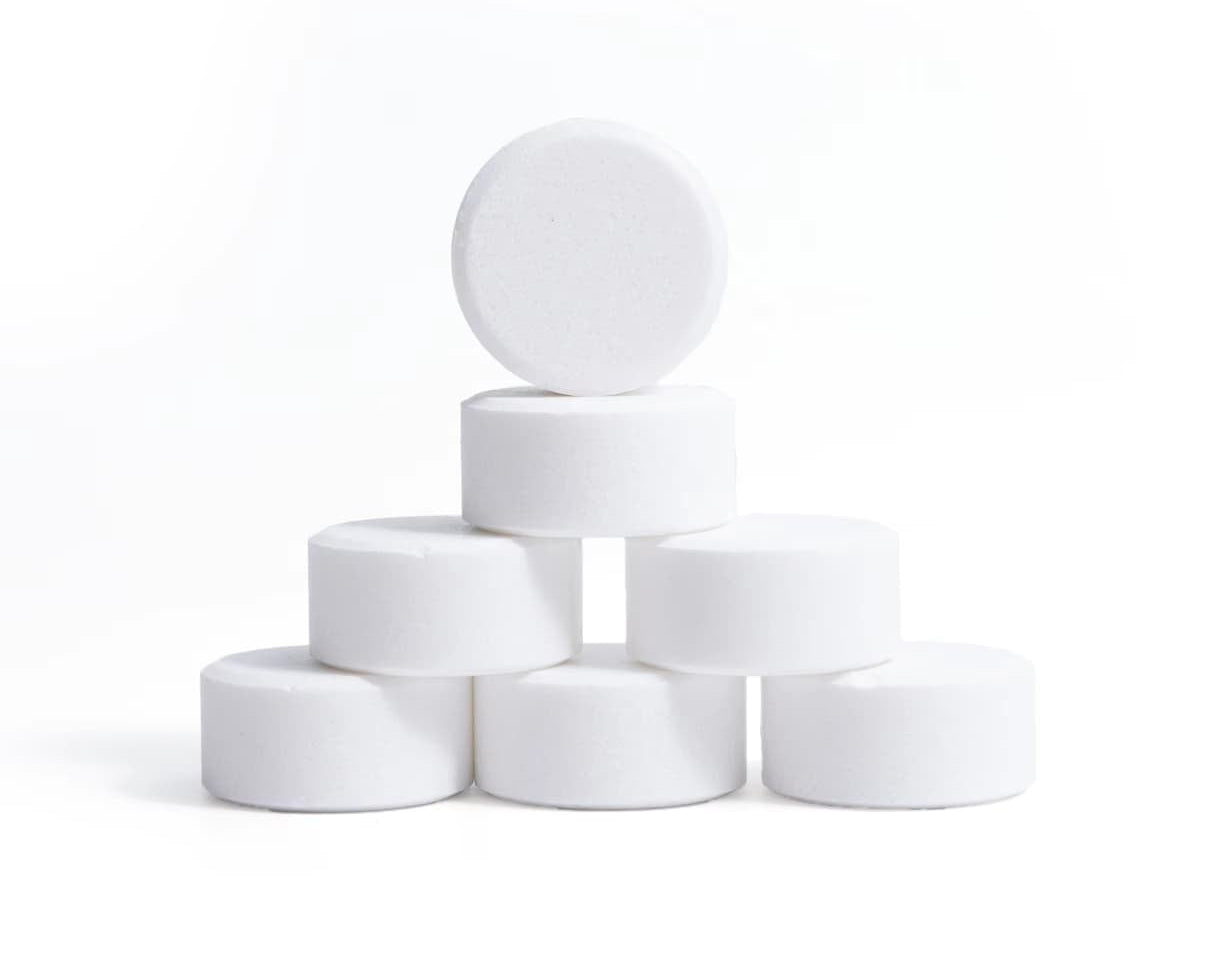
- Drop 2 Easy Jug Clean tablets into the empty jug.
- Fill the jug with warm water until it's about three-quarters full.
- Place the jug back on the cooler (if possible) or leave it in a safe location.
- Wait 20 minutes. The tablets will dissolve and sanitize all interior surfaces.
- Empty the sanitizing solution completely.
- Rinse the jug with fresh water 2–3 times.
- Refill with fresh water and replace on the cooler.
- Sign the cleaning log.
The key is removing friction. When the task is this simple, people will actually do it. And they'll do it consistently because there's no ambiguity or technical barrier.
Step 5: Make It Easy to Follow Up
Accountability is easier when people know someone will notice if they skip.
Send a gentle reminder email the day before the assigned person's cleaning week:
Hi [Name], This is a friendly reminder that it's your week to clean the office water cooler jug! Just a heads up: cleaning takes about 15 minutes using the Easy Jug Clean tablets we keep in the break room. The instructions are posted near the cooler. Please do the cleaning by end of day Friday and sign the log when done. Thanks for keeping our water safe and clean! —[Manager/Admin]
For a small team, a quick Slack message works even better. The goal isn't to be burdensome; it's to keep the task visible so it doesn't slip the person's mind.
Handling Skipped Rotations
What if someone forgets or skips their week? Here's how to handle it:
First Skip
Send a friendly individual message: "Hi [Name], I noticed the water cooler cleaning didn't get done during your week. No worries—life happens! Can you knock it out when you have 15 minutes?" Most people will immediately do it.
Repeat Skips
If someone consistently skips, either:
- Swap them with someone else who's more reliable. Maybe they have a busier role, and cleaning isn't realistic for their schedule.
- Move them to a team cleaning shift where two people share responsibility. It's harder to forget when someone's relying on you.
- Hire the rotation out to facilities or an office cleaning service if internal rotation truly isn't working.
The goal is to find a system that works for your office culture, not to create resentment.
Why This System Works
This rotation system succeeds where others fail because it addresses the core problems:
The last piece is the right tool. How to clean a water cooler jug properly requires actual sanitization, not just rinsing. Easy Jug Clean makes that simple.
Putting It All Together
Here's your action checklist to launch the rotation:
- Decide frequency: Weekly, twice weekly, or 3x per week based on your office size.
- Create rotation schedule: Assign each team member a cleaning week in order.
- Post instructions: Print or laminate the cleaning steps and tape them near the cooler.
- Set up documentation: Place a cleaning log next to the cooler (notebook or digital).
- Stock supplies: Keep Easy Jug Clean tablets in the break room so people don't have to find them.
- Send kickoff email: Introduce the rotation system and explain why it matters.
- Start the rotation: Assign the first person and monitor for the first month to ensure it's working.
✅ Make Your Rotation Actually Sustainable
A cleaning rotation only works if the method is effortless. Easy Jug Clean removes the friction—2 tablets, 20 minutes, done. Your team will actually stick to the rotation because it's realistic. Stock your break room with Easy Jug Clean and watch your water cooler stay clean.
Watch how simple office jug cleaning gets with Easy Jug Clean tablets:
The Takeaway
Office water cooler cleaning fails when there's no accountability. A rotation system fixes that by naming one person for each period and making the task so simple that they'll actually do it. With Easy Jug Clean, sanitizing takes 20 minutes and zero expertise. Your office gets clean water. Your team gets a sustainable system. Everybody wins.


 Order now — get it by