Why Office Water Cooler Jugs Are the Most Contaminated in Any Building
Reading time: ~6 minutes | Office Water Cooler Shared Contamination Workplace Hygiene
Why Office Water Cooler Jugs Are the Most Contaminated in Any Building
The Shared Responsibility Problem
Here's the uncomfortable truth: when everyone is responsible for cleaning the water cooler jug, nobody cleans it.
Unlike a toaster in someone's kitchen or a coffee maker at home, an office water cooler exists in a legal and social grey zone. It's not anyone's personal appliance. The admin might think facilities handles it. Facilities might think admin ordered cleaning. Team members assume someone else is on top of it. Months pass. The jug sits there, collecting contamination from dozens of hands and mouths.
This is why how to clean a water cooler jug properly is one of the most-searched questions in workplace health. The absence of ownership creates a contamination vortex that doesn't exist in home settings.
Why Office Environments Accelerate Contamination
Office water coolers aren't just dirtier because they're neglected—they're dirtier by design. Here's why the contamination timeline is compressed compared to home jugs:
More Users = Exponential Contamination Risk
A home water jug might serve 2–4 people. An office cooler serves 20, 50, or even 100+. Every single person who touches that spigot, breathes near the open neck, or refills their bottle adds microorganisms to the jug's interior. When more people share a water cooler jug, bacteria multiply exponentially—not linearly. Five more users don't mean five times more bacteria; they mean it reaches dangerous levels twice as fast.
Hand Contact Pathways
The spigot is the main contamination highway. Unwashed hands, hands that just touched a doorknob or keyboard, hands that wiped a sneeze—all make direct contact with the dispenser button. That button sits in the water stream's splash zone. Bacteria don't rinse away; they cling to the interior walls and establish biofilm. The narrow neck geometry of water jugs means the spigot area becomes a bacterial incubator.
Breath and Aerosol Exposure
Every time someone leans down to fill a cup, they breathe—sometimes talking to a coworker while waiting. Respiratory particles travel up to 8 feet in some cases and land inside the jug's opening. During cold and flu season, this is compounded. In a shared office environment, you're not just drinking water; you're potentially ingesting the respiratory microbiome of 50 people.
The Drip Tray: A Petri Dish You're Not Thinking About
Water accumulates in the drip tray under the cooler. It's not cleaned regularly—it's usually ignored entirely. Bacteria in stagnant water multiply fastest. Mold grows. This tray becomes a secondary contamination source that re-contaminates the jug through splash and overspill.
How Long Office Jugs Actually Go Without Cleaning
Here's what surveys and workplace audits reveal: the average office water cooler jug goes 3 to 6 months without cleaning. Some go over a year.
Think about that. An appliance that 30+ people drink from directly, that has never been chemically sanitized, sitting in a warm office environment for 6 months. The biofilm is thick. Mineral scale is encrusted on the walls. Mold is growing in crevices. The spigot mechanism is clogged with bacterial slime.
Home users, by contrast, often clean jugs monthly—not because they're more responsible, but because they notice the taste change or see visible grime faster. With a small number of users in a familiar environment, problems become obvious.
In an office, problems hide. The water tastes fine to most people (taste buds don't detect most pathogens). The jug *looks* clear. So it keeps getting used—and the contamination load keeps climbing.
The Contamination Pathways Specific to Office Coolers
Office environments create unique contamination vectors that home kitchens don't have:
- Higher traffic: 100+ people per day vs. 2–4. More hands = more bacteria.
- Longer contact time in biofilm: The jug sits for months, allowing biofilm to mature into thick, protective layers that house pathogens like Legionella and Pseudomonas.
- Variable water quality: Office coolers dispense both hot and cold water. Temperature fluctuations encourage bacterial growth in the warm reservoir.
- Seasonal immune vulnerabilities: In winter, cold/flu viruses concentrate in the break room. In summer, mold spores thrive in humid conditions near the cooler.
- Cross-contamination from related surfaces: The cooler cabinet, the surrounding countertop, the refrigerator next to it—they all exchange microorganisms with the jug.
Why Traditional Cleaning Methods Fail in Office Settings
The fundamental problem with office water cooler cleaning is accountability *and* method friction. Here's why nothing gets done:
Rinse-only methods are inadequate: Just emptying the jug and rinsing with hot water doesn't sanitize. It removes loose debris but leaves biofilm intact. Biofilm is a protective matrix. You can't rinse it away. Office staff—who aren't trained cleaners—see a jug that looks clean after rinsing and assume the job is done. It isn't.
Bleach is dangerous in shared spaces: Bleach fumes are a hazard in an enclosed office. Someone might leave bleach residue in the jug. It's not practical for a shared-responsibility scenario.
Bottle brushes require technique: A narrow-necked jug can't be adequately brushed internally. You'd need a specialized brush, and even then, you can't reach the entire inner surface. Most office workers give up and call it clean.
No accountability = it never happens: Even if you post instructions, without a named owner and a system, the task slips. Setting up a water cooler jug cleaning rotation for an office requires a method so simple that anyone on the team can execute it in 20 minutes without special training or safety risks.
The Easy Jug Clean Solution: Removing the Friction
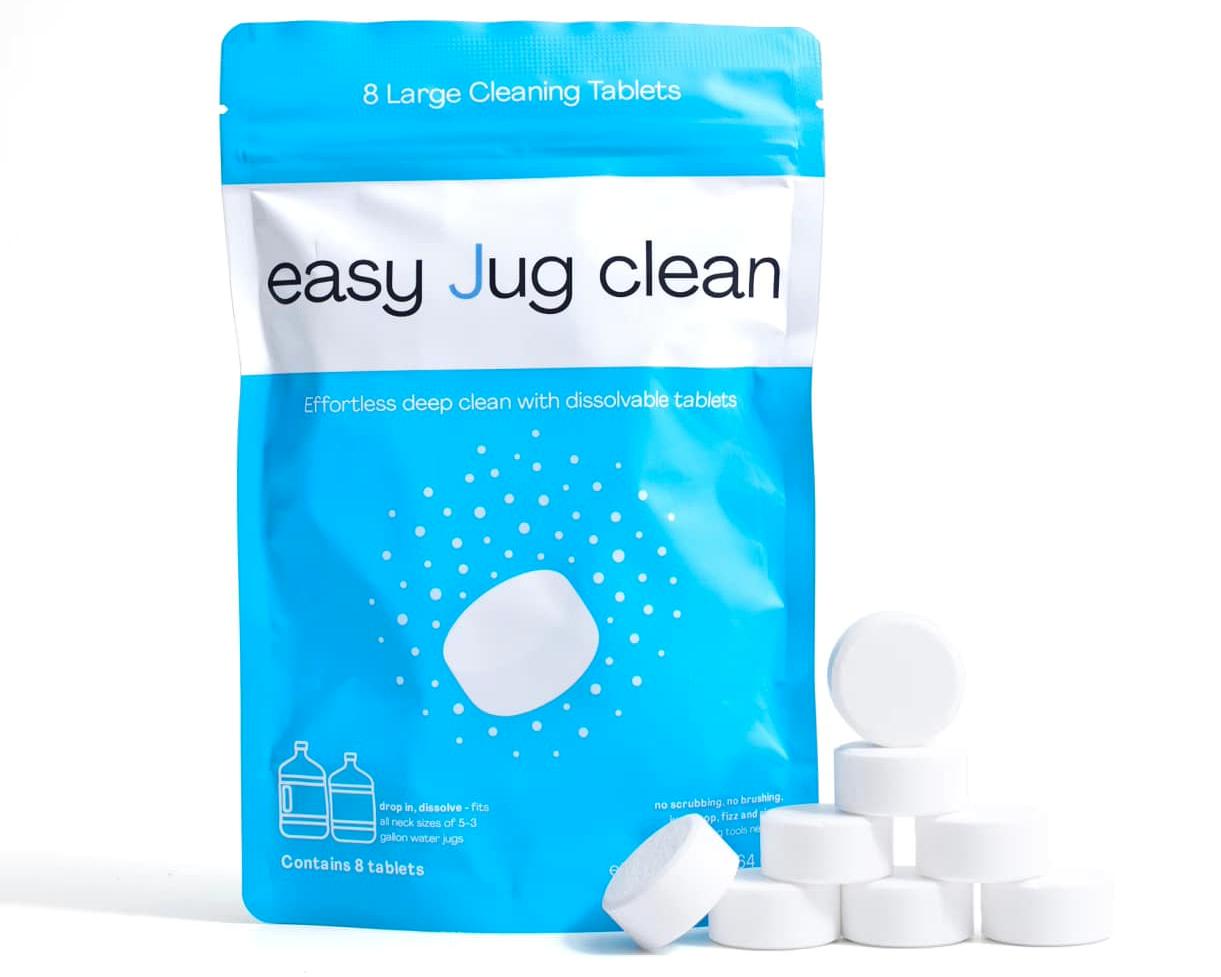
Easy Jug Clean solves the office contamination problem at its root: by making sanitization so simple and effortless that shared responsibility becomes a non-issue.
Here's why it works where everything else fails:
In offices that switched to Easy Jug Clean, the jug actually gets cleaned—because the friction is gone. There's no debate about whose job it is. There's no technical complexity. Someone drops in the tablets on Monday morning and moves on. The contamination timeline resets.
What This Means for Your Office
If your office water cooler hasn't been chemically sanitized in months, it's contaminated—even if it looks crystal clear. The biofilm is there. The mineral scale is there. The bacteria are there.
The good news: how to clean a water cooler jug the right way is now so simple that you can establish a sustainable cleaning schedule—starting today.
✅ Turn Your Office Water into a Health Asset
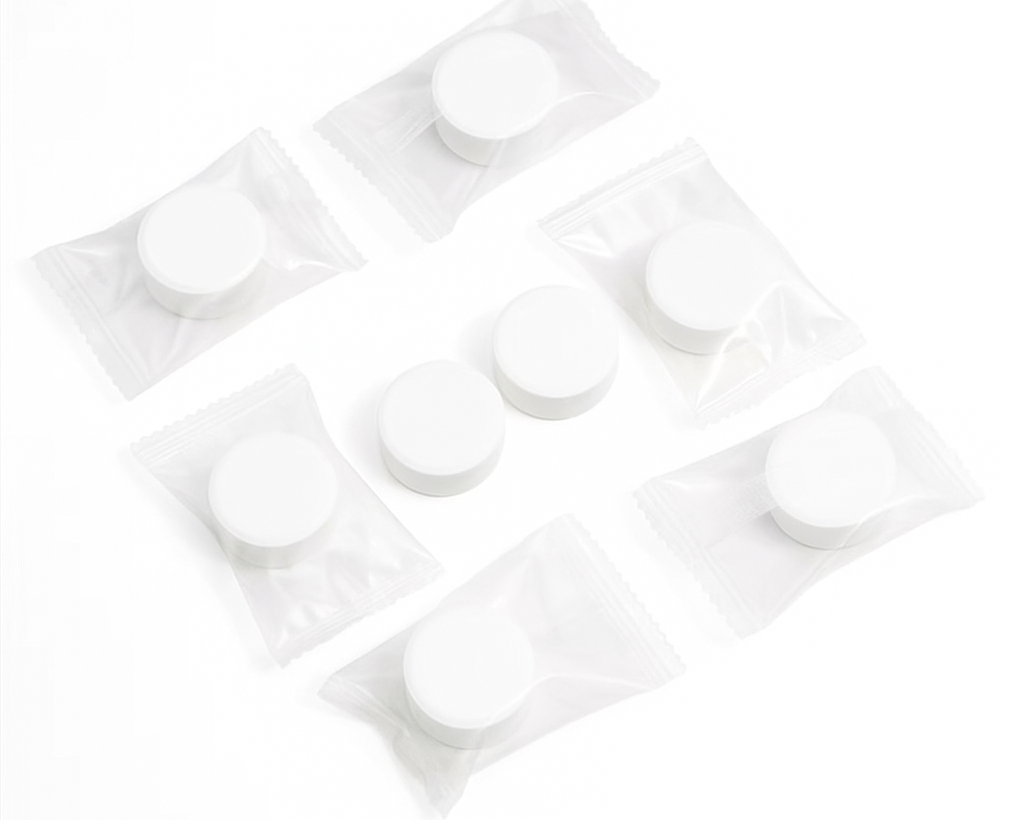
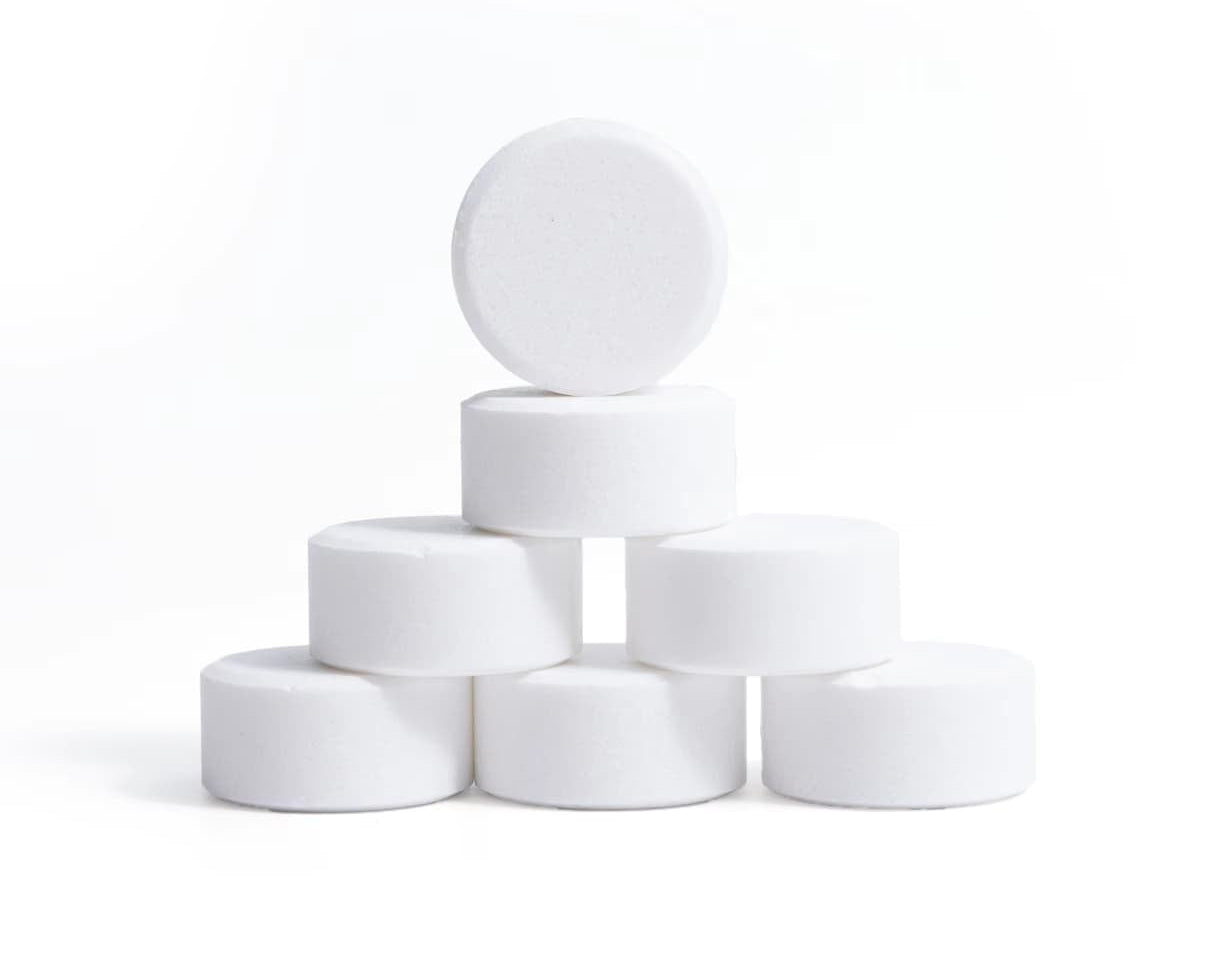
Office contamination is real, but it's preventable. Easy Jug Clean dissolves biofilm, kills bacteria, and resets your jug's microbial clock—in 20 minutes, with no expertise required. Drop 2 tablets, wait, rinse, and done. Your team gets clean water. You get peace of mind.
See how Easy Jug Clean sanitizes a water cooler jug in 20 minutes — no scrubbing required:
The Takeaway
Office water cooler jugs are the most contaminated shared appliances in any building because of high traffic, long periods without cleaning, and the shared responsibility problem. When everyone is responsible, nobody cleans. When the method is complex, people skip it.
Easy Jug Clean removes both barriers. Simple enough for anyone, effective enough to matter.


 Order now — get it by