Water Dispenser vs. Water Filter Pitcher: Which Is Actually Cleaner?
Reading time: ~8 minutes | Water Dispenser Filter Pitcher Comparison Guide
Water Dispenser vs. Water Filter Pitcher: Which Is Actually Cleaner?
How Water Dispensers Work (and Their Contamination Risks)
A water dispenser (cooler) with a 5-gallon jug is a storage-and-delivery system. The jug sits on top (or below), connects to an internal reservoir, and delivers water through spigots when you press a button.
Contamination pathway: Jug → probe → internal reservoir → spigots → your glass
The primary risk is biofilm formation inside the jug itself. Bacteria and biofilm colonize the jug's interior walls over 2-4 weeks, even if the water came clean from the bottling facility. This contamination then flows downstream into the dispenser's internal reservoir and spigots.
Secondary risk: The dispenser's internal surfaces (especially the reservoir and nozzles) become biofilm growth sites if the jug isn't regularly cleaned. The internal reservoir is often overlooked during cleaning, becoming a silent contamination source.
Cleanliness advantage: If both the jug and dispenser are regularly cleaned (weekly for the jug, monthly for internal components), the dispenser can deliver very clean water. The spigots are protected from external contamination by the delivery nozzle design.
Cleanliness risk: If jug cleaning is skipped or infrequent, the entire system becomes contaminated. Many households clean dispensers without cleaning jugs, which is backwards and ineffective.
How Water Filter Pitchers Work (and Their Contamination Risks)
A water filter pitcher works on point-of-use filtration. You fill the pitcher with tap water, the water passes through a activated-carbon filter cartridge, and flows into the bottom reservoir where you dispense it.
Filtration pathway: Tap water → filter cartridge → reservoir → spout → your glass
Filter pitchers excel at reducing certain chemicals (chlorine, some pesticides) and improving taste. However, they do NOT sterilize water. They don't remove viruses or most bacteria. Activated-carbon filters are excellent at absorption, but they don't kill microorganisms.
Contamination pathway: The pitcher's reservoir is a storage container just like a water jug. Once water sits in the lower reservoir, biofilm can form on the interior surfaces, especially around the spout where water sits longest. The filter cartridge itself can become a biofilm growth site if not replaced regularly.
Cleanliness advantage: Smaller volume means less water sits stagnant at any one time (a pitcher holds 10 cups vs. a 5-gallon jug's 19 liters). More frequent water turnover can reduce contamination risk if you refill regularly. Filters are easy to replace monthly.
Cleanliness risk: Filter pitchers are rarely cleaned. Most people refill them without ever washing the reservoir or spout. If you leave water sitting in the pitcher for more than a day or two, biofilm begins forming just as it does in a jug. The filter cartridge itself can harbor bacteria after 2-3 months of use.
Direct Comparison: Contamination Factors
| Factor | Water Dispenser (5-Gal Jug) | Filter Pitcher |
|---|---|---|
| Biofilm Risk in Storage Container | High. Jug interior is large (1,500+ sq in). Biofilm establishes in 2-4 weeks if not cleaned. | Moderate. Pitcher reservoir is smaller (60-100 sq in). Biofilm still forms if water sits beyond 2-3 days. |
| Biofilm Risk in Delivery System | High. Internal reservoir and spigots require monthly cleaning to prevent contamination. Often neglected. | Moderate. Filter cartridge and spout require weekly washing and monthly replacement. More frequently addressed by users. |
| Contamination Source Prevention | Weekly jug cleaning is essential and not always done. If jug is dirty, entire system is compromised. | No "source" jug, but filter cartridge becomes less effective over time. Monthly replacement helps prevent bacterial colonization of the filter itself. |
| Ease of Full System Cleaning | Labor-intensive. Requires jug sanitization (difficult with brushes alone) plus dispenser internal cleaning (often inaccessible). | Easier. Pitcher parts are accessible. Spout and reservoir can be hand-washed like normal dishware. |
| Vulnerability to Neglect | Very high. Skipping weekly jug cleaning means the system becomes progressively contaminated. The invisible nature of biofilm makes neglect easy. | Moderate. Even if not cleaned, filter replacement provides some protection. Smaller volume means less stagnant water accumulation. |
| Spigot/Spout Contamination | Moderate to High. Spigots are touch surfaces with high contamination risk if nozzles aren't cleaned weekly. | Low. Spout is simpler, smaller, and easier to clean. Less surface area for biofilm accumulation. |
| Hidden Contamination (Invisible) | High. Internal reservoir is not visible and is commonly neglected. Bacterial colonies can thrive there unseen for months. | Low. Most pitcher parts are transparent or visible. Problems are easier to detect visually. |
Filtration Effectiveness: Why It Matters
It's important to note that water dispensers and filter pitchers serve different purposes:
- Dispensers: Deliver drinking water without filtration. They assume the source water (from the bottling company) is already safe. Contamination risk comes after delivery (during storage and use).
- Filter Pitchers: Filter tap water to improve taste and reduce some chemicals. They remove chlorine taste/odor and some sediment, but they don't sterilize or remove most bacteria/viruses.
A filter pitcher doesn't make tap water safer from a microbial standpoint—it makes it taste better. A water dispenser (in theory) provides pre-filtered, clean water, but only if the jug and system are maintained.
Maintenance Requirements: The Real Cleanliness Factor
Here's the truth both systems must follow: Cleanliness depends 100% on maintenance, not on the system itself.
Dispenser Maintenance Schedule:
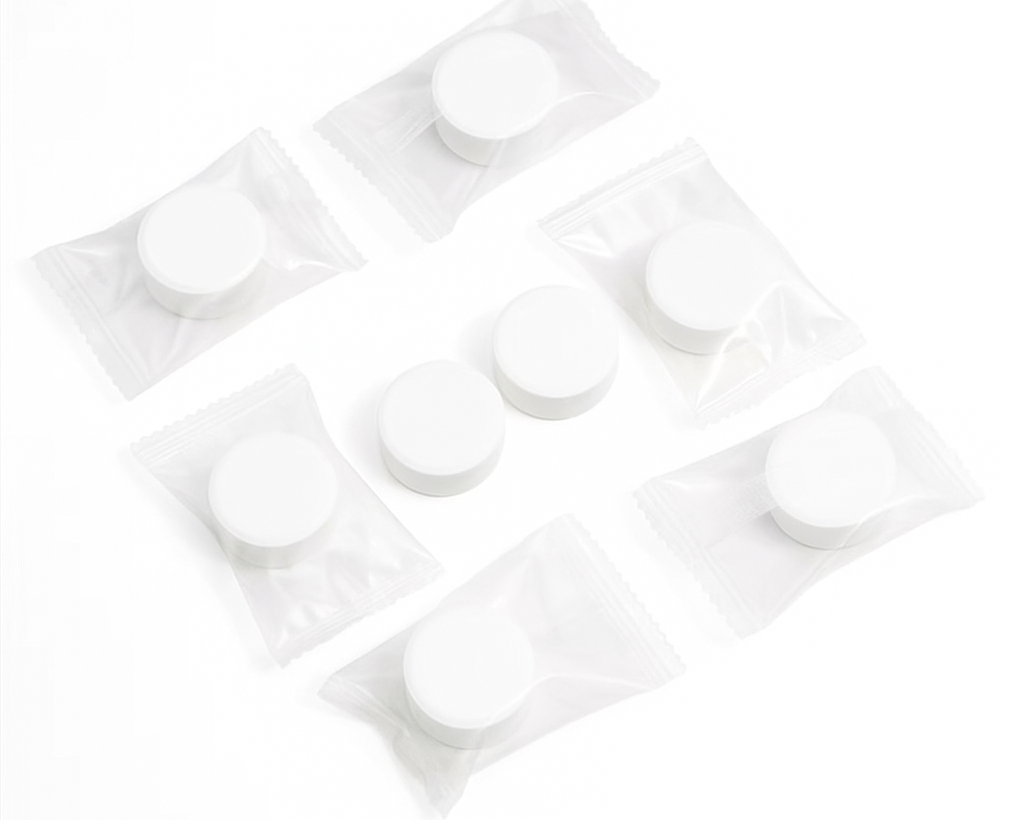
- Weekly: Clean jug with sanitizing tablets or solution
- Weekly: Clean spigots and nozzles
- Weekly: Empty and rinse drip tray
- Monthly: Deep clean dispenser exterior and inlet
- Quarterly: Deep clean internal reservoir (if accessible)
Filter Pitcher Maintenance Schedule:
- Daily or every 2 days: Refill pitcher (prevents stagnation)
- Weekly: Hand-wash pitcher reservoir and spout
- Monthly: Replace filter cartridge
- Quarterly: Deep clean pitcher with vinegar solution
The dispenser requires more labor per cleaning session (especially jug sanitization), but you're doing it less frequently (weekly instead of every 1-2 days). The pitcher requires less labor per session but more frequent refilling and washing.
Cost Comparison: Both Have Hidden Expenses
Water Dispenser Operating Costs:
- Bottled water jug: $6-$8 per 5-gallon jug
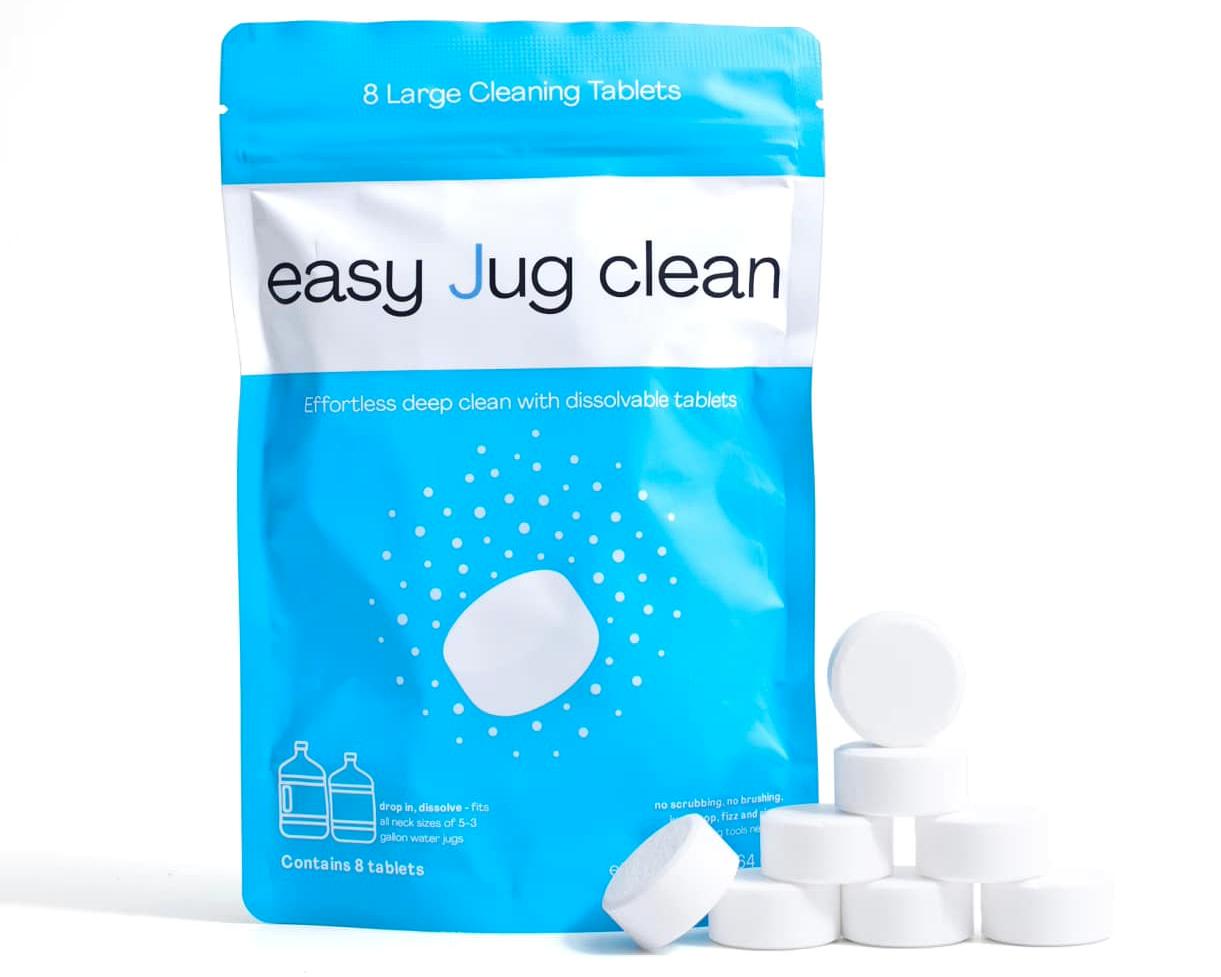
- Jug cleaning (with Easy Jug Clean tablets): ~$0.62 per week = $32/year
- Annual estimate: $300-$400 (assuming 50+ jugs per year in household use)
Filter Pitcher Operating Costs:
- Pitcher (one-time): $20-$40
- Filter cartridges: $15-$30 per cartridge, lasting 1-2 months = $90-$180/year
- Annual estimate: $90-$180 (tap water is essentially free)
The filter pitcher is significantly cheaper over time. However, this assumes you're maintaining it (replacing filters on schedule). If you buy pitchers and don't replace filters, or if you buy bottled water and don't clean either system, costs become irrelevant—both systems will be contaminated.
Convenience Comparison
Water Dispenser: Load a new jug, press button, immediate hot/cold water. Convenient for families, offices, heavy water users. Downside: jug installation requires strength, and water dispenser installation has an upfront cost.
Filter Pitcher: Fill pitcher from tap, wait for filtering (5-10 minutes), dispense into glass. Convenient for small households, renters, budget-conscious users. Downside: smaller supply (10 cups vs. 5 gallons), requires frequent refilling.
Convenience favors the dispenser for heavy users; pitchers win for flexibility and ease of setup.
The Cleanliness Verdict
If both systems are properly maintained:
- Water Dispensers with regularly cleaned jugs deliver very clean water. The jug-first cleaning protocol (using Easy Jug Clean tablets for complete surface coverage) eliminates the primary contamination source.
- Filter Pitchers with monthly filter replacement and weekly cleaning also deliver clean water, though the filter doesn't remove bacteria—it only prevents them from passing through after filtration (but bacteria can still grow in the pitcher itself).
The real difference: Water dispensers require you to be proactive about jug cleaning (upstream). Filter pitchers require you to be proactive about filter replacement (downstream). Most people find filter replacement easier to remember than jug sanitization.
However, a well-maintained dispenser with proper jug cleaning can achieve superior cleanliness because the water source (the jug) is actively sanitized, not just filtered.
FAQ
Q: Can I use a filter pitcher with a water dispenser for extra filtration?
A: Yes, but it's redundant. The dispenser water is already your cleanest tap alternative (assuming jug is maintained). Running it through a filter pitcher would improve certain tastes but add an extra step. If you want better taste, focus on maintaining your dispenser jug well instead.
Q: Which system is better if I never clean either one?
A: A filter pitcher. Even with monthly filter replacement and minimal cleaning, a pitcher has less surface area and smaller volume, so contamination accumulates more slowly. A water dispenser without jug cleaning becomes highly contaminated within 4 weeks. Neglect hurts the dispenser far worse.
Q: Can bacteria pass through water filter cartridges?
A: Yes. Most activated-carbon filters are designed to absorb chemicals and improve taste, not to sterilize water. Bacteria can pass through or colonize the filter cartridge itself. Filters should be replaced monthly, not because they become completely ineffective, but because they become a biofilm growth site over time.
Q: Which system is recommended for families with infants or young children?
A: If choosing between these two, the filter pitcher has a lower minimum maintenance burden. However, for families with infants, neither system is a substitute for boiling water or using a water delivery service specifically certified for infant use. Dispenser water is safer than tap water if maintained, but be rigorous about weekly jug cleaning if you choose this route.
Related Reading
Both systems require maintenance. One pays bigger dividends.
✅ If You Choose a Water Dispenser, Do It Right
A water dispenser system is only as clean as its jug. Easy Jug Clean tablets sanitize the entire jug interior in 20 minutes, making regular maintenance painless. Weekly cleaning with Easy Jug Clean ensures your dispenser delivers genuinely clean water.


 Order now — get it by