How to Deep Clean a Water Dispenser: The Step-by-Step System Guide
Reading time: ~9 minutes | Deep Clean Water Dispenser Step-by-Step Guide
How to Deep Clean a Water Dispenser: The Step-by-Step System Guide
What You'll Need
For the Jug (Step 1):
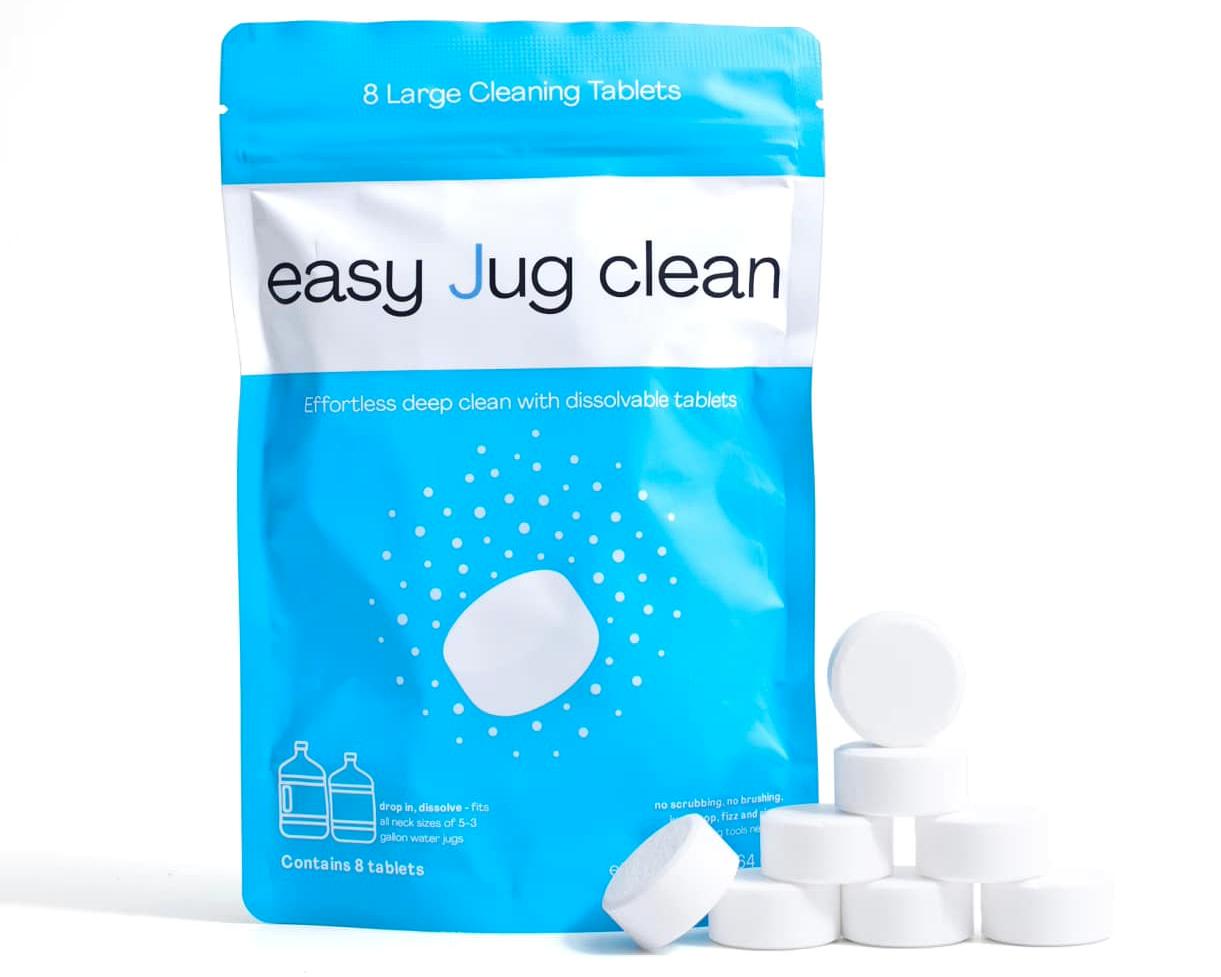
- Easy Jug Clean tablets (2 tablets per jug)
- Water (to fill the jug)
- A clean bucket or sink large enough to rinse the jug
- A drying rack or clean cloth
For the Dispenser Components (Steps 2-5):
- Food-grade sanitizing solution or diluted white vinegar (1:1 with water)
- Soft-bristled brush or cleaning brush (not abrasive)
- Microfiber cloths or lint-free paper towels
- Small, narrow bottle brush (for accessing spigot openings)
- Cotton swabs (for detailed nozzle cleaning)
- Optional: 3% hydrogen peroxide (for disinfection)
- Clean water for rinsing
- A shallow basin or bucket (to catch water during cleaning)
For the Internal Reservoir (Step 4, Quarterly):
- Food-grade sanitizer or white vinegar solution
- A long, flexible brush (if your dispenser allows internal access)
- Or: a food-grade distilled white vinegar solution to circulate through the system
The Complete Deep Clean System (In Order)
STEP 1: Clean the Water Jug First
Why First? The jug is the source. If you clean the dispenser first and then install a dirty jug, contamination flows backward into everything you just cleaned. The jug must be clean before it goes onto the dispenser.
STEP 2: Clean the Dispenser Spigots and Nozzles (Weekly)
STEP 3: Clean the Drip Tray (Weekly to Daily During Peak Use)
STEP 4: Deep Clean the Internal Reservoir (Quarterly or Every 8 Weeks)
Note: Not all dispensers allow safe access to the internal reservoir. Check your manufacturer's manual. If your dispenser doesn't provide a cleaning port or access point, skip this step or contact the manufacturer.
STEP 5: Clean the Dispenser Exterior and Water Inlet Connection (Weekly to Monthly)
The Deep Clean Schedule Reference Table
| Component | Weekly | Monthly | Quarterly |
|---|---|---|---|
| Water Jug | Clean with Easy Jug Clean tablets (2 tablets, 20 min) | Deep clean (same method) | Deep clean (same method) |
| Spigots & Nozzles | Dispense, brush, wipe, dry | Deep brush + vinegar soak | Deep brush + vinegar soak |
| Drip Tray | Empty, rinse, brush, dry | Deep scrub with sanitizer | Deep scrub with sanitizer |
| Interior Reservoir | — | — | Drain, flush with vinegar solution |
| Exterior & Inlet | Wipe with damp cloth | Full exterior + inlet deep clean | Full exterior + inlet deep clean |
Note: In summer or hot climates, increase frequency by 20-30%. If you have hard water, add an extra jug cleaning every 4-5 days and extend internal reservoir cleaning to every 8 weeks instead of quarterly.
Common Issues and Troubleshooting
Solution: You may have skipped the jug-first step. The dispenser is clean, but the jug is still a source. Clean the jug thoroughly before reinstalling, or the dispenser will be re-contaminated.
Solution: This indicates hard water mineral scale. Your cleaning solution needs chelating agents to dissolve deposits, not just brush mechanical action. Easy Jug Clean tablets include chelators specifically for this purpose.
Solution: Mineral buildup or biofilm can prevent spigot seals from closing properly. Soak the spigot nozzles in vinegar solution for 15-30 minutes, then scrub and rinse thoroughly. If leaking persists, contact your dispenser manufacturer for service.
FAQ
Q: Can I use bleach to clean the dispenser?
A: No. Bleach residue on surfaces that contact drinking water is not recommended, even after rinsing. Use food-grade sanitizers or white vinegar instead. Both are safer, effective, and won't leave harmful residues.
Q: How long does a full system deep clean take?
A: The jug cleaning takes 20 minutes (plus drying). Spigots, nozzles, drip tray, and exterior takes 15-20 minutes weekly. The quarterly internal reservoir cleaning adds another 20-30 minutes. Total time for a full system deep clean is roughly 1-1.5 hours quarterly, with 35-40 minutes weekly maintenance.
Q: Do I need to unplug the dispenser every time I clean it?
A: Unplugging is important before accessing the internal reservoir or draining the system. For routine weekly cleaning of spigots, nozzles, and tray, unplugging isn't strictly necessary, but it's a safety best practice if you're using water-based solutions near electrical components.
Q: What if my dispenser is bottom-loading?
A: The same steps apply, except the jug installation point is different. Bottom-loading dispensers still have spigots, nozzles, drip trays, and internal reservoirs that require cleaning. The principles remain identical—jug first, then dispenser components, then internal systems. If anything, bottom-loading dispensers accumulate less dust since the jug isn't exposed at the top.
Related Reading
Every component matters. Every step counts.
✅ Complete System Cleaning Made Simple
The jug is the foundation of dispenser cleanliness. Easy Jug Clean tablets handle jug sanitization in 20 minutes, freeing you to focus on dispenser components. Clean upstream first, and your entire system stays cleaner longer.


 Order now — get it by