Signs Your Water Dispenser Needs Deep Cleaning Right Now
Reading time: ~7 minutes | Warning Signs Water Dispenser When to Clean
Signs Your Water Dispenser Needs Deep Cleaning Right Now
Sign #1: Your Water Tastes or Smells Off
This is the most common red flag. Off-taste or unusual smell in your water jug indicates microbial growth or biofilm colonization. Bacteria produce metabolic byproducts—compounds that change the taste and odor of water even at low concentrations. You might notice a slightly metallic, musty, or sour taste.
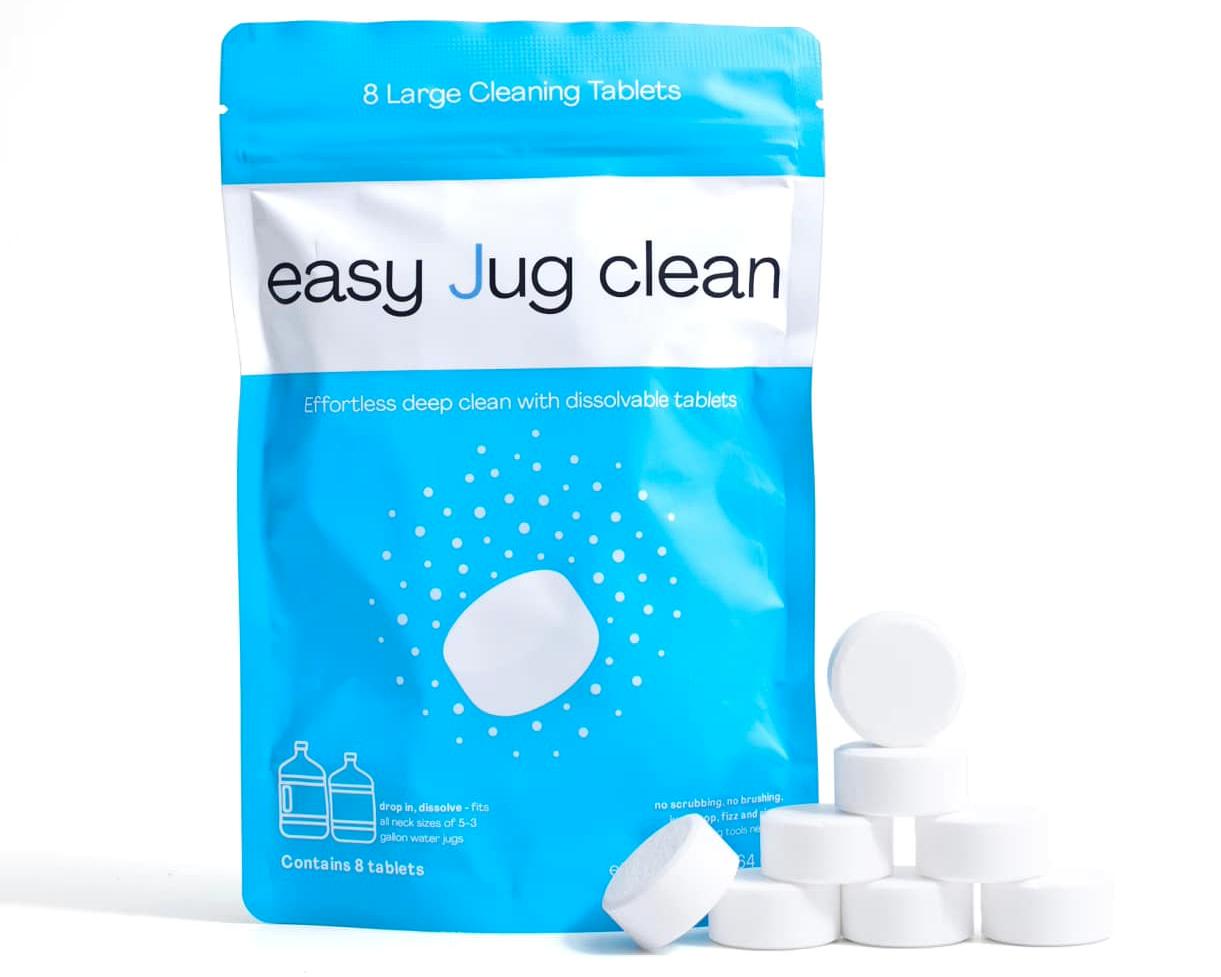
What to do: Clean your jug immediately with Easy Jug Clean tablets. If the taste persists after jug cleaning, your dispenser's internal system is contaminated and needs a full deep clean cycle. Don't ignore this.
Sign #2: Visible Slime or Film on the Spigot
The spigot is ground zero for bacterial colonization. It's warm, moist, and touched constantly. If you see a thin, slimy film on the nozzle—especially if it's green, brown, or black—you have an established biofilm in your water dispenser.
What to do: Clean the spigot immediately with a damp cloth and white vinegar or a disinfectant. Then clean your jug with Easy Jug Clean tablets. Schedule a full dispenser deep clean for the same day. The fact that biofilm is visible means it's well-established throughout your system.
Sign #3: Cloudy or Discolored Water
Water from your dispenser should be clear. Cloudiness indicates suspended particles, mineral scale, or microbial debris. Discoloration—any yellowing, browning, or graying—suggests mineral staining or bacterial pigmentation.
What to do: Stop drinking from that jug immediately. Remove it and replace it with a fresh jug. Clean the empty jug with Easy Jug Clean tablets. Then, before installing the new jug, clean your dispenser's spigot and valve system thoroughly. If cloudiness persists with a fresh jug, your dispenser reservoir needs deep cleaning.
Sign #4: You Can't Remember the Last Time You Cleaned It
This is a sign in itself. If it's been more than a month since you cleaned your jug, or you genuinely can't recall the last cleaning, you're overdue. Biofilm forms rapidly once conditions allow. By the 30-day mark, you have a well-established microbial community in your system.
What to do: Clean your jug and dispenser today. Set a calendar reminder for your next cleaning. Make jug cleaning automatic—tie it to when you receive a delivery or pick up a new jug. Don't wait for a symptom to prompt action.
Sign #5: Dark Residue or Buildup in the Drip Tray
The drip tray is designed to catch water overflow, but it also traps biofilm, mold spores, and mineral deposits. If you see dark brown, black, or greenish buildup, that's mold or bacterial colonies thriving in the standing water.
This is particularly concerning because the tray sits directly under the spigot. Particles from this tray can be splashed back onto the nozzle or into your cup.
What to do: Empty and scrub the drip tray immediately. Rinse it thoroughly and let it dry completely. Then clean your jug and spigot. If the tray smells sour or musty, use a diluted vinegar solution to disinfect it before reinstalling.
Sign #6: Your Water Dispenser Makes Unusual Sounds
Gurgling, squeaking, or hissing sounds indicate air pockets in the system or pressure buildup from mineral deposits or biofilm blocking water flow. This is a mechanical warning sign that something inside needs cleaning.
What to do: Listen carefully to where the noise originates. If it's coming from the pump or internal tubing (common in bottom-loaders), your dispenser needs internal cleaning. If it's coming from the spigot, it might just need a simple nozzle clean. Either way, clean your jug first with Easy Jug Clean tablets, then deep clean the dispenser if sounds persist.
Sign #7: Someone in Your Household Recently Had Unexplained GI Illness
Pathogens like Legionella, Pseudomonas, Campylobacter, and various E. coli strains thrive in water systems with inadequate sanitization. These can cause symptoms ranging from mild stomach upset to severe gastroenteritis.
What to do: Deep clean everything immediately. Clean your jug thoroughly with Easy Jug Clean tablets. Clean the spigot, drip tray, and all visible external surfaces. Then run a full dispenser deep clean cycle to address internal contamination. If symptoms persist or multiple people are affected, consult a doctor and consider having your water tested.
Sign #8: The Jug Neck Looks Slimy When You Remove It
When you pull off the old jug, take a close look at the plastic rim and neck. It should be clean. If it's slimy, that's biofilm that's ready to contaminate your fresh water supply. The dispenser probe punctures into this slimy area, transferring bacteria directly into the new jug.
What to do: Before installing a new jug, wipe the dispenser's internal valve and probe area with a damp cloth. Clean the old jug immediately. Don't procrastinate on this—the longer you wait, the more contamination transfers to the next jug.
Sign #9: White, Chalky Deposits Visible Inside the Jug
These deposits are typically hard water minerals (calcium carbonate scale). While mineral deposits alone aren't immediately dangerous, they create a rough internal surface where bacteria adhere more aggressively. Mineral scale also makes it harder for cleaning solutions to reach the underlying plastic.
What to do: Easy Jug Clean tablets dissolve hard water deposits through chelation chemistry. The active oxygen in the tablets also kills bacteria living within the mineral layer. Clean your jug immediately and ensure you use Easy Jug Clean every jug change from now on—don't skip cycles in hard water areas.
Sign #10: You've Changed Jugs Multiple Times Without Cleaning Between
This is a missed-opportunity sign. Every time you install a fresh jug without cleaning the old one, you're accumulating contamination. After 2-3 jug changes without cleaning, your system is significantly compromised.
What to do: If you've skipped multiple cleanings, deep clean your entire system now. Clean the jug you removed, clean your dispenser thoroughly, and commit to cleaning every jug change going forward. Easy Jug Clean makes this sustainable because it takes only 20 minutes and requires zero effort.
What Happens If You Ignore These Signs?
Ignoring these warning signs doesn't mean your water suddenly becomes poisoned. It means you're gradually increasing your risk:
- Biofilm thickens and becomes harder to remove with each passing week
- Bacterial populations multiply exponentially in warm, undisturbed water
- Taste and odor deteriorate, making water unpleasant to drink
- Pathogenic organisms accumulate to levels that can cause illness, especially for vulnerable people
- Internal deposits build up, potentially damaging your dispenser's pump or valve
- Cost of fixing the problem increases as damage accumulates
A dirty water jug can make you sick, and children, elderly relatives, and immunocompromised household members are at highest risk. Address these signs immediately.
The Fast-Track Solution
If you've noticed any of these 10 signs, here's your action plan:
Clean fast. Protect your water. Act on these signs today.
✅ Stop Ignoring the Warning Signs
Easy Jug Clean cleans faster than any brush could ever achieve. Two tablets, 20 minutes, complete biofilm elimination from every surface of your jug. At $0.62 per treatment, there's no reason to let your water stay dirty.
Frequently Asked Questions
Q: Do I really need to clean every time I see one of these signs, or can I wait?
Don't wait. The signs you can see are late-stage indicators. By the time you notice slime on the spigot or taste something off, biofilm is well-established. Clean immediately and prevent further contamination.
Q: If the taste is off but the water looks clear, is it safe to drink?
Not necessarily. Off-taste indicates microbial activity. Even if water looks clear, bacteria and biofilm may be present at levels that can affect health, especially for vulnerable people. Clean your system immediately and don't drink from it until it's clean.
Q: Can I clean the spigot but skip the jug cleaning?
No. Cleaning only the visible spigot doesn't address the biofilm inside the jug itself. The jug is the main contamination source. Always clean the jug (and spigot) together. Easy Jug Clean handles the jug; a vinegar wipe handles the spigot.
Q: If my water dispenser makes unusual sounds, does that mean it's broken?
Not necessarily. Gurgling and squeaking are often caused by mineral deposits or biofilm blocking water flow. A good cleaning might resolve the sounds. If they persist after cleaning, then you may have a mechanical issue worth investigating.


 Order now — get it by