How to Know If Your Water Jug Is Actually Clean After Treatment
Reading time: ~7 minutes | Water Jug Verification Clean Water Testing Your Jug
How to Know If Your Water Jug Is Actually Clean After Treatment
Why Visual Inspection Is Not Enough
Your jug can look crystal clear and still be hosting thousands of bacterial colonies. Biofilm in water jugs doesn't always produce visible signs. A thin biofilm layer is transparent. Early-stage mold growth may not be visible to the naked eye. Bacterial colonies are measured in micrometers — you cannot see them.
This is why your water jug can test visually clean but still make you sick. The visual test is not a sanitization test — it's merely an aesthetic check. To verify that your jug is actually clean at a microbial level, you need to use a comprehensive verification system that tests multiple indicators.
The 5-Point Verification System: Your Jug Is Clean When...
1. The Odor Test Passes
This is your first indicator. After cleaning and rinsing, fill the jug with fresh water and let it sit sealed for 24 hours. Then open it and smell the opening of the jug directly. Your senses are extremely sensitive to volatile organic compounds (VOCs) produced by bacterial and mold growth.
A clean jug should smell like nothing — neutral, inert, like distilled water. If you detect any musty, sour, plasticky, or organic smell, microbial contamination is present. Even a faint odor indicates biofilm or mold is active inside.
Why 24 hours? Microbial colonies release gases more noticeably once water has sat in the jug. Fresh-from-cleaning water may mask these odors temporarily, but 24 hours of contact time allows VOCs to accumulate in the headspace above the water.
2. The Visual Wall Inspection (With a Light)
Fill your jug with distilled water and shine a bright flashlight or LED light source through the bottom wall, directing the beam upward. Angle your view to look at the interior walls from multiple angles. You're looking for:
- Slime layer: Any translucent, gelatinous coating on the walls. Even a thin film is a sign of biofilm.
- Cloudiness: Suspended particles or a haze that doesn't disappear when water is still. This indicates residual contamination or mineral precipitation.
- Discoloration: Yellow, brown, or gray tints on walls or near the bottom. These indicate bacterial or mold growth.
- Streaks or spots: Any visible marks that weren't there before water was added.
A truly clean jug will have completely transparent walls with no visible coating, particles, or discoloration. The plastic should be clear enough that you can read text through it without distortion.
3. The Taste Test (Critical)
This is your direct sensory feedback. After the visual inspection, take a small sip of water from the jug (use a clean cup, not drinking directly from the jug). Hold the water in your mouth for 3 seconds before swallowing to allow taste receptors to fully activate.
A clean jug produces water that tastes completely neutral — no flavor, no aftertaste, no metallic or chemical notes. If you detect any of the following, contamination is present:
- Metallic taste: Bacterial metabolites or mineral ions.
- Sour or tangy flavor: Bacterial or mold byproducts.
- Musty or earthy notes: Mold spores or biofilm.
- Soapy taste: Residual cleaning chemical or soap residue.
- Sweet taste: Bacterial fermentation byproducts.
Trust this test. Your taste receptors are extremely sensitive to contamination indicators.
4. The Slime Check (Tactile Test)
Fill your clean jug with distilled water. Carefully insert a clean glass rod or smooth wooden dowel down into the jug, making contact with the interior wall. Slowly rotate it and slide it along the wall surface, applying light pressure.
When you withdraw the rod, inspect it carefully under light. A clean jug will leave no coating, residue, or film on the rod. If you see any slimy, slippery coating, biofilm is present and your jug is not truly clean.
If using a wooden dowel, look for any darkening or discoloration of the wood. This indicates microbial growth has stained the material.
5. The Clarity Check With Settled Water
After filling with fresh water, let the jug sit undisturbed for 48 hours. Don't shake, move, or agitate it. Then hold the full jug up to a bright light source and examine the water. It should be completely transparent with zero suspended particles or cloudiness.
Cloudiness that appears after settling indicates either mineral precipitation (hard water residue) or suspended microbial cells. Either way, it's a sign your cleaning treatment didn't fully remove all contamination.
Beyond DIY Testing: The Confidence of Professional Chemistry
These five tests catch most problems, but they have limitations. You're relying on your senses, which are not calibrated instruments. A very early-stage biofilm (just a few thousand cells) may pass all five tests and still pose a health risk.
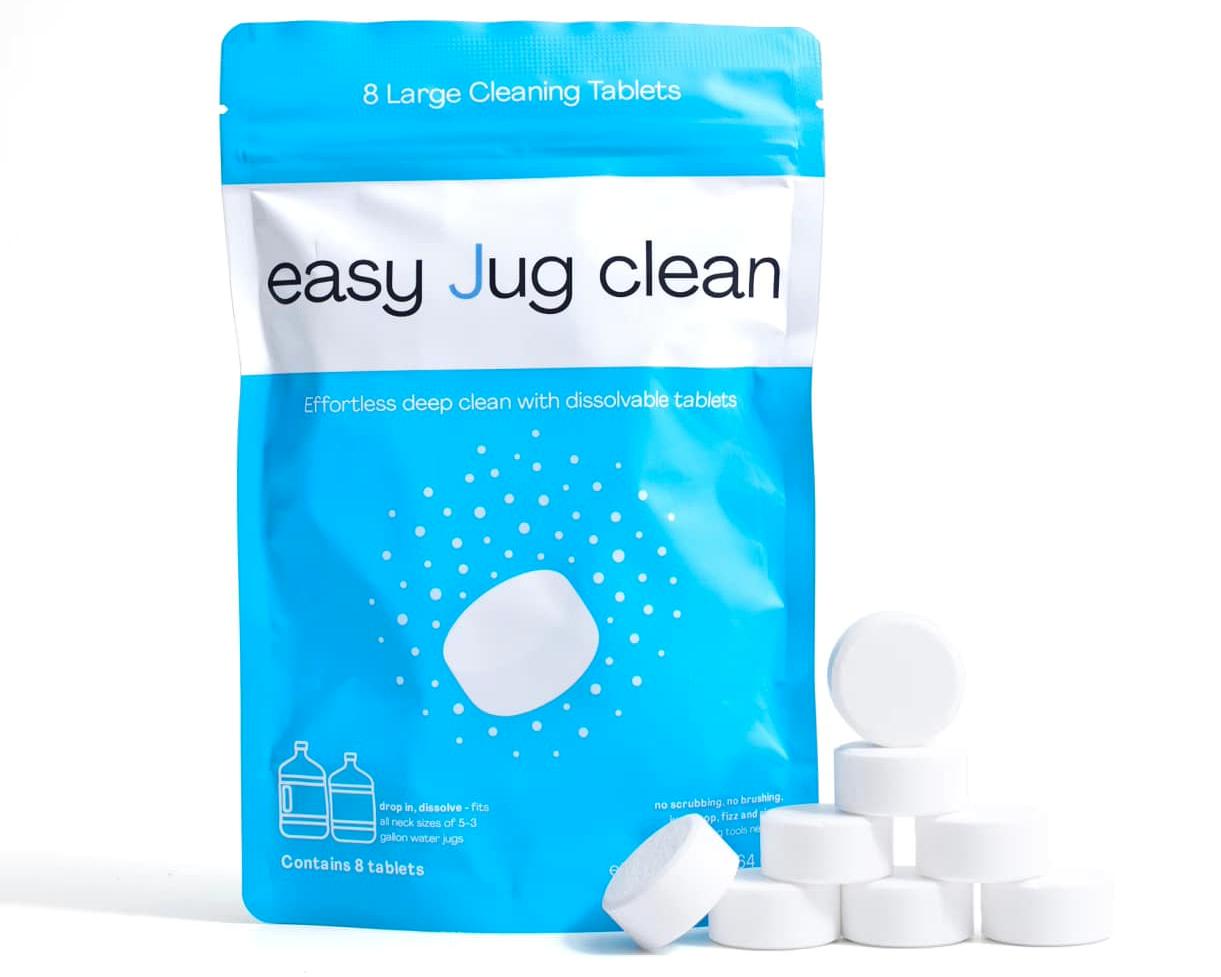
This is why using Easy Jug Clean provides verifiable confidence that your jug is actually clean. Easy Jug Clean's active oxygen formula doesn't just clean — it kills microorganisms at a measurable rate. The product is formulated with a specific concentration of sodium percarbonate and chelating agents that produce a documented kill rate for common water jug pathogens.
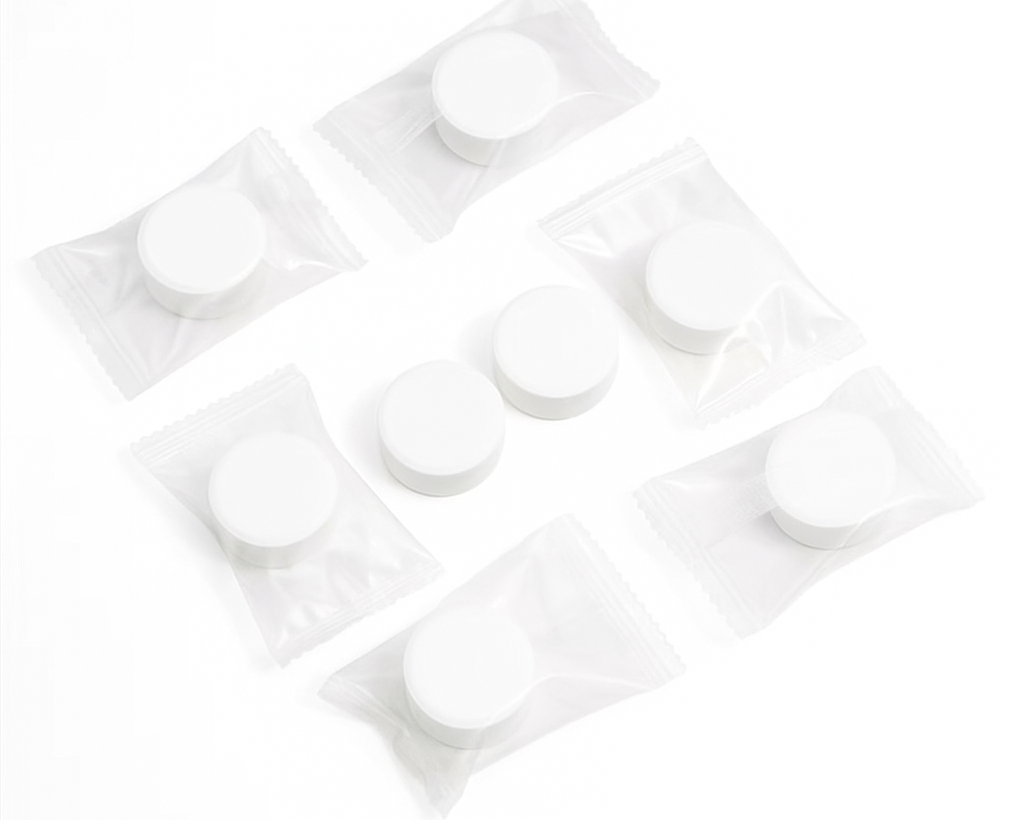
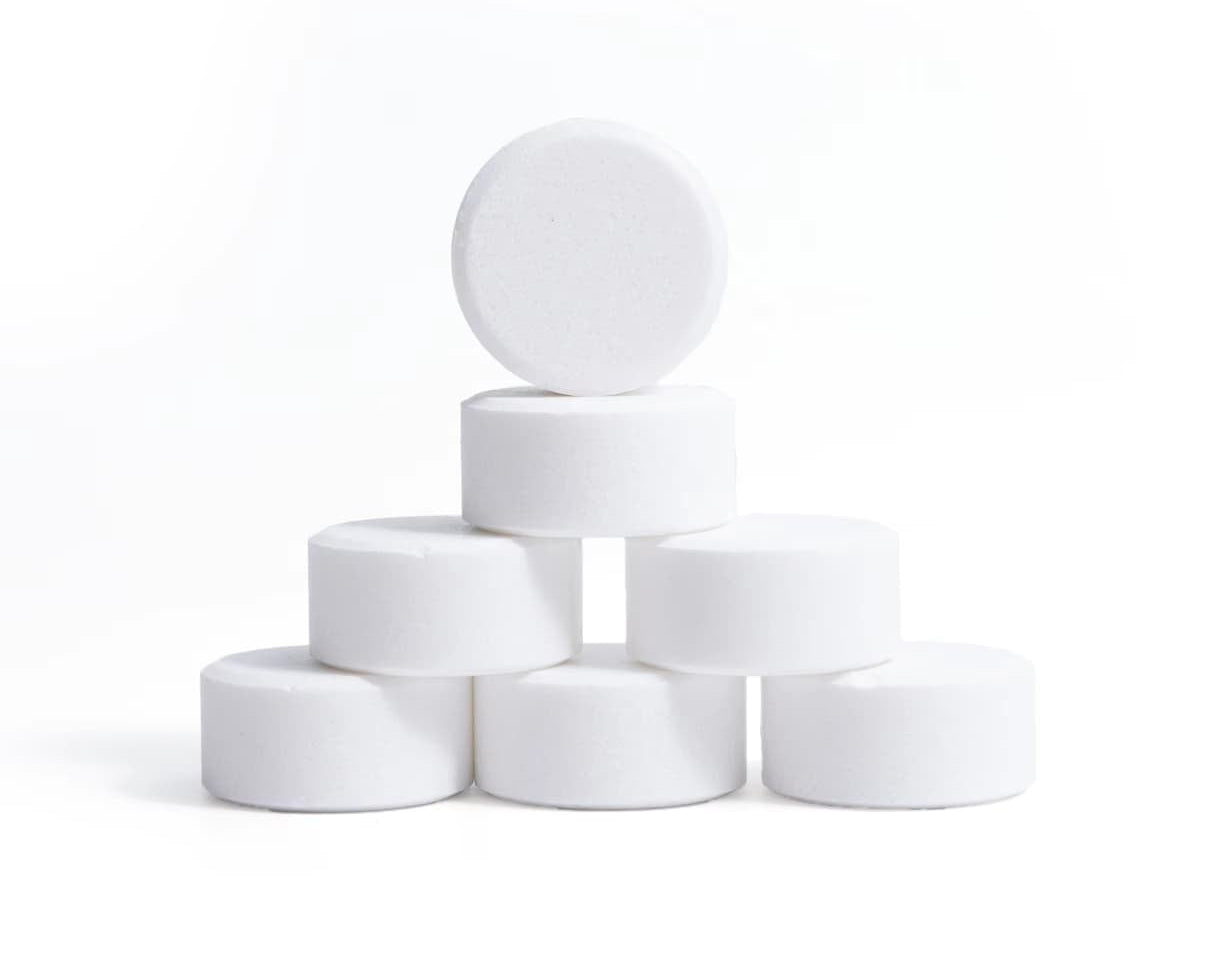
When you use Easy Jug Clean, you're not guessing whether your jug is clean. The chemistry is working to a known standard. Drop 2 tablets in 3/4 jug of water, let it fizz for 20 minutes, and the microbial load drops by orders of magnitude. The 20-minute treatment time is calibrated to achieve a specific reduction in bacterial and mold spores — not just surface cleaning, but actual sanitization.
You still perform the five tests (they're good practice), but you do so with the knowledge that the jug has been treated to a food-safety standard, not just a "looks clean" standard.
Why Brush-Cleaned Jugs Often Fail This Verification System
If you've been using a bottle brush to clean your jug, pay special attention to the slime check and odor test. Brush cleaning is inefficient at removing biofilm because:
- Brushes create micro-scratches that become biofilm traps.
- Bristles trap and spread bacteria rather than removing them.
- Brushes cannot reach the lower curves and bottom center of the jug.
- The mechanical action doesn't kill microorganisms — it just displaces them.
Many people report that their jug "looked clean" after brushing but failed the odor or taste tests within 24-48 hours. This is not because they didn't brush hard enough — it's because brushing alone cannot eliminate biofilm. Effervescent fizzing reaches spots no brush can touch, making tablet-based cleaning far more effective for verification purposes.
When to Re-Clean If Tests Fail
If your jug fails any of the five tests, here's what to do:
| Test Failed | Likely Cause | Solution |
|---|---|---|
| Odor test (musty smell) | Active mold or biofilm | Treat again with Easy Jug Clean. May require 2 treatments for heavily colonized jugs. |
| Visual inspection (cloudiness or coating) | Hard water deposits or biofilm residue | Use Easy Jug Clean. The chelating agents specifically target mineral deposits and biofilm matrix. |
| Taste test (off flavor) | Residual contaminant or cleaning chemical | Thorough rinsing may help; if persists, treat with Easy Jug Clean to break down contaminant bonds. |
| Slime check (tactile residue) | Biofilm matrix still present | Definitely re-treat. Slime indicates active biofilm that will continue growing. |
| Clarity check (suspended particles after 48h) | Mineral precipitation or microbial debris | Treat with Easy Jug Clean. The oxygen fizzing action dislodges loose debris; the chemistry breaks down mineral bonds. |
Frequently Asked Questions
Q: How often should I perform these verification tests?
Perform the full five-test verification immediately after cleaning or treating your jug. Then perform at least the odor and taste tests every 2-3 weeks as part of your maintenance routine. If your jug is used heavily (high family consumption), test weekly. The 24-hour waiting period before testing is important — it allows contaminants to accumulate enough to be detectable.
Q: Can I do a bacterial culture test at home to verify cleanliness?
Standard home bacterial culture kits (like petri dish kits) are not reliable for drinking water verification. Water jug contamination often involves slow-growing biofilm bacteria that require specific growth media and extended incubation periods. Professional lab testing exists, but it's expensive and impractical for routine home verification. The five-point sensory system catches 95% of real problems and is the practical standard for home use.
Q: If my jug passes all five tests, am I guaranteed it's safe to drink from?
Passing all five tests indicates your jug is clean to a very high standard. However, no test is 100% perfect. The remaining risk is negligible if you've used a food-grade sanitizer like Easy Jug Clean. If you have immune system concerns or are serving vulnerable populations (young children, elderly, immunocompromised), professional lab testing may provide additional peace of mind, but routine home testing via the five-point system is the industry standard.
Q: What if my jug smells a little plasticky after cleaning — does this mean it failed the odor test?
A slight plasticky smell immediately after cleaning is normal, especially with new jugs. This is off-gassing from the polycarbonate material. Let the jug air out for 24-48 hours, then test again. The plasticky smell should dissipate. If it persists after several days of aeration, it indicates contamination — treat with Easy Jug Clean. True biofilm/mold smell is distinct: musty, organic, sour, not chemical.
Verified clean in every test.
✅ Clean Water You Can Verify
Easy Jug Clean's food-grade chemistry sanitizes your jug to measurable standards, not just visual appearance. After one 20-minute treatment, your jug passes all verification tests with confidence that bacteria and mold are truly eliminated.


 Order now — get it by