What Happens to a Water Cooler Jug That's Never Cleaned
Reading time: ~6 minutes | Never Cleaned Jug Contamination Stages Water Safety
What Happens to a Water Cooler Jug That's Never Cleaned
The First 24 Hours: Bacterial Colonization Begins
The jug is new or recently rinsed. To the naked eye, it's spotless. But the moment the first person uses it, colonization begins.
Every hand that touches the spigot, every breath exhaled near the opening, every drop of water that splashes back deposits microorganisms. Streptococcus, Staphylococcus, and Pseudomonas bacteria land on the plastic interior. These bacteria are not free-floating; they're searching for a surface to attach to.
Within 12–24 hours, individual bacteria begin secreting adhesive proteins. They're not just sitting on the surface; they're anchoring themselves. A single bacterium becomes two, then four, then hundreds. But it's still invisible. The jug still looks crystal clear. The water still tastes fine.
This is the deceptive phase. Everything appears normal while a microbial city is being constructed at the cellular level.
Days 2–7: Biofilm Formation Begins
By day 3 or 4, something remarkable happens. The bacteria aren't growing individually anymore. They're communicating through a process called quorum sensing—chemical signals that tell bacteria when there are enough of them to work together.
When this threshold is reached, the bacteria switch into biofilm mode. They start secreting polysaccharides and proteins that glue them together into a protective matrix. What was individual bacteria is now a microscopic city with structure, communication, and collective defense mechanisms.
If someone were to rinse the jug at this point, they might remove some loose biofilm on the very outer layer. But the core is anchored and thriving. Within 24 hours, it would re-establish.
This is why the difference between rinsing and sanitizing a water cooler jug is so critical. Rinsing at this stage gives a false sense of security. The biofilm persists underneath.
Days 7–14: Biofilm Maturation and Microbial Diversity
The biofilm is now visible under a microscope, though still invisible to the naked eye. It's roughly 10–50 micrometers thick—thin enough to fit through pores in a coffee filter, but thick enough to create an entire ecosystem.
Different bacterial species are beginning to colonize different layers. Aerobic bacteria (those that need oxygen) live near the surface. Anaerobic bacteria (those that thrive without oxygen) inhabit deeper layers. The deeper regions become oxygen-depleted, creating microenvironments where dangerous pathogens like Pseudomonas aeruginosa can thrive.
The water still tastes fine to most people. But if you were to culture a sample, you'd find millions of bacteria per milliliter. The bacterial count is climbing exponentially.
How many people share a water cooler jug dramatically affects the contamination timeline. In an office with high traffic, dangerous contamination thresholds could be reached in just 10–14 days. In a home jug with 2 users, it might take weeks.
Weeks 2–3: Mineral Scale Deposition and Spigot Clogging
By the second week, something else is happening. If your office has hard water (common in many regions), dissolved minerals like calcium and magnesium are precipitating out of solution and accumulating on the jug's interior surfaces.
This mineral scale (also called limescale) creates a rough, crusty surface. For bacteria, this is a perfect environment. The cracks and crevices in the mineral scale provide shelter from water flow and chemical exposure. Biofilm nestles into these protected spaces and thickens further.
The spigot mechanism is getting clogged with biofilm and mineral deposits. When you press the button, the water flow might be slightly reduced. Some users will notice and mention it; others won't say anything.
Visual inspection of the jug at this stage still shows a clear liquid. But internally, the jug is becoming a bacterial fortress with multiple protective layers.
Month 1: Mold and Secondary Contamination
By week 3–4, mold is beginning to grow. The biofilm has created a perfect environment—stable moisture, established bacteria providing nutrients, surfaces with cracks and crevices.
Mold spores are everywhere in the air. They've been landing in the jug since day one. But they needed the right conditions to germinate. Now they have them. Mold colonies begin establishing in the hardest-to-clean areas: the crevices around the spigot, the interior walls near the water line, and potentially inside the spigot valve itself.
The water still looks clean. But you're now drinking a beverage that contains:
- Billions of bacteria in biofilm
- Mineral scale coating the interior
- Mold spores and mycelium
- Secondary bacterial species adapted to harsh environments
- Endotoxins released by dead bacterial cells
Some people start noticing a faint taste change. It's subtle—not rotted or obviously wrong, just slightly off. Most people attribute it to the water filter needing changing, or they ignore it entirely.
Month 2–3: Visible Contamination and Odor Development
By month 2, the biofilm is thick and mature. It's no longer measured in micrometers; it's approaching millimeters. The inner surface of the jug is coated with a slimy, sticky layer.
Mold is visible if you look closely at the spigot area or inside the jug neck. You might see faint discoloration—grayish or brownish patches where biofilm is particularly thick.
More importantly, odor has developed. The water smells slightly off—not rotten, but different. Some people describe it as "plastic-like" or "musty." This is the smell of mold and bacterial metabolic byproducts.
The bacterial count at this stage could be in the hundreds of millions per milliliter. How to clean a water cooler jug to actually address this contamination now requires serious chemical intervention. Simple rinsing is pointless. The biofilm is too thick to remove mechanically.
Month 3–6: Pathogenic Risk and Health Concerns
After 3 months without cleaning, you've crossed a threshold. The jug is no longer just contaminated; it's potentially dangerous.
The visible contamination is now undeniable. Sediment floats in the water. Discoloration is obvious. The smell is strong enough that even casual users notice.
Some people in the office might develop symptoms—throat irritation, respiratory issues, or gastrointestinal problems—that they attribute to illness rather than the water source. Because the contamination happened gradually, nobody connected the dots.
At this point, what happens to a water cooler jug that's never cleaned isn't just a hygiene issue; it's a public health issue. The jug should be removed from service and deep cleaned or replaced entirely.
The Reset: How Easy Jug Clean Works
The good news: even a heavily contaminated jug can be reset with proper sanitization.
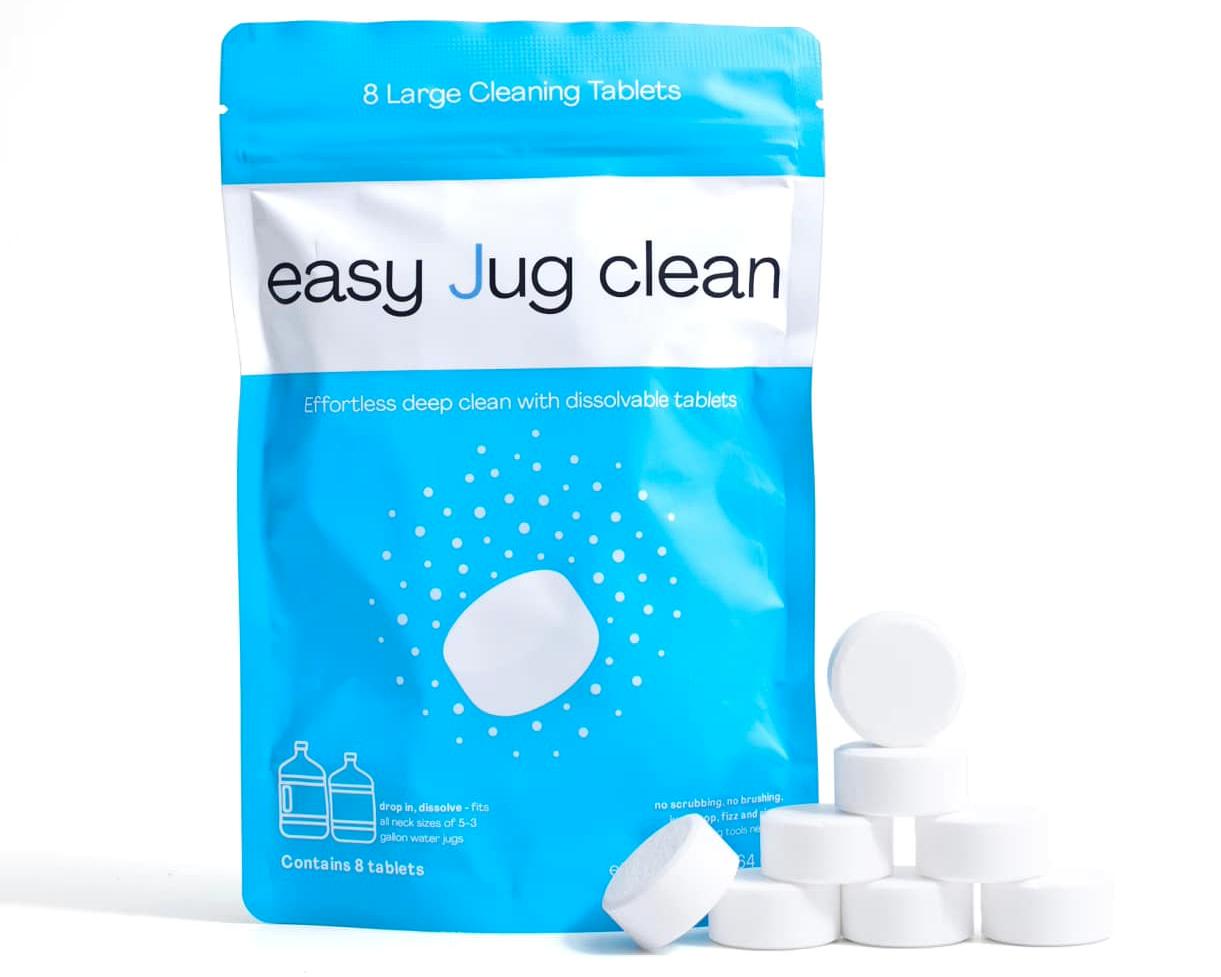
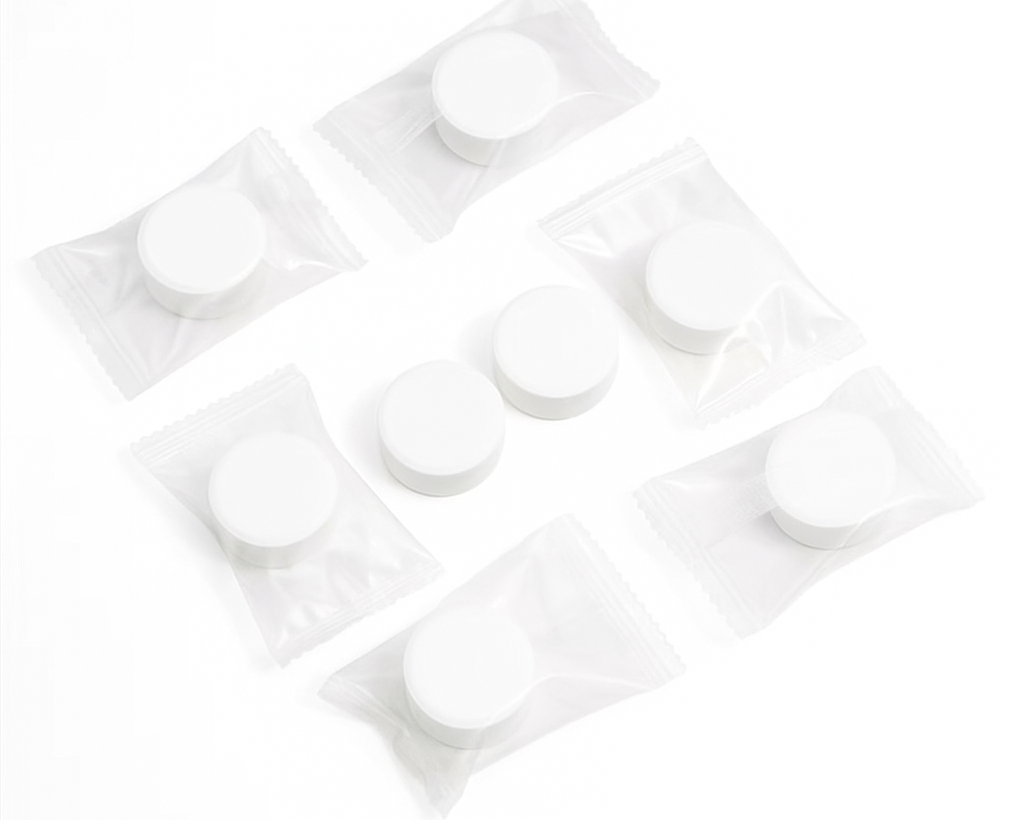
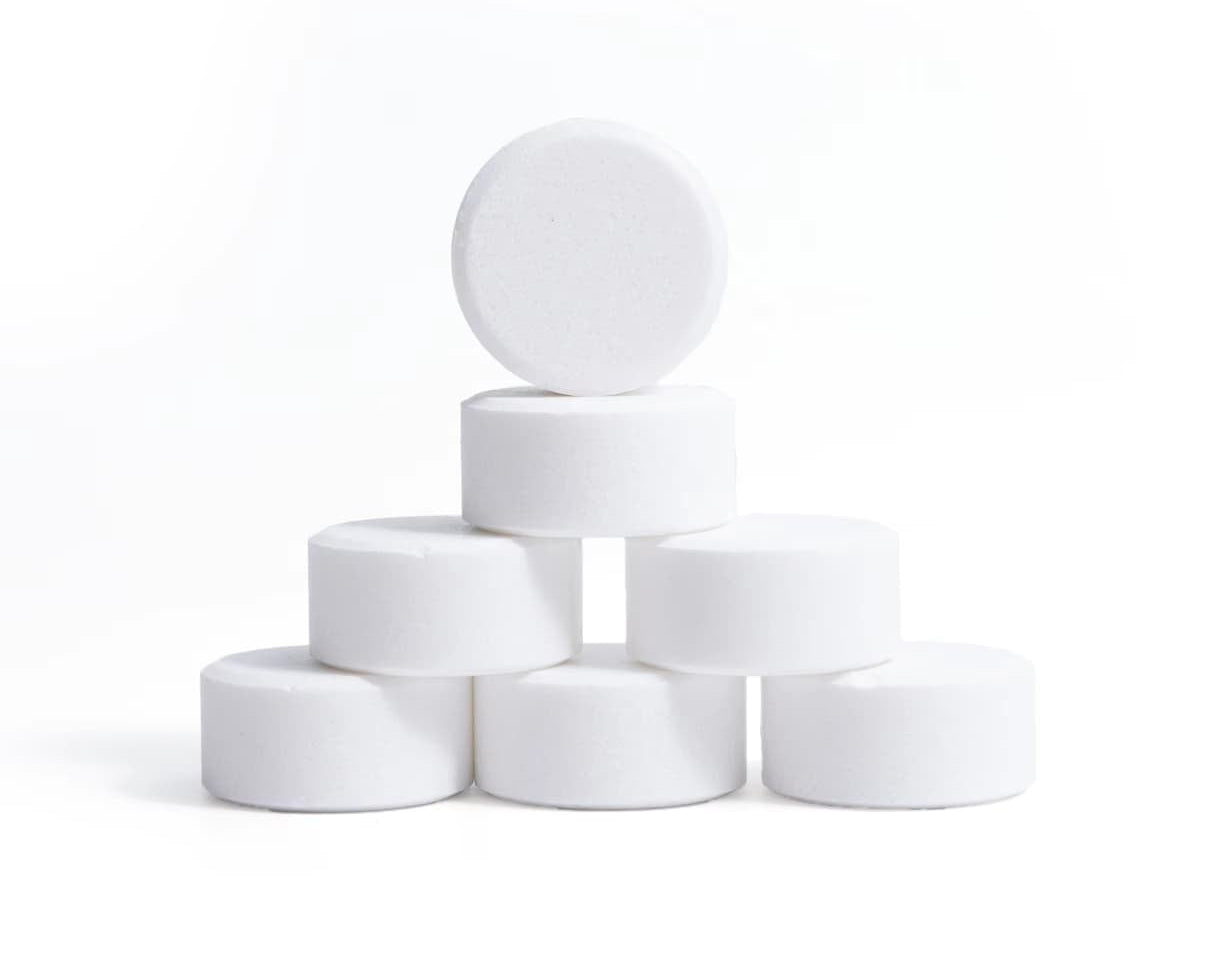
Easy Jug Clean tablets work at every stage of biofilm accumulation:
One treatment with Easy Jug Clean effectively resets the contamination clock. The jug is sanitized, biofilm is removed, and the interior is clean. You're back to day zero—and if you establish a regular cleaning schedule, you stay ahead of contamination buildup.
Why Prevention Is Easier Than Cleanup
Here's the lesson: preventing contamination is exponentially easier than cleaning it after it's established.
If you sanitize a jug on day 7 (when biofilm is just forming), it takes 20 minutes and 2 tablets. If you sanitize on day 60 (when biofilm is thick and mature), it takes 20 minutes and 2 tablets—but the restoration of the jug is more dramatic because you're removing months of accumulated contamination.
The time investment is the same. The difference is one jar looks clean the whole time; the other becomes visibly disgusting before recovery.
This is why how to sanitize a 5 gallon water jug needs to be a regular practice, not a crisis response.
The Takeaway: A Week-by-Week Reality Check
Inside an uncleaned water cooler jug:
- Week 1: Biofilm begins forming invisibly.
- Week 2–3: Biofilm matures; mineral scale accumulates; spigot function degrades.
- Month 1: Mold begins growing; water tastes slightly off.
- Month 2–3: Visible contamination; odor develops; bacterial count reaches hundreds of millions per milliliter.
- Month 3–6: Dangerous pathogens may be thriving; health risk increases significantly.
The unsettling truth: most office water cooler jugs fall into the Month 2–3+ category before anyone notices enough to act. By then, months of contamination are entrenched.
The solution: don't let it get there. Establish a regular sanitization schedule—weekly or bi-weekly depending on usage. Easy Jug Clean makes sanitization so simple that the barrier to action disappears. Two tablets, 20 minutes, and your jug stays safe.
✅ Reset Your Jug Now, Stay Ahead of Contamination
If your office jug hasn't been properly sanitized in months, it's time for a reset. Easy Jug Clean dissolves biofilm, kills bacteria, removes mineral scale, and eliminates mold—all in 20 minutes. Then establish a regular schedule to keep contamination from ever reaching dangerous levels again.
See what Easy Jug Clean does to a neglected water jug — in just 20 minutes:
Starting Fresh
Your office water cooler jug doesn't have to be a contamination horror story. Regular sanitization with Easy Jug Clean keeps biofilm from establishing, prevents mineral scale buildup, stops mold before it starts, and eliminates the risk of pathogenic infection. Clean water, every day. That's the standard—and it's achievable with the right system.


 Order now — get it by