The Contamination Direction: Why Cleaning Your Dispenser Is Pointless Without Cleaning the Jug First
Reading time: ~8 minutes | Cleaning Order Dispenser System Contamination Flow
The Contamination Direction: Why Cleaning Your Dispenser Is Pointless Without Cleaning the Jug First
Understanding Water Flow Inside Your Dispenser System
Every time you load a 5-gallon water jug onto your dispenser (whether top-loading or bottom-loading), you're initiating a one-way flow of water: from the jug, through the connection point, into the internal reservoir, and then to the spigots. This directional flow is not a circle. It's a pipeline.
The jug is the source. The dispenser is the distribution system. Contamination always travels downstream, which means downstream cleaning without upstream cleaning is cosmetic.
Think of it this way: you can wipe down the kitchen sink faucet daily, but if your main water line is contaminated, you're fighting a losing battle. The jug is your main line. The dispenser is the faucet.
Why the Jug Is the Primary Contamination Source
The 5-gallon water jug becomes contaminated through multiple pathways:
- Biofilm colonization: Within 2-4 weeks, bacteria, algae, and fungi establish biofilm communities inside the jug walls. These are sticky, adhesive layers that resist both brushing and dilute cleaning solutions.
- Invisible contamination: A jug can look crystal clear while harboring billions of microorganisms. The human eye cannot detect bacterial colonies.
- Surface area exposure: A 5-gallon jug has roughly 1,500+ square inches of interior surface. Even vigorous brushing can only contact 5-10% of the total area.
- Stagnation periods: Between refills or between uses, water sits in the jug for days or weeks. Standing water is a bacterial incubation chamber.
The dispenser, by contrast, is designed with flow-through pathways. Water moves through it continuously (when you dispense). This constant movement, combined with the smaller surface area, means the dispenser is inherently less prone to colonization—but only if the incoming water from the jug is clean.
Contamination flows from the jug into the dispenser, not the other way around. That means jug cleaning is always step one. Here's how to clean a 5 gallon water jug properly before touching the dispenser.
The Science of Contamination Flow
When you insert a clean jug into a clean dispenser, two things can happen:
Scenario A (Jug First Protocol): Clean jug → clean dispenser → clean water out of the spigot
Scenario B (Dispenser First Mistake): Dirty jug → clean dispenser → dispenser becomes contaminated within hours → contaminated water out of the spigot
The jug-to-dispenser connection point (the probe or inlet) is where the first bacterial transfer occurs. Water from the jug immediately touches the dispenser's internal surfaces. If the jug contains biofilm particles, dissolved bacterial metabolites, or living colonies, the dispenser becomes a secondary source of contamination.
Many people report that their water starts tasting or smelling off days after a new jug is installed. This happens because the jug itself is the contamination source, even if the water originally came clean from the bottling facility. The longer the jug sits in storage, distribution, or your home before use, the more biofilm develops.
The Jug-First Protocol: The Correct Order
Here's the contamination-aware cleaning sequence:
This order isn't arbitrary. It's based on the direction water flows through your system.
Why Dispensers Get Dirty Even When Regularly Cleaned
If you've ever wondered why your dispenser seems to develop biofilm again just weeks after a deep clean, this is why: the jug you installed was already colonized. The dispenser didn't fail; it's being continuously re-exposed to contamination from above.
Many people blame the dispenser. "My dispenser must have a problem," they think. But the dispenser is doing exactly what it's supposed to do—distributing whatever water comes from the jug. If the jug is a source of contamination, the dispenser becomes a secondary victim, not the culprit.
This is why a comprehensive water jug maintenance schedule that prioritizes jug cleaning first is so critical. You can't out-clean a dirty jug by only cleaning the dispenser.
The Role of the Connection Point
The probe or inlet where the jug connects to the dispenser is a critical checkpoint. This is where the jug and dispenser literally touch, and where bacteria transfer is most direct.
Some of that contamination occurs passively—particles from the jug settling into the connection port. But there's also active transfer: as water flows from the jug into the dispenser, any biofilm fragments or bacterial cells in the jug water are swept directly into the dispenser's reservoir.
This is why the connection point itself requires attention during dispenser cleaning, and why ensuring the jug is clean before installation matters so much.
How Easy Jug Clean Fits Into the Jug-First Protocol
The jug-first approach only works if you have a practical way to clean the jug thoroughly. Manual brushing is slow, labor-intensive, and incomplete. Many people skip frequent jug cleaning because it seems like too much work.
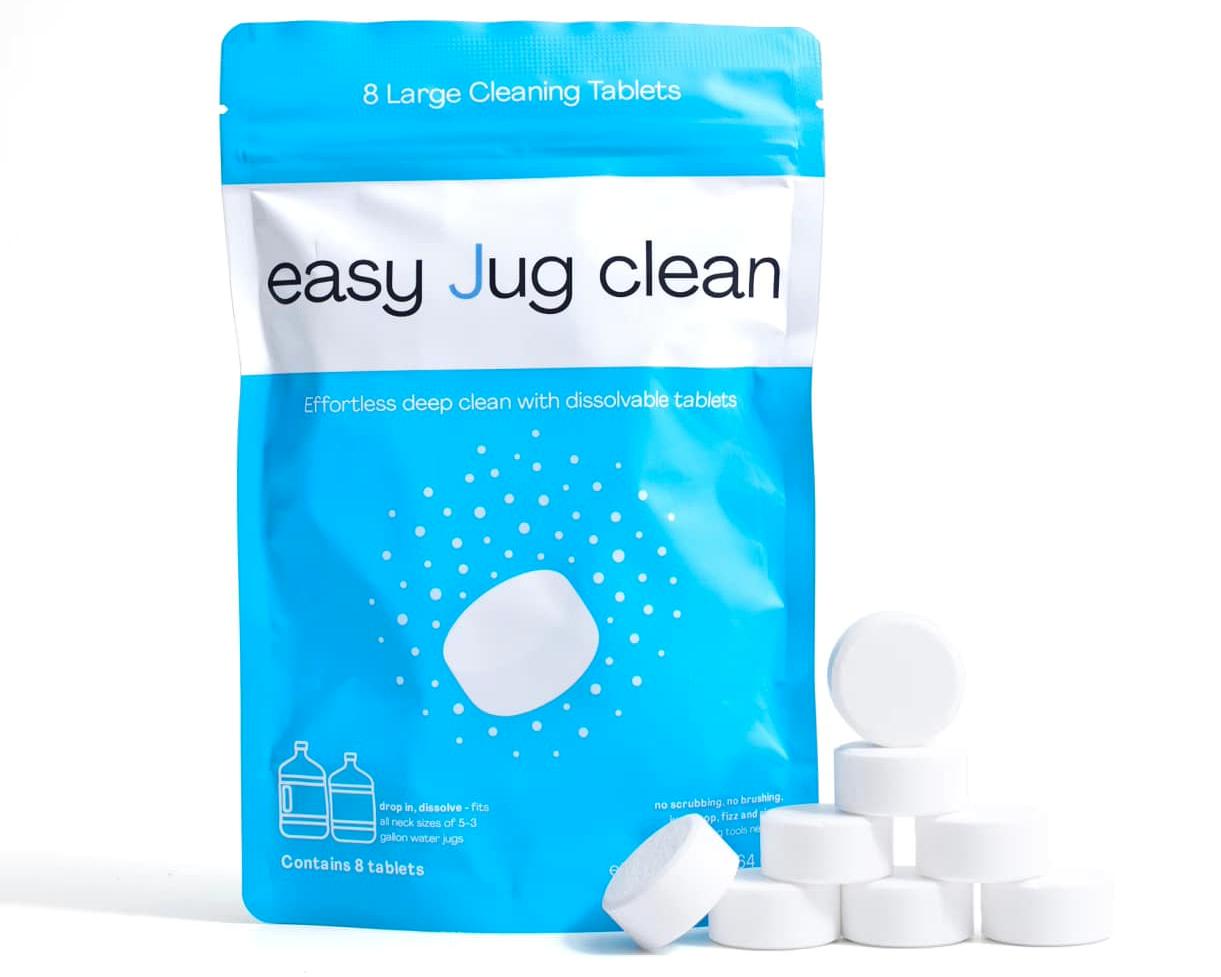
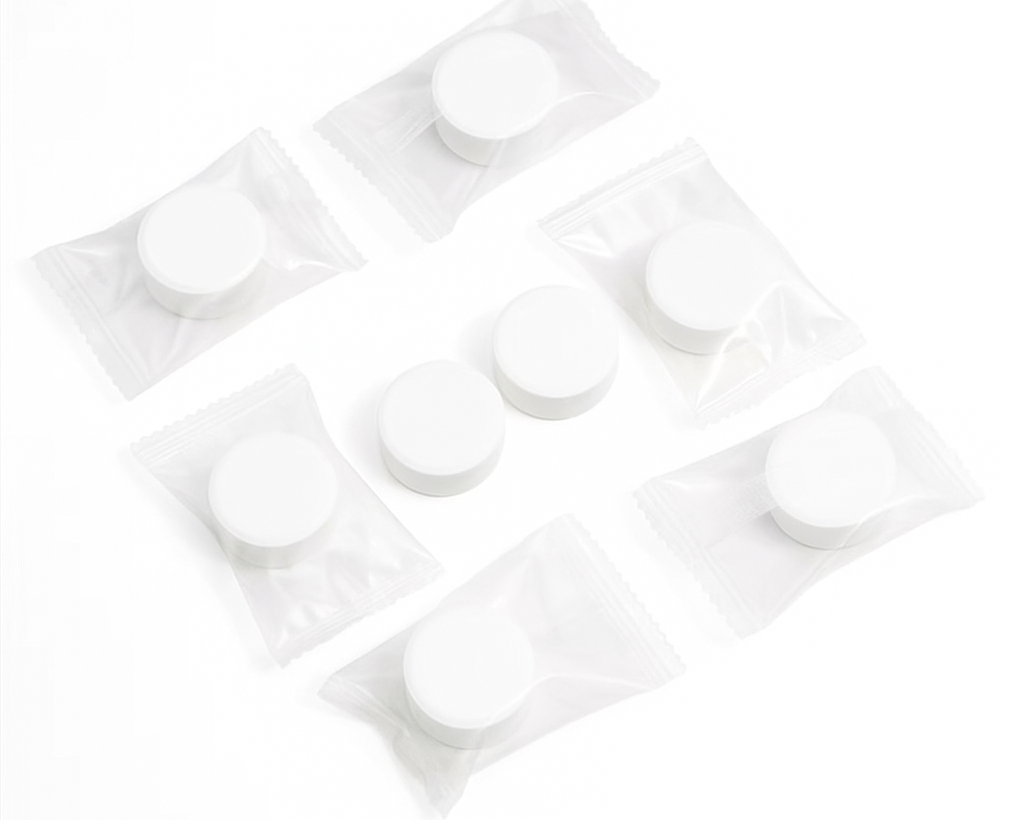
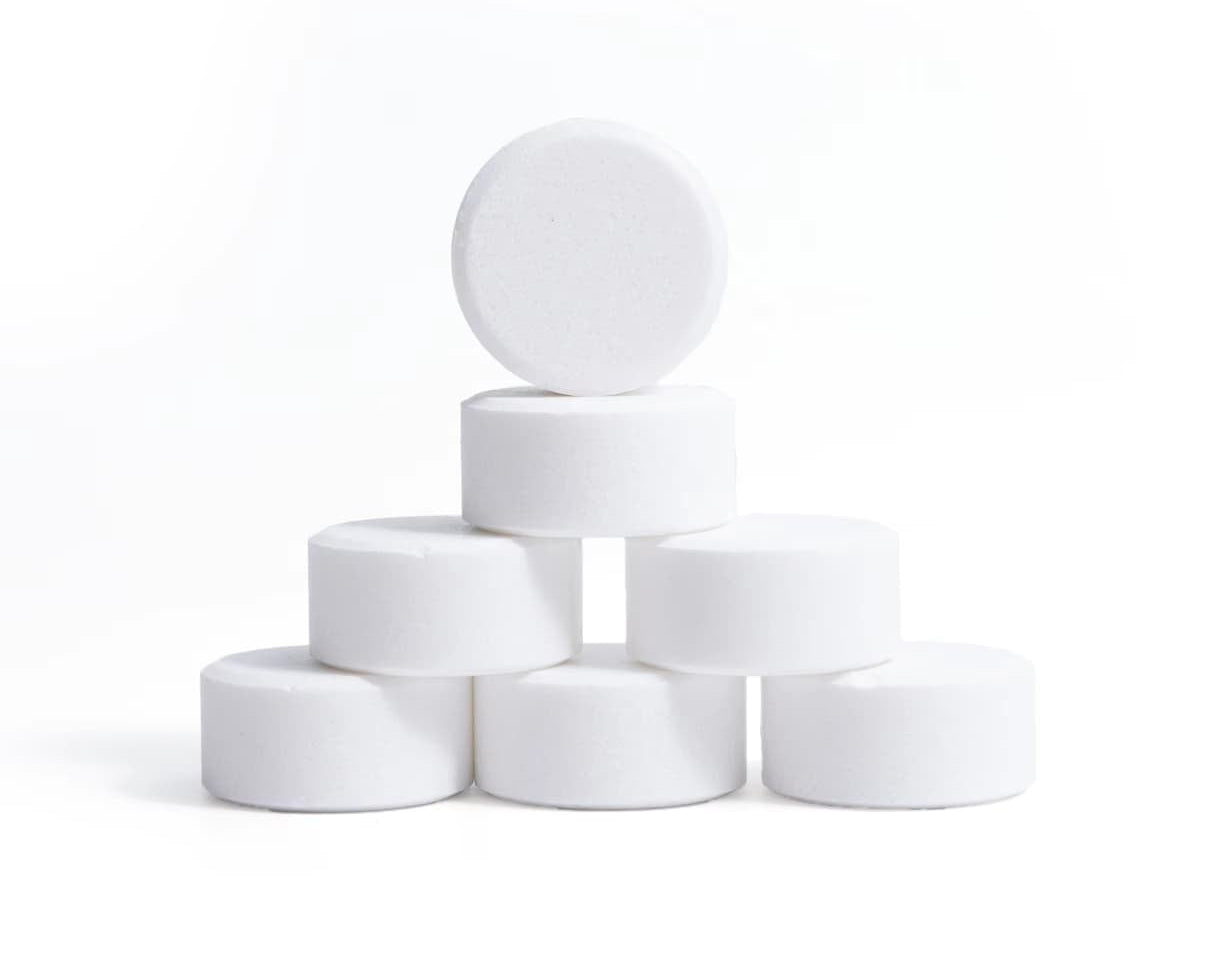
Easy Jug Clean tablets change this equation. Drop 2 tablets into the jug, fill with water, let it fizz for 20 minutes, and the tablet's active oxygen and self-distributing action reaches every surface. No brushing. No guessing whether you've missed spots. No physical strain.
Because Easy Jug Clean makes jug cleaning so effortless, the jug-first protocol becomes genuinely sustainable. You can clean your jug weekly or even twice weekly in summer without dreading the process. This removes the primary contamination source, making dispenser cleaning far more effective when you do it.
At for 8 tablets (about 62 cents per use), the cost is trivial compared to the peace of mind of knowing your water is actually clean.
Reframing "Dispenser Cleaning" as "System Maintenance"
The conversation around "water dispenser cleaning" often focuses solely on the machine. But the system includes the jug. A cleaner way to think about it: you're not cleaning a dispenser in isolation; you're maintaining a jug-and-dispenser system where the jug is the upstream component.
System maintenance means:
- Weekly: Clean the jug (using Easy Jug Clean), then clean dispenser spigots and nozzles.
- Monthly: Deep clean the jug, wipe down the entire dispenser exterior, clean the drip tray thoroughly.
- Quarterly: Clean the jug, then perform a full internal reservoir cleaning on the dispenser if your model allows access.
This schedule prioritizes the jug at every interval because that's where contamination begins.
FAQ
Q: Can't I just buy pre-filled jugs from a trusted bottling company?
A: Bottling companies do provide clean water initially, but biofilm begins forming within 2-4 weeks of the jug being produced. By the time you use it, some colonization has already occurred. After one use cycle, the jug becomes your responsibility to keep clean.
Q: What if I just replace my jug more frequently?
A: Frequent replacement is expensive and wasteful. Even a new jug will colonize if it sits before use. Cleaning is more economical and environmentally responsible than constant replacement.
Q: How do I know if my jug is actually contaminated?
A: You likely can't see or taste it until the biofilm is significant. Water can be heavily contaminated and still appear clear. This is why cleaning on a regular schedule (not on-demand) is critical. Don't wait until you suspect a problem.
Q: Can I use the same cleaning routine for both jug and dispenser?
A: Not entirely. Jugs benefit most from self-distributing methods (tablets, fizzing agents) that coat every interior surface without brushing. Dispensers need targeted cleaning of spigots, nozzles, and accessible reservoir areas. The jug-first protocol ensures each component gets the right treatment.
Related Reading
Clean the source first, then the system.
✅ Jug First, Dispenser Second
Easy Jug Clean makes the jug-first protocol effortless. Two tablets, 20 minutes, and every interior surface is sanitized without brushing or guessing. Your dispenser will stay cleaner longer because it's getting clean water from above.


 Order now — get it by