How Often Should You Clean a Water Dispenser? The Honest Answer
Reading time: ~7 minutes | Cleaning Frequency Water Dispenser Maintenance Schedule
How Often Should You Clean a Water Dispenser? The Honest Answer
The Direct Answer: A Practical Cleaning Schedule
Before we dive into the science, here's what you need to do:
| Component | Cleaning Frequency | Time Required | Method |
|---|---|---|---|
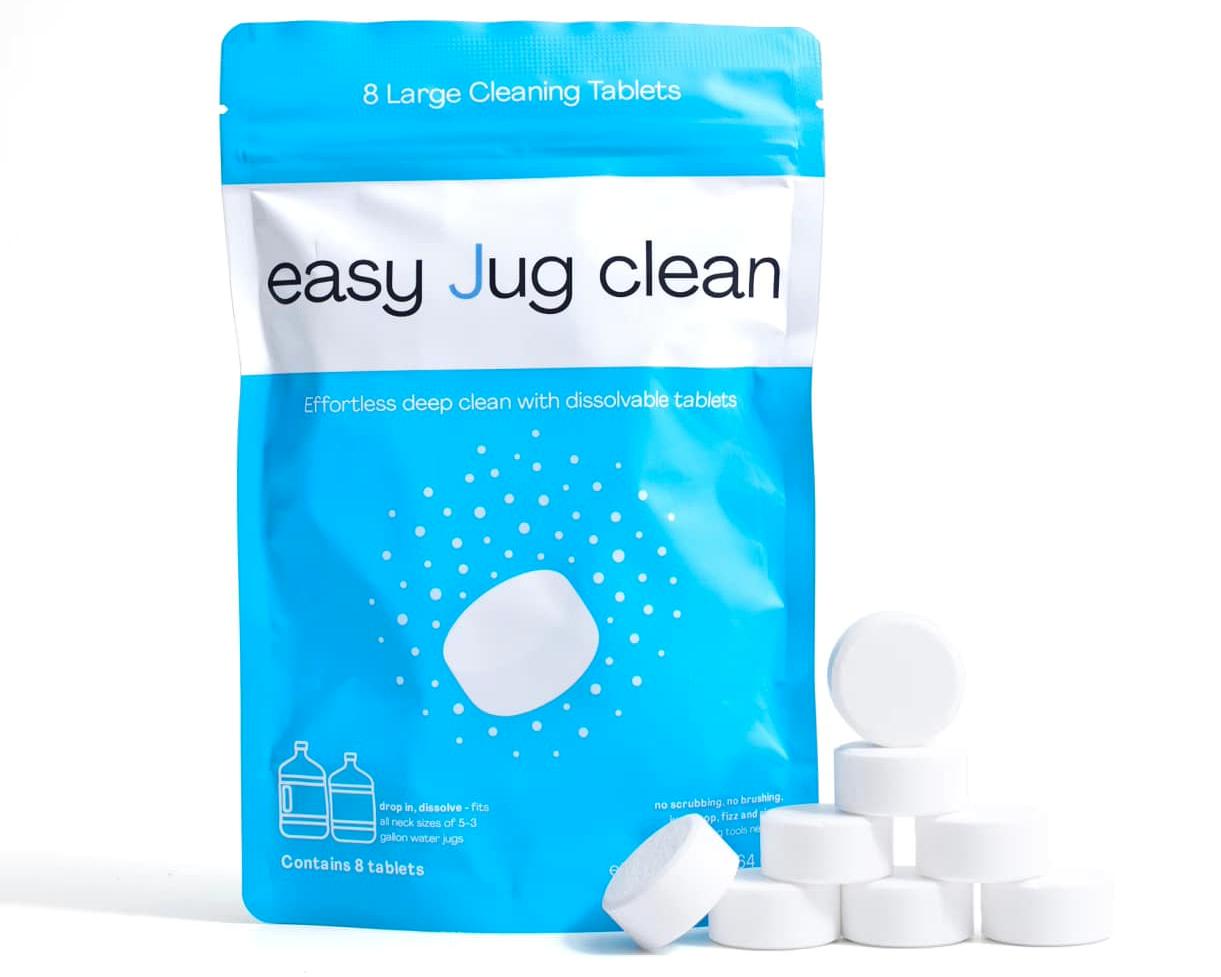
| Water Jug | Every jug change (weekly to biweekly for most households) | 20 minutes | Easy Jug Clean tablets |
| Spigot/Nozzle | Once per week | 2 minutes | Damp cloth wipe-down |
| Drip Tray | Once per week | 3 minutes | Empty and rinse |
| Dispenser Reservoir & Tubing | Once per month | 30-45 minutes | Deep clean cycle |
This schedule prevents the buildup that causes biofilm in water jugs and keeps your dispenser system functioning safely. But why these specific intervals? The answer lies in microbiology.
Why These Intervals Matter: The Science of Biofilm Formation
Biofilm doesn't form slowly and evenly. It forms in explosive phases. Within 24 hours of a jug change, bacteria begin colonizing the inside surface of your jug. By day 3-4, you have a developing biofilm layer that's becoming resistant to casual rinsing. By day 7, the biofilm is mature enough to shed cells into the water you're drinking.
This is why every jug change is a cleaning opportunity, not an optional chore. The longer water sits in a jug, the more contaminated it becomes—not because the jug itself is dirty, but because bacteria and biofilm multiply exponentially once conditions allow it.
The spigot, nozzle, and valve are even more critical. These metal or plastic surfaces come in contact with your lips, water bottles, and cups every single day. The dispenser probe punctures your new jug every time you install it, potentially transferring bacteria from the old cycle. A weekly wipe with a damp cloth removes the visible and invisible buildup that accumulates between jug changes.
The Monthly Deep Clean: Why Your Dispenser System Needs Attention
The jug is only half the story. Water dispensers have internal components—the reservoir, pump tubing, valve system—that you never see but that accumulate contaminants over time.
Hard water deposits, mineral scale, and biofilm inside the dispenser reservoir can compromise water quality even if your jug is spotless. Most people never clean the internal reservoir, which is why monthly deep cleaning is necessary. This involves running a cleaning solution through the entire system and letting it sit to break down deposits and kill microorganisms in places a brush can't reach.
The monthly schedule assumes average use (4-8 people in a household, normal water consumption). If your household is larger or usage is heavier, you may want to deep clean every 2-3 weeks.
Factors That Increase How Often You Need to Clean
Hard Water in Your Area
If you have hard water, mineral scale builds up much faster. Calcium and magnesium deposits accumulate on jug interiors and dispenser surfaces, creating a rough substrate where bacteria colonize more aggressively. Hard water households should increase jug cleaning frequency to every jug change without exception, and consider monthly deep cleaning every 2-3 weeks instead of monthly.
Household Size and Usage
A family of six uses the dispenser far more frequently than a single person. More usage means more contamination opportunities and faster biofilm development. Larger households should stick to weekly jug changes and cleaning, even if jugs sit for longer than a week elsewhere.
Summer Heat and Warm Temperatures
Bacteria multiply exponentially faster in warm water. Temperature dramatically affects bacterial growth rates in water jugs. During summer months or in warm climates, consider increasing jug cleaning frequency to every jug change and deep cleaning to every 2-3 weeks. Warm water at 70°F or higher can allow bacterial populations to double in less than 8 hours.
Pets and Children in the Home
If pets drink from your dispenser or children touch the spigot frequently, contamination risk increases. More frequent spigot wiping (2-3 times per week instead of once) is advisable. Jug cleaning should remain at every change, but you may want to ensure those changes happen on schedule rather than letting jugs sit longer.
Visual Signs of Contamination
If you notice signs your dispenser needs cleaning—slime on the spigot, cloudy water, or off-taste—clean immediately, regardless of schedule. These signs indicate you're already behind on maintenance.
Why Most People Clean Too Infrequently
The disconnect between recommended frequency and actual practice is stark. Most households clean their dispenser 2-4 times annually. But if you're using one new jug per week, that means your water jug cycles through 48-52 times per year, and you're only cleaning it once for every 12-26 jug changes.
The barriers to proper cleaning are real:
- Inconvenience: Hand-scrubbing a 5-gallon jug is physically awkward and time-consuming
- Forgetfulness: Cleaning isn't tied to an obvious trigger (unlike, say, washing dishes daily)
- Messy process: Brushing creates spillage and residue concerns
- Ineffectiveness: Even after hand-cleaning, biofilm remains in spots a brush can't reach
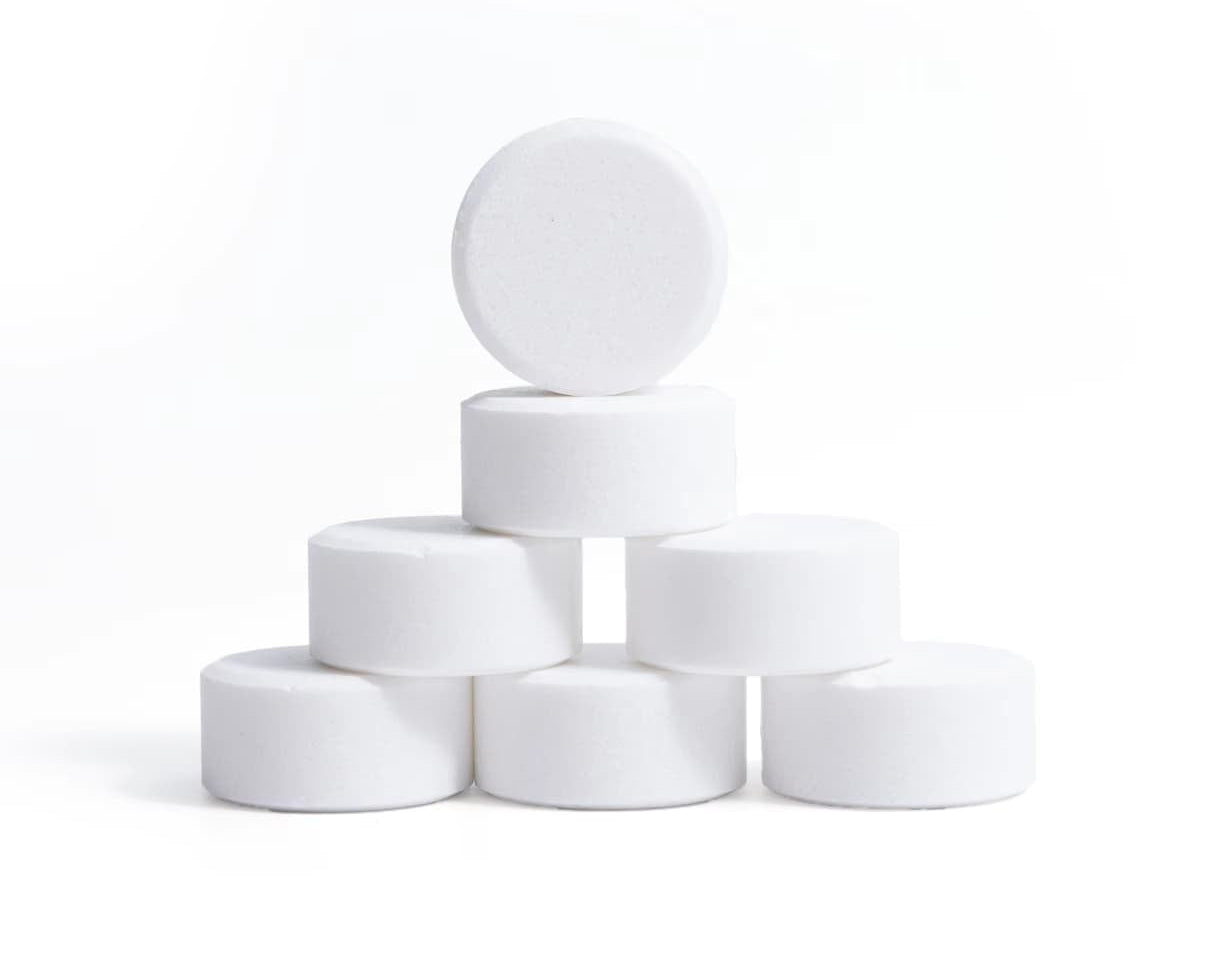
This is why effervescent cleaning tablets outperform brushes. They distribute cleaning power throughout the entire jug through fizzing action, eliminating hard-to-reach biofilm without the mess or effort of manual scrubbing. The result is that people can actually stick to a cleaning schedule.
Building a Routine That Actually Works
The best cleaning schedule is the one you'll actually follow. Here's how to make it stick:
Special Consideration: Bottom-Loading Dispensers
Bottom-loading dispensers have unique factors. The jug sits in a warm, humid cabinet space, and water is pumped upward through tubing. This creates additional contamination opportunities. For bottom-loading dispensers, jug cleaning is even more critical because the pump mechanism introduces new contamination pathways. Stick to the same schedule, but pay extra attention to the cabinet area where the jug sits—wipe it out monthly to prevent mold and bacterial growth in that dark, moist environment.
What Happens If You Don't Follow the Schedule?
It's not like your water will suddenly poison you if you miss a week. But over time, negligence accumulates:
- Biofilm thickens and becomes harder to remove
- Bacterial populations reach levels that compromise water safety
- Taste, smell, and appearance of your water deteriorate
- You become more likely to get sick from contaminated water
A dirty water jug can absolutely make you sick—especially if you, a family member, or houseguest has a compromised immune system. Children, elderly relatives, and pregnant women are at higher risk from pathogenic bacteria that thrive in neglected water containers.
Clean water starts with a clean jug. Every jug change.
✅ Follow the Schedule That Actually Protects Your Water
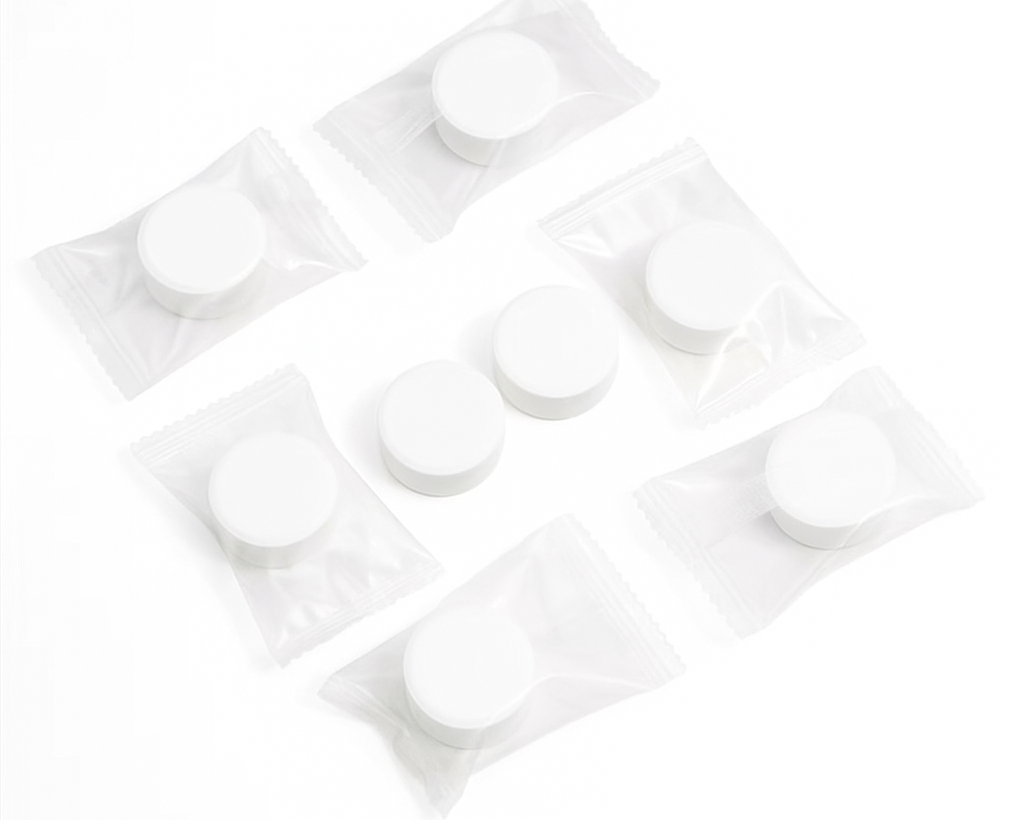
Easy Jug Clean makes the every-jug-change schedule simple. Two tablets, 20 minutes, completely clean jug. No brushing, no guesswork, no missed biofilm spots. At $0.62 per treatment, you're investing in safety, not just cleanliness.
Frequently Asked Questions
Q: Do I really need to clean my jug every time I change it?
Yes. Biofilm starts forming within 24 hours, and by day 7, it's mature enough to contaminate your drinking water. Every jug change is a missed opportunity if you don't clean. The good news: with Easy Jug Clean tablets, this takes 20 minutes and requires zero effort.
Q: What if I use a lot of water—should I clean more frequently?
Yes, heavier usage means your jugs cycle faster, which is actually good—you're replacing contaminated water sooner. But it also means your spigot and dispenser are under more stress. Increase weekly spigot wiping to 2-3 times per week, and consider deep cleaning every 2-3 weeks instead of monthly.
Q: Can I use a brush instead of cleaning tablets?
Brushes are better than nothing, but they're incomplete. Jug brushes can't reach the entire internal surface, and they often spread bacteria around rather than eliminate it. Tablets use fizzing action and chemistry to clean every inch, including spots where biofilm hides.
Q: What should I do if I've been cleaning infrequently and just realized it?
Deep clean your jug immediately with Easy Jug Clean tablets, then wipe your spigot thoroughly. From that point forward, stick to the schedule. You're not behind permanently—one good cleaning resets the clock.


 Order now — get it by