Category: Water Jug Hygiene | Sanitizing 5 Gallon Jug Water Safety
Why Sanitizing a 5 Gallon Jug Is Harder Than It Sounds
A 5 gallon water jug presents a uniquely difficult sanitizing challenge compared to most household items. Three structural factors work against you:
1. The Narrow Neck
The standard 48mm neck opening of a 5 gallon jug means your hand cannot reach the interior. Any sanitizing method that relies on manual application — wiping, scrubbing, or swabbing — is physically blocked before it starts. You need a self-distributing sanitizing agent that fills the space and coats surfaces without human contact.
2. The Deep Interior and Curved Bottom
Even liquid solutions poured through the neck tend to pool at the bottom rather than coating the cylindrical walls uniformly. The physics of a deep narrow container mean that without active agitation or a mechanism that generates coating from within, large sections of the interior surface receive little to no sanitizing contact time.
3. The Biofilm Shield
As mentioned above, mature biofilm is not a loose collection of bacteria — it's a structured, multi-layered community protected by a self-secreted extracellular matrix. Sanitizing agents that work well on open surfaces often fail to penetrate this matrix at sufficient concentration or contact time to achieve true pathogen reduction inside an enclosed container. This is why the choice of sanitizing chemistry matters enormously.
The Most Common Sanitizing Attempts — And Where They Fall Apart
Bleach: The Most Misused Sanitizer in the Home
Hydrogen Peroxide: Closer, But Still Falling Short
Boiling Water: The Method That Sounds Scientific But Isn't Practical
Vinegar: A Deodorizer Pretending to Be a Sanitizer
✅ The Effortless Sanitizing Solution Built for 5 Gallon Jugs
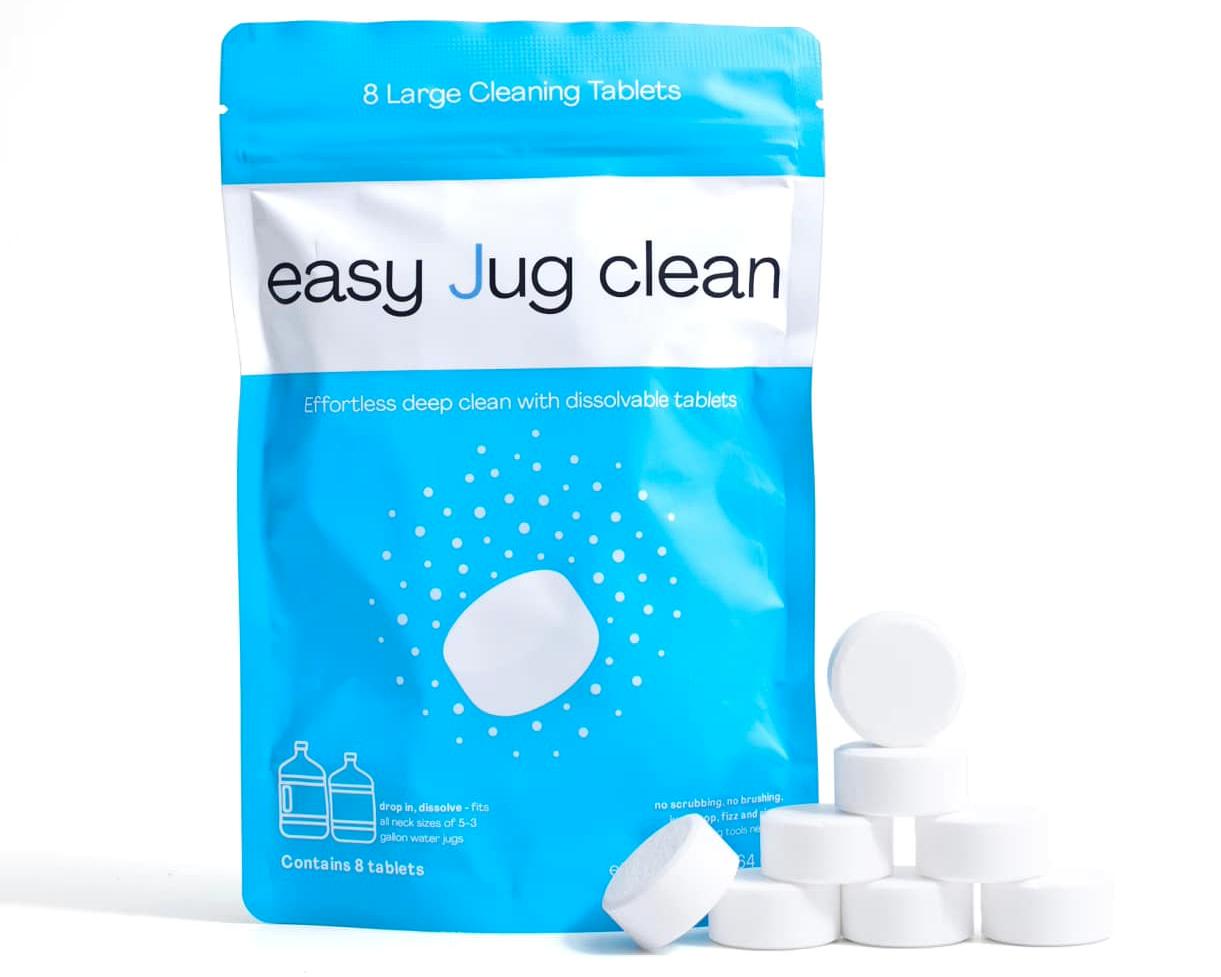
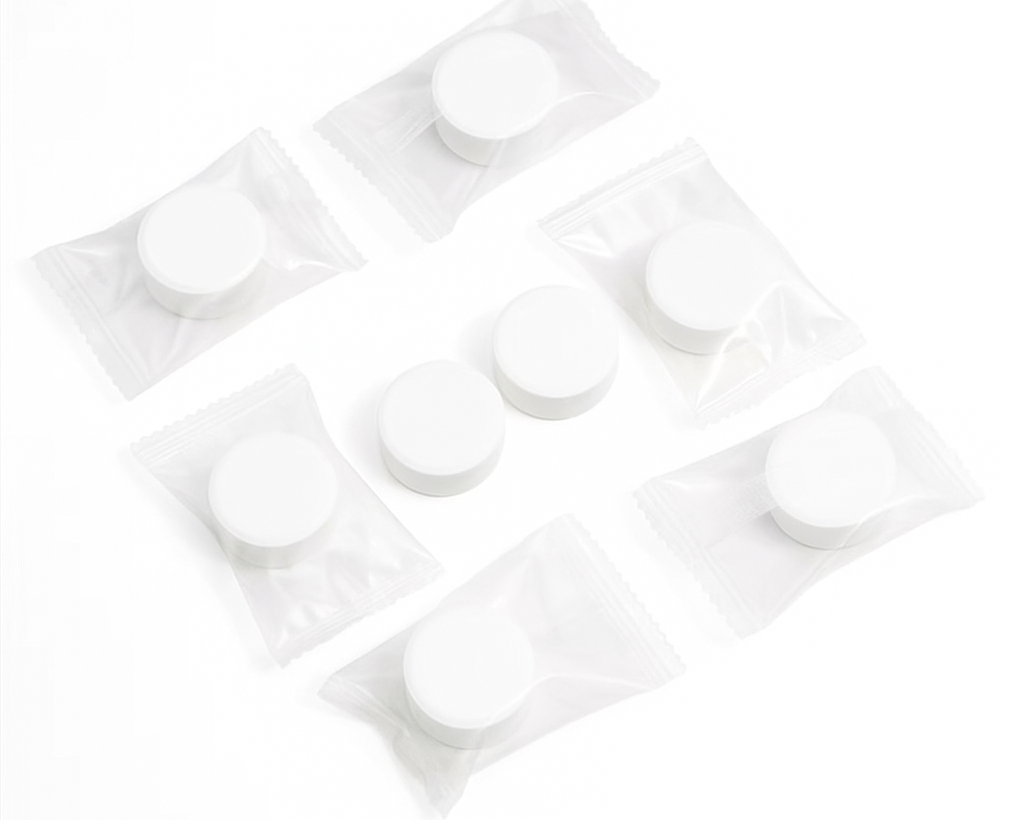
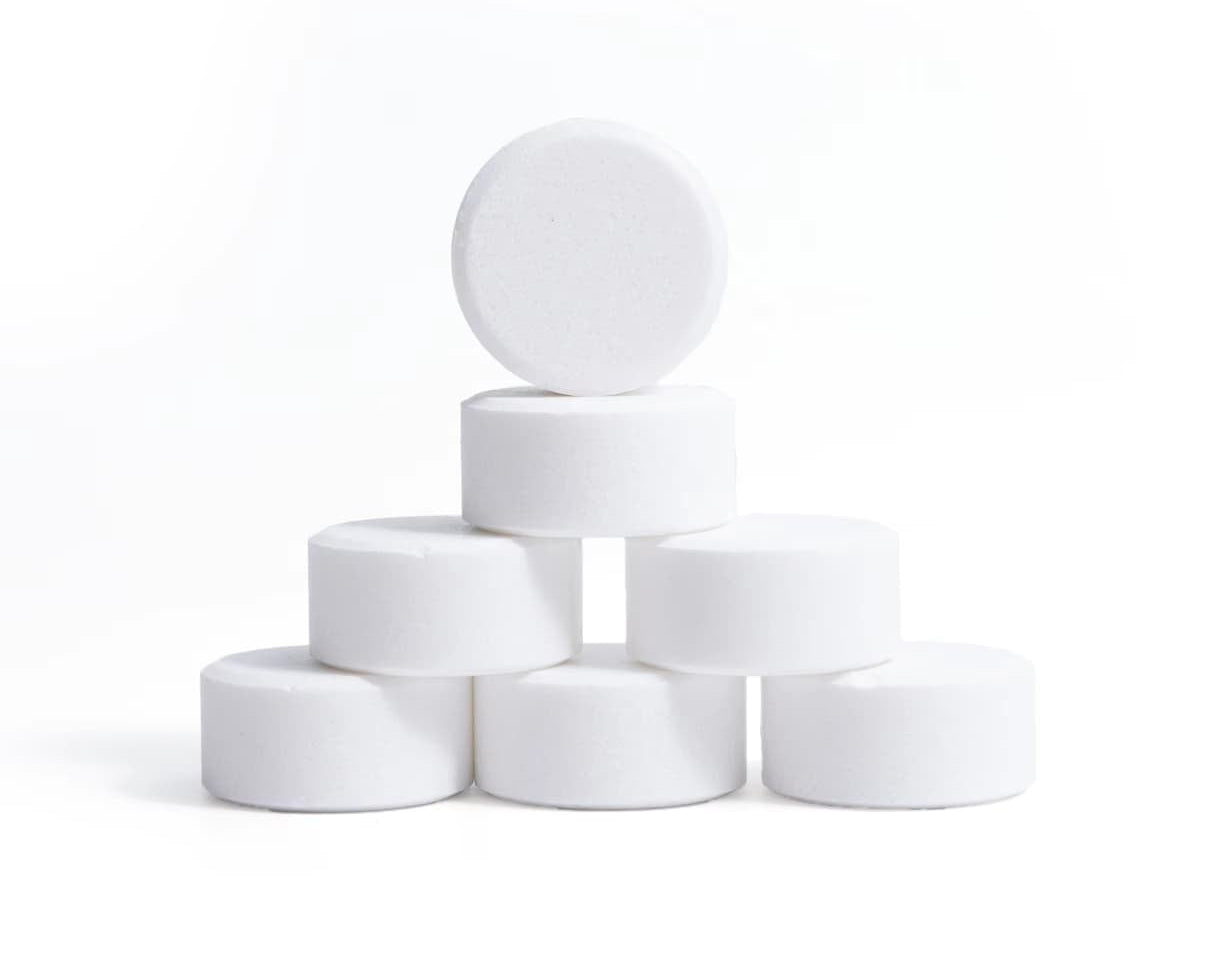
Easy Jug Clean tablets combine active oxygen release, effervescent surface coverage, and food-grade sanitizing chemistry into a single drop-in tablet. True sanitization in 20 minutes — no gloves, no measuring, no guesswork.
See Easy Jug Clean's active oxygen formula sanitize a 5 gallon water jug in 20 minutes:
What True Jug Sanitization Requires — And How Easy Jug Clean Delivers It
Proper sanitization of a 5 gallon water jug requires four things to happen simultaneously:
- An active sanitizing agent — chemistry capable of killing bacteria and disrupting biofilm at concentration
- Complete surface contact — every square centimeter of the interior must be reached
- Sufficient contact time — the sanitizing agent must remain active long enough to achieve pathogen reduction
- Safe residue profile — what's left behind after rinsing must be safe for a drinking water container
Laboratory validation confirms Easy Jug Clean consistently achieves a minimum 3-log reduction (99.9%), lowering bacterial loads from typical pre-treatment levels of >1,000,000 CFU/mL (common in neglected jugs) down to <1,000 CFU/mL — and frequently below detectable limits (<10 CFU/mL) — within the 20-minute contact window.
This meets or exceeds EPA sanitizer performance criteria for food-contact surfaces and leaves the jug safer than most municipal tap water standards for heterotrophic plate count.
Easy Jug Clean is the only consumer product engineered to meet all four of these requirements for a 5 gallon water jug simultaneously:
- Active oxygen release — each tablet releases oxygen molecules that penetrate and break down biofilm matrix, disrupt bacterial cell membranes, and oxidize the compounds that cause odor. This is the same chemistry used in food-grade sanitizing applications in the food and beverage industry.
- Controlled effervescence for full surface coverage — the fizzing action generates thousands of microbubbles that rise through the solution, pressing the sanitizing agent into contact with every interior surface — the bottom, the curved walls, the narrow shoulder near the neck — without any brushing or swirling required.
- 20–30 minute sustained release — unlike a quick rinse, the tablet maintains active chemistry throughout the full soak period, ensuring the contact time required for true pathogen reduction is met.
- Plant-based, food-grade ingredients — after rinsing, the residue profile is safe for a drinking water container. No chlorine. No acid taste. No plastic degradation over time.
How to Sanitize Your 5 Gallon Water Jug with Easy Jug Clean: Full Protocol
Follow this protocol weekly for ongoing jug safety , or immediately any time you notice odor, cloudiness, or after a gap in your cleaning schedule.
What the Solution Looks Like at Each Stage (by Jug Condition)
The color and clarity of the soak water are reliable visual indicators of how much biofilm and mineral scale the tablet is lifting.
- Regularly maintained jug (sanitized within the 4 weeks): Solution stays mostly clear to very lightly hazy. Gentle, steady fizzing with minimal color change — often just a faint milky tint from oxygen release. Walls appear clean when drained.
- Moderately neglected jug (12 weeks since last sanitizing): By 8–12 minutes a light straw or pale grey tint develops. Solution becomes noticeably cloudier as surfactants lift early biofilm and loose mineral deposits. You’ll see more active bubbling and small particles suspended.
- Heavily neglected or first-time jug (never sanitized): Expect dramatic progression. Around the 12-minute mark the solution typically turns the color of weak dirty soapy residue water, often with visible dark particles and stringy biofilm fragments lifting from the walls and bottom. By 20–30 minutes the color may deepen further before you drain. This is exactly what effective biofilm disruption looks like.
Real-world confirmation: On a jug I’d ignored for years, the solution turned the color of weak grey smudgy water at the 12-minute mark — that’s biofilm lifting.

Sanitizing Frequency: How Often Is Often Enough?
The answer depends on your usage and environment, but here are the evidence-informed guidelines:
| Situation | Minimum Frequency | Recommended Frequency |
|---|---|---|
| Standard household use (2–4 people) | Every 7 days | Every 5–7 days |
| Household with infants or elderly | Every 5 days | Every 3–5 days |
| Office or multi-user dispenser | Every 5 days | Every 3 days |
| Warm climate or room above 75°F (24°C) | Every 5 days | Every 3–5 days |
| After illness in household | Immediately | Immediately, then resume schedule |
| After jug sat empty and damp for 48+ hours | Before next use | Before next use |
One pack of Easy Jug Clean (8 tablets) is calibrated for exactly one month of weekly sanitizing for a single jug. It's one of the only jug sanitizing products designed with this use frequency in mind — no guessing how many tablets to use or how often to reorder.
Signs Your Jug Needs Immediate Sanitizing — Not Just Cleaning
Sometimes your weekly schedule needs to be bumped forward. Sanitize your jug immediately if you notice any of the following:
- A slippery or slimy inner surface when you swirl water — this is mature biofilm and requires active chemical disruption, not just rinsing
- Dark green, black, or pink discoloration — mold, black mold, or Serratia marcescens bacteria, all of which require immediate sanitizing action
- A musty, earthy, or "wet towel" smell that persists after rinsing — odor-producing bacteria are present and multiplying
- Water that tastes flat, stale, or slightly off even when freshly filled — taste changes often precede visible contamination
- Anyone in the household has experienced unexplained nausea or gastrointestinal symptoms — while correlation isn't causation, a contaminated water jug is a real potential source
"If you see the solution turn the color of weak dirty soapy residue water, often with visible dark particles and stringy biofilm fragments lifting from the walls and bottom, you’re watching years of biofilm finally surrender — exactly what happened on a jug I’d ignored for years"
Sanitizing Glass vs. Plastic 5 Gallon Jugs: Is There a Difference?
Glass 5 gallon water jugs are becoming increasingly popular — they don't absorb odors, they don't leach chemicals, and they don't develop the micro-scratches that make plastic surfaces progressively harder to sanitize. But glass still develops biofilm and mineral scale just as readily as plastic. The sanitizing chemistry required is identical.
Easy Jug Clean works equally well in both glass and plastic jugs of 3–5 gallon capacity. For glass, there is one additional benefit: the non-abrasive formula means there is zero risk of etching or clouding the glass surface — a real concern with acidic or abrasive DIY methods. For plastic, the oxygen-based formula cleans without the surface degradation that bleach and other harsh chemicals cause over time.
The Sanitizing Mistake Most People Don't Realize They're Making
Beyond choosing the wrong chemical, there is one procedural mistake that undermines even the best sanitizing attempt: sanitizing a jug that hasn't been properly prepared first.
Visible organic residue — old water deposits, slime, food particles from shared-use containers — acts as a shield for bacteria , preventing sanitizing agents from making direct contact with the contaminated surface. In professional food safety settings, this is why "clean, then sanitize" is a non-negotiable two-step protocol.
With Easy Jug Clean, this concern is largely eliminated — the tablet's plant-based surfactants perform the cleaning action first, lifting residue and breaking down organic matter, while the active oxygen then sanitizes the exposed surface. It's a genuinely integrated clean-and-sanitize action in a single treatment, which is exactly why it outperforms any approach where you're trying to sanitize over a surface that hasn't been properly cleaned.
Sanitizing the Full System: Don't Stop at the Jug
A freshly sanitized jug placed on a contaminated dispenser is re-contaminated almost immediately. True water safety means treating the full system:
- The dispenser spigots and nozzles — these are touched dozens of times per day and are prime contamination points
- The drip tray — standing water here becomes a bacterial reservoir that can splash back onto the nozzle
- The interior reservoir of the dispenser unit — this is often overlooked entirely, yet it holds water in contact with heating and cooling elements that can harbor scale and biofilm
- The jug cap and neck seal — these contact the dispenser neck directly and should be wiped with a food-safe sanitizing wipe at every change
Building a whole-system sanitizing routine around Easy Jug Clean's weekly tablet treatment ensures that you're not creating a clean jug only to re-contaminate it through a neglected dispenser.
Frequently Asked Questions About Sanitizing 5 Gallon Water Jugs
Q: What's the difference between cleaning and sanitizing a water jug?
Cleaning removes visible dirt and residue. Sanitizing uses chemistry to kill or deactivate 99.9% or more of pathogens — including bacteria in biofilm that cleaning alone cannot remove. You need both, and Easy Jug Clean does both in a single treatment.
Q: Is it safe to sanitize a water jug with bleach at home?
Technically possible, but highly impractical and risky. Getting the dilution ratio right, achieving adequate contact time, and fully rinsing a deep 5 gallon container are difficult without professional equipment. Bleach also degrades plastic over repeated use. Easy Jug Clean is specifically designed to be the safe, mess-free alternative.
Q: How do I know if my jug is actually sanitized after using Easy Jug Clean?
After completing the protocol — 2 tablets, warm water, 20–30 minute soak, thorough rinse — your jug should be visually clear, completely odor-free, and smooth to the touch (no slippery biofilm coating). The food-grade formula is engineered to achieve full sanitization under these conditions for a standard 3–5 gallon jug.
Q: Can I sanitize my jug more than once a week?
Yes, and in high-risk situations — illness in the household, warm climates, heavy multi-user use — sanitizing every 3–5 days is recommended. Each pack of Easy Jug Clean contains 8 tablets, giving you flexibility to increase frequency if needed.
Q: Does Easy Jug Clean sanitize the jug cap and neck too?
The tablet solution treats the interior of the jug effectively. For the cap, neck seal, and exterior contact points, wipe separately with a food-safe sanitizing wipe before reassembly. This closes the loop on the full jug sanitization protocol.
Q: What if my jug has never been sanitized — will the tablet still work?
Yes. For a first-time or heavily neglected jug, use the full 30-minute soak and give the jug a gentle swirl midway through. You may notice the solution turns visibly cloudy or colored from the buildup it's lifting — that's the active oxygen working. A second treatment the following day will address anything remaining from years of buildup.
The Bottom Line: Sanitizing Your 5 Gallon Jug Doesn't Have to Be Hard
For years, properly sanitizing a 5 gallon water jug meant navigating a minefield of DIY methods — bleach ratios to measure, vinegar myths to fall for, brushes that couldn't reach, boiling water that couldn't be used safely. The barrier wasn't knowledge. It was the absence of a tool that actually matched the job.
Easy Jug Clean eliminates that barrier entirely. Drop two tablets into warm water. Walk away. Rinse. That's what genuine sanitization looks like when it's been engineered properly — not a compromise, not a workaround, not a "good enough." A 20-minute treatment that every food scientist and water safety professional would recognize as sound chemistry, packaged into the simplest possible format.
Your family's drinking water deserves that standard. And now getting there takes less than a minute of your actual time.


 Order now — get it by